What Is the Best Hard Water System in 2026?

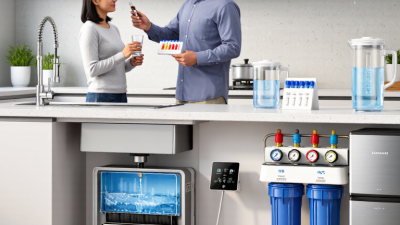
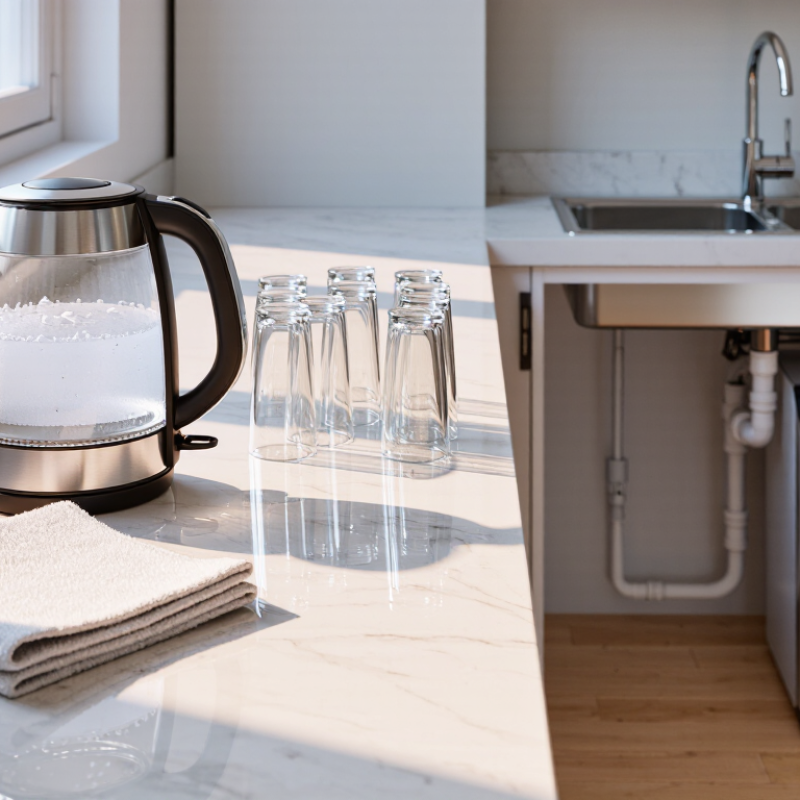
A hard water system should solve a measured problem, not just promise softer laundry. In 2026, the best choice depends on your water’s hardness, household size, plumbing, and tolerance for maintenance. White scale on a kettle, stiff towels, and spots on glassware are useful clues. They are not a water test. Hardness varies by location, and a system that works well in one home may be wasteful or poorly matched in another.

Dr. Joseph G. Cotruvo, an environmental health scientist with expertise in water quality, is a useful voice on evidence-led treatment. A practical paraphrase of that approach is: “Test the water first; choose treatment for the minerals you actually find.” That distinction matters. A conventional ion-exchange softener can reduce calcium and magnesium, while a salt-free conditioner may limit scale without removing those minerals. The labels can sound similar. The results are not.

This guide compares system types, capacity, operating costs, upkeep, and installation needs. It also considers what manufacturers’ claims leave out, including salt use, wastewater, and filter replacement schedules. A test kit is a start; certified laboratory testing can provide clearer results when decisions matter. No single system is best for every home. That is less tidy than a universal winner, but more useful. We will weigh the trade-offs, while noting where product data or independent evidence is limited.
What Is the Best Hard Water System in 2026?

Understanding Hard Water and Its Effects

Hard water contains dissolved minerals, mainly calcium and magnesium. The U.S. Geological Survey classifies water with 121–180 milligrams per liter of calcium carbonate as hard; above 180 is very hard. These figures describe mineral concentration, not whether water is safe to drink. A lab test is more reliable than judging by taste or appearance.

The signs often show up at home. A white crust forms around a kettle’s heating element, soap lathers less, and glassware dries with cloudy spots. Scale can also accumulate inside water heaters and pipes, reducing heat-transfer efficiency over time. The U.S. Department of Energy notes that scale buildup can affect water-heater performance. Still, one chalky faucet does not tell you the hardness level throughout your home. The clues are ordinary.

Hardness varies by location and even by water source, so a regional map is only a starting point. The USGS classification offers a useful reference, but a test of your tap water gives a clearer picture. WHO’s 2022 drinking-water guidelines discuss calcium and magnesium as minerals in drinking water, while noting that concentrations vary. The numbers help, but they can feel less decisive than they are: hardness is one water-quality measure, not a complete account of taste, plumbing condition, or health.
How Hard Water Treatment Systems Work

A hard-water system works by targeting dissolved minerals, mainly calcium and magnesium. These minerals leave white crust on a kettle, stiffen towels, and can reduce soap lather. The USGS classifies water above 120 milligrams per liter as calcium carbonate as hard, and above 180 as very hard. Test results matter. A professional water analysis can reveal hardness alongside iron, manganese, and other minerals that affect system choice.

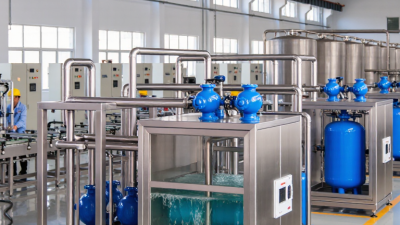
Most whole-house softeners use ion exchange: resin beads capture calcium and magnesium and release sodium or potassium. During regeneration, the unit flushes the beads with brine and sends mineral-rich wastewater to a drain. NSF/ANSI 44 defines performance and material requirements for residential cation-exchange softeners. A certified system is a useful starting point, not a guarantee of a perfect fit. Some salt-free conditioners may limit scale, but they generally do not remove hardness minerals. That distinction is easy to miss. For 2026, the best choice depends on measured hardness, household water use, and maintenance capacity. I would still check the installer’s settings after a few weeks; real water use rarely matches a brochure’s assumptions.

What Is the Best Hard Water System in 2026? — How Hard Water Treatment Systems Work

System type How it works Does it remove hardness minerals? Typical strengths Main trade-offs Best suited for
Ion-exchange water softener Resin beads exchange calcium and magnesium ions for sodium or potassium ions. A brine solution periodically regenerates the resin. Yes. It reduces calcium and magnesium in treated water. Effective, measurable hardness reduction throughout the plumbing system; can help limit scale and soap scum. Needs salt or potassium, periodic regeneration, and a drain connection. Regeneration uses water; sodium may increase in softened water. Homes seeking whole-house hardness removal, especially where hardness is high.
Salt-free scale conditioner Some systems use template-assisted crystallization or similar media to encourage dissolved hardness minerals to form crystals that are less likely to adhere to surfaces. No. It generally conditions minerals rather than removing them, so a hardness test may still show hard water. Can reduce scale accumulation under suitable water conditions without salt-based regeneration. Does not provide the same hardness removal as an ion-exchange softener; performance depends on water chemistry and system design. People who mainly want scale control and do not need softened water.
Reverse-osmosis filter Water passes through a semipermeable membrane that reduces many dissolved substances, including calcium and magnesium. Yes, for the water treated by the unit. Can substantially reduce dissolved minerals at a dedicated drinking-water tap. Most household units treat water at one or a few points of use, not the entire home. They require filter changes and produce reject water. Drinking and cooking water when mineral reduction is the priority.
Distillation unit Water is heated into vapor and then condensed; many nonvolatile minerals are left behind. Yes, for the water distilled. Produces low-mineral water for drinking or specific household uses. Typically slow and energy-intensive compared with many point-of-use filters; usually not practical for whole-house treatment. Small-volume needs where very low mineral content is desired.
Sediment or carbon filter Sediment filters trap particles; activated carbon can reduce certain tastes, odors, and chemicals through adsorption. Usually no. Standard sediment and carbon filters do not soften water. Useful for specific particle, taste, or odor concerns when matched to the contaminant. Does not prevent hardness scale by itself; the filter must be selected and maintained for its intended purpose. Water with a known sediment, taste, or odor issue—not hardness treatment alone.

How to choose: Test the water first. Hardness is commonly reported as milligrams per liter (mg/L) or grains per gallon (gpg) as calcium carbonate; 1 gpg is approximately 17.1 mg/L. For whole-house hardness removal, an appropriately sized ion-exchange softener is typically the direct option. For scale control without removing minerals, consider a conditioner; for drinking water, consider a point-of-use treatment suited to the water test. Verify system performance and certification claims against the applicable standard and the specific contaminants or treatment function.

Types of Hard Water Systems Available in 2026

Hard water systems do different jobs, so “best” depends on your water test and household needs. A conventional ion-exchange softener removes calcium and magnesium, replacing them with sodium or potassium. It can reduce spots on glasses and scale inside a water heater. It also needs periodic salt, cleaning, and regeneration. Check your water’s hardness, iron level, and household flow before choosing a unit.

Salt-free conditioners are another option. Many use mineral media to change how scale forms, but they generally do not remove hardness minerals. That distinction matters. They may suit households seeking less scale buildup without softened water, though results vary with water chemistry. Reverse-osmosis systems treat drinking water at a dedicated faucet, rather than the whole home. They can reduce dissolved minerals, but filters need replacement and some systems send water to drain.

Electronic or magnetic devices are also sold as scale-control options, but evidence for their performance can be inconsistent. I would verify any claims against independent testing. For a practical comparison, test a cold-water sample and note existing problems: chalky shower doors, stiff laundry, or recurring kettle deposits. Then compare installation space, upkeep, water use, and service access. A system that looks simple on paper may be awkward to maintain.

What Is the Best Hard Water System in 2026? Types of Hard Water Systems

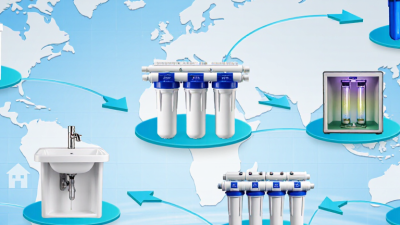
Ion-exchange softeners remove calcium and magnesium and are commonly used for whole-home softening. Reverse osmosis and distillation remove hardness minerals at the point of use. Salt-free conditioners can help reduce scale but do not remove hardness minerals.

Key Factors for Comparing System Performance and Cost

A useful comparison starts with a water test, not a product label. Record hardness, iron levels, and daily water use; a small test kit can reveal whether the problem is mild scale or stubborn mineral buildup. For ion-exchange softeners, compare grain capacity and peak flow rate. An undersized unit may struggle when showers and laundry run together. A demand-initiated model can regenerate based on actual use, while a timer-based model may regenerate unnecessarily. Salt-free conditioners work differently: they may reduce scale formation, but they do not remove calcium and magnesium from water. That distinction matters.

Look beyond the purchase price. Estimate installation, salt, water used during regeneration, filter changes, and routine service over several years. Check whether the home has a suitable drain and enough space near the plumbing; those details can change installation costs. Ask for operating figures in writing, then compare them with your household’s likely use. That sounds simple. It isn’t always. A tidy cost spreadsheet can still miss changing water use or maintenance needs. I would also verify what the stated performance measures, since “treats hard water” can mean different things. A lower upfront cost may be reasonable, but only if capacity, flow, and ongoing expenses fit the home.

How to Choose a System for Your Home

Choosing a hard water system starts with measuring the water, not guessing from cloudy glasses. A home test can estimate hardness in grains per gallon or milligrams per liter. For a clearer picture, consider a certified laboratory test, especially if your water comes from a private well. A test strip is a useful clue, not the whole picture. Check for iron or sediment too, since these can affect equipment choice.

Match the system to your household’s water use and plumbing. Ion-exchange softeners remove much of the calcium and magnesium that cause scale, but they need salt and periodic maintenance. Salt-free conditioners may reduce scale buildup, yet they do not remove hardness minerals. That difference matters if you want softer-feeling water or fewer spots on dishes. A household of five with several bathrooms may need more capacity and flow than a small apartment. Peak demand counts.

Look at installation space, drainage access, and ongoing costs before choosing. Measure the utility area; a tank that fits on paper may block a water heater’s service panel. Ask an installer how the proposed capacity was calculated, and whether the system has independent performance certification. I would not rely on the cheapest quote alone. Still, exact sizing is not always neat: water use changes, and test results can vary. Check your readings and maintenance needs again after installation.

Skip to content