What is System Water and How Does it Impact Your Business?
In the world of industrial operations, the term "system water" holds significant importance. Experts like Dr. Emily Carter, a renowned authority in water management, emphasize that "system water is the lifeblood of efficient manufacturing." Without understanding its nuances, businesses may struggle with efficiency and sustainability.
System water influences production processes, equipment maintenance, and even safety standards. Proper management can reduce costs and enhance productivity. However, many companies overlook its critical role, leading to inefficiencies. For instance, an improper water quality can corrode pipes, damaging machinery and costing thousands in repairs.
Investing in system water management requires thoughtful consideration. Organizations need to analyze their water sources, treatment methods, and usage patterns. It's also vital to train staff on water management best practices. These steps are often neglected, yet they can determine a company's operational success in the long run. Effective system water strategies promote sustainability and profitability, proving essential for future growth.
What is System Water and Its Definition in Industrial Context
System water refers to the water used in industrial processes. It is vital for cooling, heating, and conveying materials. Understanding how system water functions can significantly influence operational efficiency and cost management.
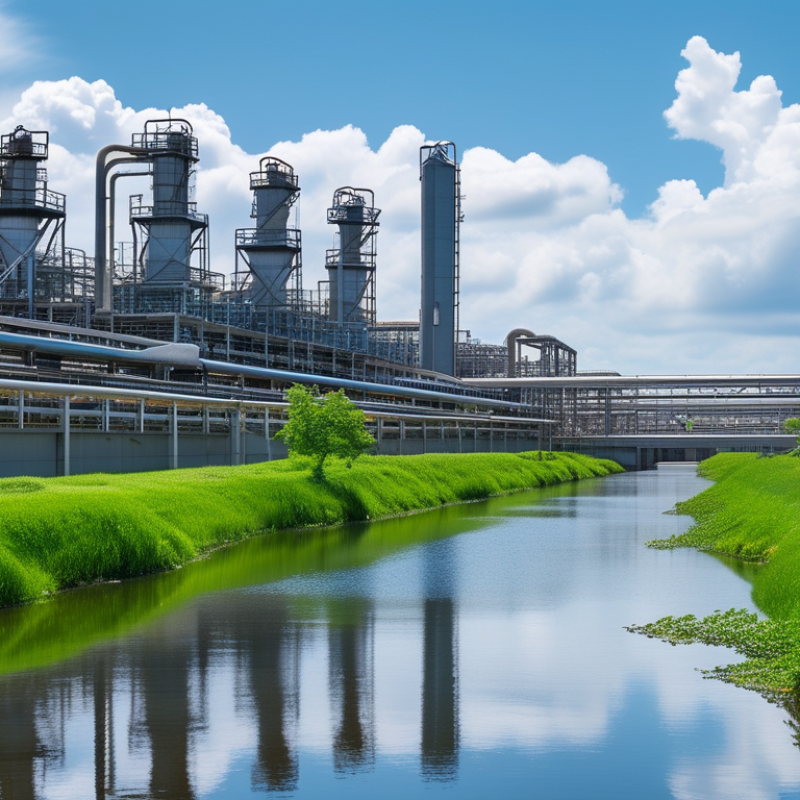
In an industrial setting, system water often circulates within cooling towers or boilers. Proper maintenance of this water is crucial. If impurities build up, they can affect equipment performance. Corrosion and scaling can lead to unexpected downtime. Facilities may face costly repairs. Regular testing and treatment help mitigate these issues, yet many overlook this aspect.
Interestingly, the reliance on system water can also raise sustainability concerns. Some companies may not consider the environmental impact of excessive water use. It poses a challenge for businesses striving to be eco-friendly. Balancing operational needs with responsible water management remains a complex issue. Many organizations must reflect on their practices and make necessary adjustments to improve their water systems.
The Importance of System Water in Manufacturing Processes
System water is essential in manufacturing processes, impacting efficiency and product quality. It acts as a cooling agent, solvent, and transport medium in various industries. Insufficient or poor-quality system water can lead to equipment malfunction, increased maintenance costs, and reduced production efficiency. According to a recent industry report, nearly 30% of manufacturing downtime directly correlates with water quality issues.
Managing system water effectively can save costs and improve production. Regular water quality testing is vital. This helps identify contaminants early. Implementing water recycling systems can reduce waste and save resources. A survey conducted by the Water and Wastewater Equipment Manufacturers Association found that companies that invested in water management technologies reported a 15% decrease in operational costs.
Businesses should consider using advanced filtration systems. These can significantly improve water quality. Educating staff on the importance of system water is also crucial. Training programs can enhance awareness and lead to better maintenance practices. Reflecting on water usage and its impact can foster a culture of sustainability and efficiency within the organization.
How System Water Quality Affects Business Operations
System water plays a crucial role in various business operations. Its quality directly affects equipment performance, employee health, and overall efficiency. Contaminated water can lead to equipment failure, resulting in expensive repairs or downtime. For instance, mineral buildup in pipes can restrict water flow and damage heating and cooling systems. Businesses need to monitor this aspect to ensure smooth operations.
Monitoring the quality of system water is essential. Poor water quality can negatively impact production processes. For example, in manufacturing, any impurities can compromise product consistency. Additionally, employees relying on quality water for hydration may experience health issues, leading to reduced productivity. Regular testing and maintenance of water systems are vital to prevent such problems.
However, achieving optimal water quality is not always simple. Many businesses struggle with fluctuating water supply or inadequate filtration systems. Addressing these issues requires investment and a commitment to sustainability. Understanding the relationship between water quality and business operations helps in making informed decisions. Leveraging proper water management practices can substantially enhance operational reliability.
What is System Water and How Does it Impact Your Business? - How System Water Quality Affects Business Operations
| Aspect |
Effect on Business |
Examples |
| pH Level |
Can affect corrosion rates in piping systems, leading to increased maintenance costs. |
In manufacturing, improper pH can damage equipment, leading to downtime. |
| Total Dissolved Solids (TDS) |
High TDS can reduce water quality, affecting products and processes. |
In food processing, high TDS can alter flavor profiles of products. |
| Hardness |
Can cause scaling in boilers and cooling towers, reducing efficiency. |
In HVAC systems, untreated hard water leads to increased energy costs. |
| Chlorine Levels |
Excess chlorine can lead to taste and odor issues, impacting product quality. |
In beverage manufacturing, high chlorine levels can spoil the final product. |
| Microbial Contamination |
Can pose health risks, leading to recalls and legal issues. |
In healthcare, poor water quality can lead to infections and patient safety concerns. |
Common Challenges Associated with Managing System Water
Managing system water presents several challenges that can impact business operations significantly. According to a report by the Water Research Foundation, nearly 25% of industrial facilities face issues related to water treatment. These difficulties often arise from insufficient monitoring and maintenance of water systems. Equipment failure due to untreated water can lead to costly downtimes, which can range from thousands to millions in lost revenue.
Another common challenge is compliance with environmental regulations. Businesses must ensure their water systems meet stringent laws. The EPA has outlined that non-compliance can result in fines averaging $20,000 per violation. This creates pressure on companies to allocate resources effectively to avoid penalties while maintaining operational efficiency.
To mitigate these challenges, companies should regularly assess their water treatment processes. Investing in monitoring technology can provide real-time data. This enables quick responses to potential issues. Maintaining effective communication between departments is also vital. Staff should be trained to recognize early warning signs of water system problems. Doing so not only protects the equipment but also contributes to overall business sustainability.
Strategies for Optimizing System Water Usage in Businesses
Managing system water is crucial for business efficiency and sustainability. Proper utilization of water resources directly impacts operational costs and environmental responsibility. Companies often overlook water conservation strategies. This leads to excess consumption and increased expenses. A structured approach is necessary for optimizing system water usage.
To start, assess your current water usage. Identify areas where water is wasted. Regular audits can reveal valuable insights. Implementing monitoring systems can also help track consumption. Consider using water-efficient appliances, which reduce overall usage. This not only conserves water but also lowers utility bills.
Employee training plays a vital role in optimizing water use. Instill awareness of conservation practices among staff. Small changes in their daily routines can lead to significant savings. Encourage reporting of leaks or inefficiencies. Engaging employees fosters a culture of accountability.
Using rainwater harvesting can also enhance water efficiency. Capturing and utilizing rainwater lowers reliance on mains supply. Explore various filtration systems to ensure quality. Remember, even the smallest adjustments matter. Reflecting on existing practices can reveal opportunities for improvement. Making smarter choices today can benefit your business tomorrow.