What Are the 2026 Top Water Purification Solutions?

Clean water is becoming a practical priority for homes, offices, farms, and emergency settings. In 2026, the best water purification solution will depend on water quality, local risks, household size, and maintenance capacity. A family facing hard water needs a different system from a rural clinic treating microbial contamination.

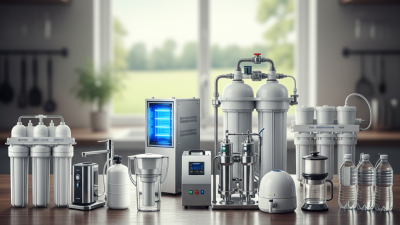
This guide examines leading options, including reverse osmosis, ultraviolet treatment, ultrafiltration, activated carbon, distillation, and emerging membrane systems. Each method has strengths and limits. Reverse osmosis can reduce many dissolved contaminants, but it may waste water and require filter replacement. Ultraviolet systems can inactivate microorganisms, yet they do not remove chemicals or sediment. Carbon filters improve taste and odor, although their performance depends heavily on timely cartridge changes.

Real-world reliability matters.

Professional selection should begin with a laboratory water test, not a product advertisement. Independent certifications, such as NSF/ANSI standards, can provide useful evidence, but certification details still require careful checking. Users should review flow rate, energy use, storage capacity, reject-water volume, and service availability. Installation quality also affects results. A premium unit cannot compensate for a cracked housing or neglected filter.

The discussion will compare purification performance, operating costs, sustainability, and everyday usability. It will also consider newer technologies that appear promising but need longer field records. Some claims may sound impressive. Evidence should lead.

No single system wins everywhere. The most responsible choice balances verified contaminant removal, realistic maintenance, and safe installation. This perspective helps readers judge 2026 solutions with clearer expectations, while recognizing that household conditions can change over time.
What Are the 2026 Top Water Purification Solutions?

Defining Water Purification Solutions and Their Core Functions

Water purification solutions are systems that make unsafe or undesirable water more suitable for drinking, cooking, or household use. Their core functions are clear: remove particles, reduce harmful microorganisms, control chemicals, and improve taste or odor. The WHO/UNICEF Joint Monitoring Programme reported that 2.2 billion people lacked safely managed drinking water in 2022. That figure makes purification a public-health function, not merely a comfort feature.

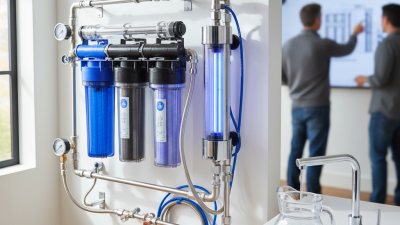
In practical assessments, treatment usually begins with sediment removal. Fine screens and media filters capture sand, rust, and suspended solids. Activated carbon can reduce chlorine, odors, and some organic compounds. Membrane systems remove smaller contaminants, while ultraviolet treatment targets microorganisms without adding chemicals. Each method has limits. A membrane may waste water, and ultraviolet light cannot remove dissolved metals. Maintenance matters more than impressive specifications.

The 2024 United Nations World Water Development Report links water quality, scarcity, and resilience to growing public risks. For 2026, the strongest solutions should combine monitoring with treatment. Sensors can reveal pressure drops, filter exhaustion, or unusual conductivity. Still, digital readings need human checks. Poor calibration creates false confidence. Household systems need simple replacement schedules, while community systems require trained operators and verified laboratory testing. The best design depends on source water, local infrastructure, energy access, and the contaminants actually present.

What Are the 2026 Top Water Purification Solutions? - Defining Water Purification Solutions and Their Core Functions

A practical comparison of major water purification technologies, their core functions, treatment targets, and operating considerations.

Notes: Performance depends on water quality, system design, operating conditions, and applicable drinking-water standards. “Typical removal” describes the technology’s primary treatment capability rather than a universal guarantee.
Solution Type Core Function Typical Contaminants or Risks Addressed Key Strengths Important Limitations Typical Applications Maintenance and Operating Needs
Reverse Osmosis Uses pressure to force water through a semipermeable membrane while retaining many dissolved substances. Dissolved salts, many metals, nitrate, fluoride, and a broad range of dissolved contaminants. High removal capability; useful where dissolved-solids reduction is required. Produces a reject-water stream; requires pressure, pretreatment, and membrane replacement. Point-of-use drinking water, desalination, laboratory water, and industrial process water. Sediment and carbon pretreatment, periodic membrane sanitization, pressure monitoring, and filter changes.
Ultrafiltration Separates suspended particles and many microorganisms through a membrane with larger pores than reverse osmosis. Turbidity, suspended solids, bacteria, and some parasites; performance varies by membrane rating. Lower pressure demand than reverse osmosis and generally little change to mineral content. Does not reliably remove most dissolved salts or many small dissolved chemicals. Municipal treatment, rural systems, pretreatment, and drinking-water clarification. Backwashing or cleaning, pretreatment for fouling control, and periodic integrity testing.
Activated Carbon Adsorption Adsorbs selected organic compounds and improves taste and odor as water passes through porous carbon media. Chlorine, many taste- and odor-causing compounds, and some volatile or synthetic organic chemicals. Improves aesthetic quality and can reduce chemical contaminants without creating a reject stream. Capacity is limited; it is not a dependable standalone solution for dissolved salts or all microorganisms. Household filtration, pretreatment, food service, and polishing stages. Scheduled cartridge or media replacement is essential to prevent breakthrough and microbial growth.
Ultraviolet Disinfection Uses ultraviolet light to damage the genetic material of microorganisms, preventing replication. Bacteria, viruses, and some protozoa when the delivered UV dose is adequate. No chemical taste, no significant change to water chemistry, and rapid treatment. Does not remove particles, salts, metals, or chemicals; high turbidity can shield microorganisms. Homes, healthcare facilities, small water systems, and final disinfection stages. Lamp replacement, quartz-sleeve cleaning, electrical power, and adequate pretreatment for clarity.
Ozonation Applies ozone as a powerful oxidant for disinfection and transformation of selected organic compounds. Microorganisms, taste and odor compounds, iron, manganese, and some organic contaminants. Strong oxidation and disinfection with relatively short contact times. Requires on-site ozone generation; can form regulated by-products and usually needs downstream treatment. Large-scale drinking-water treatment and advanced oxidation processes. Ozone-generation equipment, off-gas control, contact-tank management, and by-product monitoring.
Ion Exchange Exchanges undesirable dissolved ions with more acceptable ions held on resin or mineral media. Hardness minerals, nitrate, selected metals, and other ions depending on the resin type. Targeted removal and effective water softening at relatively low pressure. Media capacity is finite; regeneration can produce brine or concentrated waste and requires correct pretreatment. Water softening, nitrate control, industrial demineralization, and selective contaminant treatment. Regeneration or media replacement, salt or chemical management, and monitoring of breakthrough.
Distillation Boils water and condenses the vapor, leaving behind many nonvolatile contaminants. Many dissolved solids, minerals, metals, and microorganisms; effectiveness depends on volatility. Produces highly purified water and provides thermal microbial inactivation. Energy-intensive, slower than many membrane processes, and not ideal for volatile compounds without additional controls. Laboratories, specialty applications, and small-volume high-purity water production. Descaling, heating-element cleaning, condensate monitoring, and regular sanitization.
Electrodeionization Combines ion-selective membranes, ion-exchange media, and an electric field to continuously remove ions. Residual dissolved ions after pretreatment, particularly in high-purity water production. Continuous operation without routine chemical regeneration and consistent polishing performance. Requires well-pretreated feed water and is not designed for heavy suspended solids or high organic loads. Pharmaceutical, laboratory, electronics, and other high-purity process-water systems. Stable feed quality, conductivity monitoring, periodic sanitization, and replacement of modules when performance declines.
Selection principle: The most suitable purification solution depends on the source-water analysis, target contaminants, required flow rate, treatment objectives, waste-handling options, energy availability, and applicable regulatory requirements. In practice, multiple technologies are often combined as a treatment train.

Comparing the Leading Water Purification Technologies in 2026

In 2026, water purification is less about finding one perfect machine and more about matching technology to local water risks. Reverse osmosis remains a strong choice for dissolved salts, heavy metals, and many chemical contaminants. It produces very clean water, but it can waste water and remove beneficial minerals. Newer high-efficiency systems reduce this waste, although their performance depends on pressure and filter condition.

Ultraviolet treatment works differently. It uses light to inactivate bacteria, viruses, and other microorganisms without changing water taste. However, UV cannot remove chemicals or sediment, so clear water is essential. Activated carbon improves taste and reduces chlorine, odors, and selected organic compounds. It is affordable and simple, yet its protection weakens when cartridges are overdue for replacement. That detail is often ignored.

Ultrafiltration can remove particles, bacteria, and some larger pathogens while using less energy than reverse osmosis. It usually does not remove dissolved salts. Distillation offers broad contaminant reduction, but it consumes considerable energy and works slowly. Hybrid systems combine carbon, membranes, and UV for broader coverage. They may be more dependable, but complexity creates more maintenance points.

A careful comparison should examine independent laboratory results, third-party certification, flow rate, wastewater production, and replacement costs. Test the source water before choosing equipment. A home with an old storage tank needs different protection from a city apartment. Even advanced purification fails when seals leak or filters are neglected. Technology helps, but maintenance remains the unglamorous weakness.

Evaluating Filtration Performance, Safety, and Water Quality

Water purification in 2026 should be judged by evidence, not impressive claims. Filtration performance depends on the contaminant. Activated carbon can reduce chlorine, odors, and some organic compounds, while membrane systems may address dissolved salts and microorganisms. No single filter removes everything. A laboratory report should identify test methods, reduction rates, and replacement conditions.

Safety is equally important. Choose systems tested by independent laboratories against clearly named standards. Check whether the materials are suitable for drinking water and whether treated water can become contaminated inside the device. Poor maintenance may allow biofilm growth. Replace cartridges according to water usage, not only calendar dates. I once trusted a filter longer than recommended because the water still looked clear. That was a weak assumption. Clear water is not automatically safe.

Tips: Test your source water before choosing a system. Keep a replacement log. Wash reusable parts carefully. Do not ignore unusual taste, pressure loss, or cloudy water. If your supply may contain lead, pesticides, or pathogens, use professional testing and a treatment method verified for that contaminant. Performance can also change with temperature, pressure, and flow rate. A filter that works well in a controlled test may perform differently under a busy kitchen faucet. Ask for current certification documents, maintenance instructions, and realistic capacity figures. Availability of evidence matters. So does admitting what the system cannot remove.

Selecting the Best Purification System for Different Applications

What Are the 2026 Top Water Purification Solutions?

Choosing a purification system depends on the water source, contaminants, flow rate, and intended use. A household kitchen may need activated carbon for taste and chlorine. Reverse osmosis can reduce dissolved salts, some metals, and other unwanted substances. However, it also produces wastewater and may remove beneficial minerals. Ultraviolet treatment targets microorganisms, but it cannot remove sediment or chemicals.

A practical assessment begins with an independent water test, not a sales claim. Check laboratory results, replacement costs, operating pressure, and verified performance standards before purchasing.

Tips: Test incoming water twice yearly. Replace filters on schedule. Keep a written maintenance log. Never assume clear water is safe.

Commercial and Specialized Applications

Commercial kitchens often need high flow, reliable monitoring, and easy sanitation. Small laboratories may require finer purification, such as ultrafiltration, reverse osmosis, or polishing cartridges. Rural homes using wells should consider sediment, hardness, iron, and microbial risks together.

Storage tanks also need attention because purified water can be recontaminated after treatment. Smart sensors can warn about pressure drops or exhausted filters, yet alerts are not a substitute for testing.

No system is perfect. A cheaper unit may become expensive when cartridges clog every few weeks. That detail is easy to overlook. Selection should match real usage, local water data, installation conditions, and the operator’s ability to maintain the equipment.

Assessing Costs, Maintenance Needs, and Environmental Impact

What Are the 2026 Top Water Purification Solutions?

The best 2026 solution depends on water quality, household size, and maintenance discipline. Activated-carbon filters usually cost less upfront and reduce chlorine, odors, and some organic chemicals. They need regular cartridge replacement. Ultraviolet systems can deactivate microorganisms, but they require clear water and continuous electricity. Reverse osmosis removes many dissolved contaminants, yet it often costs more and produces wastewater. The WHO and UNICEF JMP 2023 report states that 2.2 billion people lacked safely managed drinking water in 2022. This makes dependable treatment more important than fashionable equipment.

Maintenance affects real costs. A neglected filter can become a contamination risk. Reverse-osmosis membranes also lose performance when prefilters are ignored. The U.S. EPA WaterSense specification uses an efficiency ratio of 2.3 as a benchmark for efficient point-of-use RO systems. In practice, efficiency varies by pressure, temperature, and water chemistry. That detail is easy to overlook. Energy use also matters, especially for UV and powered membrane systems. The UN World Water Development Report 2024 identifies water reuse and efficiency as important responses to growing water stress.

Tips: Test the incoming water before buying. Record filter changes on a calendar. Compare replacement parts, electricity, and wastewater costs over five years. Do not assume the highest removal rate is the best choice. Sometimes, simpler treatment is safer, cheaper, and easier to maintain. Yet household habits can undermine even good equipment.

This benchmark compares typical residential systems treating approximately 1,000 litres of water per day. Annual costs are estimated in US dollars and exclude installation. Electricity use is shown per cubic metre of treated water. Reverse osmosis commonly produces about 2–4 litres of reject water per litre of purified water, while activated carbon and UV systems generally produce no reject stream.

Lower values generally indicate lower operating burden. Actual results vary with water quality, replacement intervals, local energy prices, and system capacity.

Skip to content