2026 Top Water Purification Solutions for Global Buyers
Choosing among the 2026 top water purification solutions requires more than comparing equipment prices. Global buyers must examine water sources, target contaminants, daily demand, energy use, and local operating conditions. A reliable water purification solution should match laboratory results with practical treatment needs. Surface water may contain sediment, microbes, and organic matter. Groundwater can carry hardness, iron, fluoride, or dissolved salts. Each challenge requires different evidence.
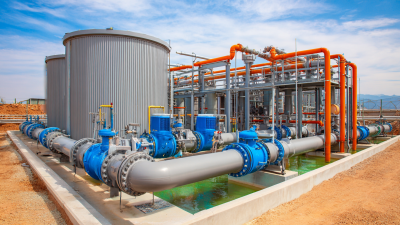
Field experience shows that reverse osmosis, ultrafiltration, ultraviolet disinfection, activated carbon, and advanced oxidation each serve distinct purposes. No single technology works everywhere. Details matter. Buyers should request recent test data, certified component information, maintenance schedules, and clear replacement costs. They should also confirm whether suppliers provide commissioning, operator training, remote support, and documented performance guarantees. A polished brochure is not enough.
Performance varies. Seasonal changes can alter feedwater quality, while poor pretreatment may shorten membrane life. Some systems appear efficient but consume excessive energy or create difficult concentrate-management issues. This deserves honest attention. Professional evaluation should include total cost of ownership, water recovery, safety controls, monitoring accuracy, and regulatory compatibility. Independent laboratory testing and recognized quality certifications can strengthen supplier credibility, but they do not replace site-specific validation. This guide helps international buyers compare practical technologies, assess trustworthy manufacturers, and identify solutions suited to municipal, industrial, commercial, and community applications. The strongest decisions combine technical evidence with local expertise. Even then, careful review remains necessary.
Water Purification Solutions: Definition, Scope, and Global Market Needs
Water Purification Solutions: Definition, Scope, and Global Market Needs
Water purification solutions are processes, equipment, and controls that improve water quality for drinking, industry, agriculture, and public services. They may include sediment filtration, activated carbon, membrane treatment, ultraviolet disinfection, chemical dosing, and real-time monitoring. Each method targets different risks, such as suspended solids, microbes, salts, or unwanted chemicals.
The scope is broad. Large cities often require centralized plants, stable energy, laboratory testing, and skilled operators. Remote communities may need compact systems, solar support, simple maintenance, and locally available replacement parts. Industrial buyers usually focus on flow rate, recovery ratio, discharge limits, and operating costs. Good procurement decisions begin with water analysis, not equipment popularity.
Global demand is rising because of urban growth, drought, aging infrastructure, and industrial expansion. Buyers also expect lower energy use, longer filter life, transparent performance data, and safer waste handling. However, no purification system fits every location. A technically advanced unit can fail when spare parts arrive late or operators lack training. That reality is often ignored. Reliable suppliers should provide validated specifications, installation guidance, maintenance schedules, and clear testing methods. Buyers should question vague claims and compare performance under local conditions. Small details matter, including water temperature, seasonal turbidity, electricity quality, and disposal arrangements. The perfect solution does not exist. Better decisions come from measurable needs and honest limits.
2026 Top Water Purification Solutions for Global Buyers
Water Purification Solutions: Definition, Scope, and Global Market Needs
Global drinking-water service levels indicate where purification solutions are most needed. Safely managed supplies generally require reliable treatment, protected sources, and continuous quality monitoring, while basic, limited, unimproved, and surface-water users may require modular filtration, disinfection, source protection, and decentralized systems.
Data source: WHO/UNICEF Joint Monitoring Programme for Water Supply, Sanitation and Hygiene, global household drinking-water estimates for 2022.
Key Technologies Used in Modern Water Purification Systems
2026 Top Water Purification Solutions for Global Buyers
Modern water purification depends on several technologies working as one treatment train. Coagulation and sedimentation remove suspended particles before finer filtration begins. Activated carbon reduces taste, odor, and many organic compounds. Ultrafiltration blocks bacteria and larger particles, while nanofiltration targets hardness and selected dissolved contaminants. Reverse osmosis removes salts, metals, and numerous dissolved substances, but it requires careful pressure and waste management. Ultraviolet light can inactivate microorganisms without adding chemicals. Ozone can improve oxidation, although operators must control by-products and contact time.
The scale of the need is substantial. The WHO/UNICEF Joint Monitoring Programme reported that 2.2 billion people lacked safely managed drinking water in 2022. The 2024 UN World Water Development Report also stated that agriculture uses about 70% of global freshwater withdrawals. These figures support systems that recover water efficiently and match treatment intensity to real contamination risks. Sensors now track conductivity, turbidity, pressure, and microbial indicators. Useful data, but not perfect.
No single process fits every source. A clear-looking sample may still contain dissolved contaminants. Pilot testing should cover rainy seasons, temperature shifts, and changing feedwater chemistry. Operators sometimes overtrust laboratory results from one quiet week. That is a mistake. Energy use, membrane fouling, concentrate disposal, maintenance skills, and replacement parts deserve equal attention. Buyers should request verified performance data, independent testing, and transparent operating assumptions before approving a 2026 system.
Top Water Purification Solutions for Global Buyers in 2026
Top Water Purification Solutions for Global Buyers in 2026
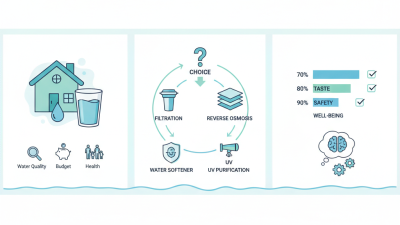
Global buyers need water purification solutions matched to local water conditions, not just advertised capacity. Reverse osmosis can reduce dissolved salts, while ultraviolet treatment targets microorganisms without adding chemicals. Ultrafiltration helps remove suspended particles and some pathogens. Activated carbon can improve taste, odor, and chlorine control. Each method has limits. No system is perfect.
A practical evaluation begins with a recent water analysis. Check turbidity, hardness, salinity, microbial results, and seasonal changes. Industrial users should also review flow rates, recovery ratios, energy demand, and wastewater handling. Independent test reports and recognized safety certifications can support reliable purchasing decisions. Installation quality matters greatly. Poor pipe connections may undermine excellent equipment. Buyers should request maintenance schedules, replacement part availability, operator training, and clear performance records. A cheap purchase can become expensive.
Tips: Compare total ownership costs, not only the quotation. Ask for pilot testing when water quality is uncertain. Keep written sampling records. Visit an operating installation if possible. Consider local technicians and electricity stability before selecting advanced treatment. I still see buyers choosing maximum capacity, then struggling with maintenance. Smaller systems may perform better when monitored consistently. Recheck results after installation.
Installation, Maintenance, Compliance, and Purchasing Considerations
2026 Top Water Purification Solutions for Global Buyers
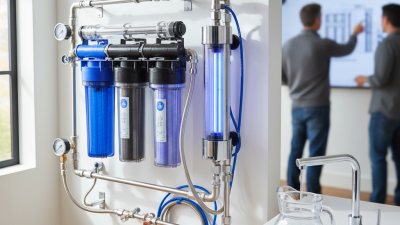
Installation starts with a careful site survey, not a product brochure. Technicians should test feed-water quality, pressure, temperature, and seasonal changes before selecting equipment. In field projects, small pipe restrictions often reduce output and increase energy use. Leave clear space around filters, pumps, and control panels. It makes inspections safer and faster. Operators also need simple training, with shutdown steps posted near the system.
Maintenance depends on measured conditions. Staff should record pressure differences, flow rates, conductivity, and unusual odors during routine checks. Prefilters may require frequent replacement when sediment levels rise after heavy rain. Membranes and disinfection components need scheduled testing, not visual guesses. Keep service logs with dates, readings, replaced parts, and technician names. This sounds basic. It is often missed.
Compliance requirements vary by destination, application, and water source. Buyers should request material declarations, performance data, test reports, and installation records before payment. Local authorities may require separate approvals for drinking water, discharge, electrical work, or workplace safety. Ask who manages final verification. Purchasing decisions should include spare-part availability, delivery time, warranty limits, training, and total operating cost. A low purchase price can hide expensive consumables and difficult repairs. A spreadsheet can look complete while ignoring local maintenance skills. That deserves another review.