How to Choose the Right Water Pump?
Choosing a water pump starts with the job, not the product label. A pump that moves water from a rain barrel may be unsuitable for a deep well or a flooded basement. Think about the source, destination, distance, vertical lift, and expected flow rate. These details shape the pump type and capacity you need. Small details matter. A long, narrow hose can reduce flow, while grit may damage a pump designed for clean water.
Before comparing models, estimate how much water you need and how quickly it must move. Check the pump’s flow rate and maximum head, remembering that real performance often falls below headline figures once hose length, bends, and elevation are involved. A pump pumps water only as effectively as the whole setup allows. Also consider whether the water is clean, dirty, hot, or chemically treated, and confirm that the materials and seals are suitable. Not always obvious. Power source, noise, portability, maintenance access, and dry-run protection can matter just as much as horsepower. Product specifications help, but they do not replace matching the pump to actual site conditions. I have seen buyers focus on a large motor and overlook a restrictive outlet; it’s an easy mistake, and one worth checking. This guide explains common pump types and the practical questions to ask before choosing, so you can make a safer, more reliable decision.
Identify the Water Pump’s Intended Use
How to Choose the Right Water Pump?
Identify the Water Pump’s Intended Use
Start by defining what the pump must move, where it must move it, and how often it will run. A pump suited to clean well water may clog when handling muddy runoff. Irrigation usually needs steady flow across a known distance, while basement drainage may call for a portable pump that handles debris. For wastewater, check the manufacturer’s solids-handling limits; “dirty water” is not a precise specification.
Estimate the required flow rate and total head, including vertical lift and pipe friction. The U.S. Department of Energy’s Improving Pumping System Performance sourcebook estimates that pumping systems use nearly 20% of global electrical energy demand. That makes matching pump capacity to the actual task important: an oversized unit can waste energy and cycle frequently. Measure the site, not just the pipe diameter. The first estimate may still be off; real layouts have bends and restrictions.
Tips: Write down the fluid, flow rate, lift, operating hours, and power supply before comparing pumps. Note whether the water contains grit or fibers. Keep a little margin, but avoid choosing the largest model “just in case.”
Determine the Required Flow Rate and Total Head
How to Choose the Right Water Pump?
Determine the Required Flow Rate and Total Head
Start by estimating how much water the system needs at one time. A garden hose, shower, or irrigation line may each require a different flow rate. Check the equipment specifications, then consider which outlets will run simultaneously. A bucket and stopwatch can help measure an existing supply: divide the bucket’s volume by the filling time. Small detail, big difference.
Next, calculate total head, not just vertical lift. Add the height between the water source and delivery point, the pressure needed at the outlet, and losses from pipe length, narrow sections, bends, and valves. For example, a pump lifting water 8 meters may need to overcome several additional meters of resistance in a long, twisting pipe. Measure the actual route. Estimates can miss a bend or two.
Compare the required flow and total head with the pump’s performance curve. The pump must deliver your target flow at the calculated head; its maximum flow rating alone is not enough. Avoid choosing a much larger pump “just in case,” since it may waste energy or create excessive pressure. I have seen rough measurements lead to a poor match. Recheck them before selecting a model.
How to Choose the Right Water Pump? — Determine the Required Flow Rate and Total Head
Start by estimating the flow rate needed at the same time as the required total dynamic head (TDH).
The examples below are practical planning estimates; actual system losses depend on pipe size, material,
fittings, valves, and operating conditions.
| Typical Application |
Target Flow Rate |
Static Lift |
Estimated Friction Loss |
Additional Pressure Head |
Estimated TDH |
Selection Check |
| Water supply from a shallow well to a home |
20 US gpm
(76 L/min) |
40 ft
(12.2 m) |
15 ft
(4.6 m) |
0 ft
(open outlet) |
55 ft
(16.8 m) |
Confirm the pump can deliver 20 gpm at approximately 55 ft TDH, not just at its maximum-flow rating. |
| Garden irrigation with a pressurized sprinkler system |
30 US gpm
(114 L/min) |
25 ft
(7.6 m) |
20 ft
(6.1 m) |
23 ft
(7.0 m; about 10 psi) |
68 ft
(20.7 m) |
Check the sprinkler’s required pressure and flow at the same time; include losses through filters and valves. |
| Transfer between two open storage tanks |
50 US gpm
(189 L/min) |
35 ft
(10.7 m) |
12 ft
(3.7 m) |
0 ft
(open outlet) |
47 ft
(14.3 m) |
Use the difference in water-surface elevations for static lift and account for the full length of the transfer line. |
| Basement drainage to an outdoor discharge point |
80 US gpm
(303 L/min) |
15 ft
(4.6 m) |
10 ft
(3.0 m) |
0 ft
(free discharge) |
25 ft
(7.6 m) |
Verify that the pump is suitable for the liquid and solids present, and check its flow at 25 ft TDH. |
| Building water booster supplying a pressurized outlet |
25 US gpm
(95 L/min) |
30 ft
(9.1 m) |
18 ft
(5.5 m) |
35 ft
(10.7 m; about 15 psi) |
83 ft
(25.3 m) |
Confirm the required pressure at the outlet and the flow demand expected during simultaneous use. |
How to calculate: TDH ≈ static lift + friction losses + required pressure head.
For water, 1 psi is approximately 2.31 ft of head (0.703 m). Select a pump whose performance curve
meets the required flow rate at the calculated TDH, and allow for verified system losses rather than
choosing by maximum flow or maximum head alone.
Compare Pump Types and Power Sources
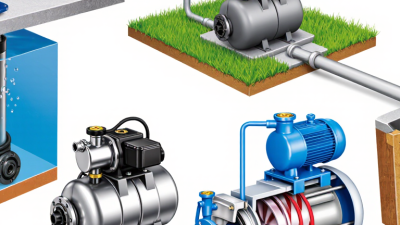
Choosing a water pump starts with the job, not the motor. A centrifugal pump suits steady flow from a shallow source, such as a rainwater tank. For deep wells, a submersible pump pushes water upward from below the surface. A diaphragm pump can handle intermittent flow and some debris, but check its limits before use. The wrong pump may run constantly and still leave a tap sputtering.
Power source changes the practical choice. Grid electricity is convenient where supply is stable; solar can work well for daytime irrigation, though cloudy spells and storage needs matter. Fuel-powered pumps offer mobility, but require refuelling and regular maintenance. Match the pump’s flow and total head to your actual setup, including pipe length and elevation. A pump’s advertised flow rate alone can mislead.
Efficiency deserves attention. The U.S. Department of Energy’s Improving Pumping System Performance sourcebook estimates that pumping systems use nearly 20% of global electricity demand. That figure covers many applications, not just household water pumps, but it shows why oversizing matters. Measure the source depth and the height water must reach; then compare power use at the required flow. I would recheck those measurements. Small errors can change the choice.
How to Choose the Right Water Pump? Compare Pump Types and Power Sources
Estimated pump shaft input power for 1 L/s of water flow, assuming 60% pump efficiency. The estimates use the hydraulic power relationship between flow, total pumping head, and efficiency; motor and drive losses are not included.
Choose a pump for the required flow and total dynamic head. Centrifugal pumps commonly suit steady flow, while positive-displacement pumps can suit lower flows or higher pressures; submersible pumps are installed in the water. Grid electricity, solar with suitable controls or storage, and engine power are possible sources—check that the chosen source can supply the pump’s running and starting requirements.
Check Materials, Installation, and Operating Conditions
How to Choose the Right Water Pump?
A pump should match the liquid, the pipework, and the work schedule. Check the casing, impeller, and seals for compatibility with the fluid. Clean water, salty water, and water carrying fine grit can require different materials. Temperature matters, too. A seal that performs well in cool water may wear faster in hot service. If the liquid contains particles, check their size against the pump’s limits.
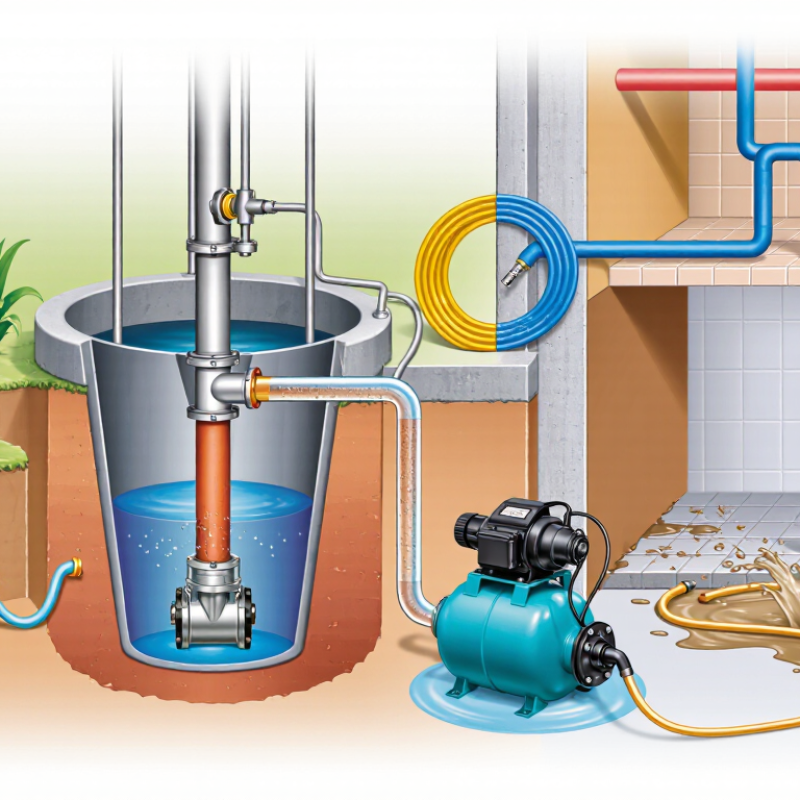
Installation details can change real-world performance. Measure the height from the water source to the pump, then account for the discharge height and pipe losses. Narrow pipes, sharp bends, and small leaks on the suction side may reduce flow. Place the pump close to the source when practical, and follow its instructions for priming and mounting. I have seen a seemingly suitable pump struggle because the suction line was longer than expected. The specification sheet cannot reveal every site problem.
Tips: Compare the required flow and total head with the pump’s performance curve, not just its maximum rating. Check duty cycle, supply voltage, and ambient conditions. Avoid choosing a much larger pump “just in case”; it may cycle often or waste energy. Leave room for maintenance, and ask a qualified installer to review electrical connections and site-specific risks.
Evaluate Efficiency, Maintenance, and Total Cost
How to Choose the Right Water Pump?
Efficiency, maintenance, and total cost deserve equal attention when selecting a water pump. Match the pump’s flow and pressure to measured demand, not just the pipe size. The U.S. Department of Energy’s 2006 pump-system sourcebook estimates that pumps use nearly 20% of global electricity, with shares reaching 25–50% in some industrial plants. Even a modest efficiency gap can therefore add up over long operating hours. Check the pump’s performance curve and aim to operate near its best-efficiency point. If demand changes through the day, assess whether variable-speed control fits the system. It is not automatically the cheaper option.
Look beyond the purchase price. The DOE’s Pump Life Cycle Costs guide recommends accounting for energy, installation, maintenance, downtime, and disposal across the pump’s service life. Compare expected annual energy use and service needs, then ask how easily technicians can access seals, bearings, and strainers. Small details matter. A blocked strainer or a leaking seal can quietly increase energy use and trigger unplanned repairs. Keep a basic maintenance log; it helps reveal recurring problems, though it will not explain every failure. I still find it easy to overrate the efficiency label and underrate installation conditions. Check suction piping, fluid properties, and actual operating hours before making the final comparison.