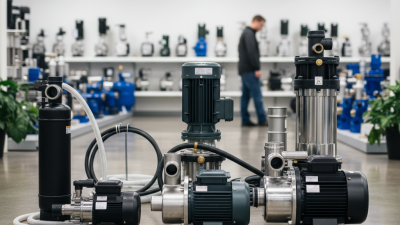
Water pumps move liquid from one place to another, but different jobs call for different designs. A household well, a basement drain, and an irrigation line each create distinct demands. The water’s source, required flow, and travel distance all affect which pump may work best. Small details matter.
This guide introduces common types, including centrifugal, submersible, positive-displacement, and jet pumps. Each has particular strengths, operating limits, and maintenance needs. Centrifugal pumps often suit steady, higher-flow transfer. Submersible models operate underwater and can help remove standing water. Positive-displacement pumps move set amounts per cycle, which can be useful when controlled flow matters. Jet pumps can draw water from wells, though depth and installation affect performance. Details vary by model. Understanding how each type pumps water helps readers compare applications instead of choosing by name alone. Check flow rate, lift, liquid compatibility, power source, and manufacturer instructions before installation. Noise, energy use, and repair access deserve attention too. Pump labels are useful, but they do not tell the whole story. A system’s piping or changing water supply can affect real-world performance. A powerful pump may disappoint if the pipe is too narrow or the source runs dry. Keep that in mind. This overview offers a practical starting point; product specifications and qualified advice remain important for demanding installations.
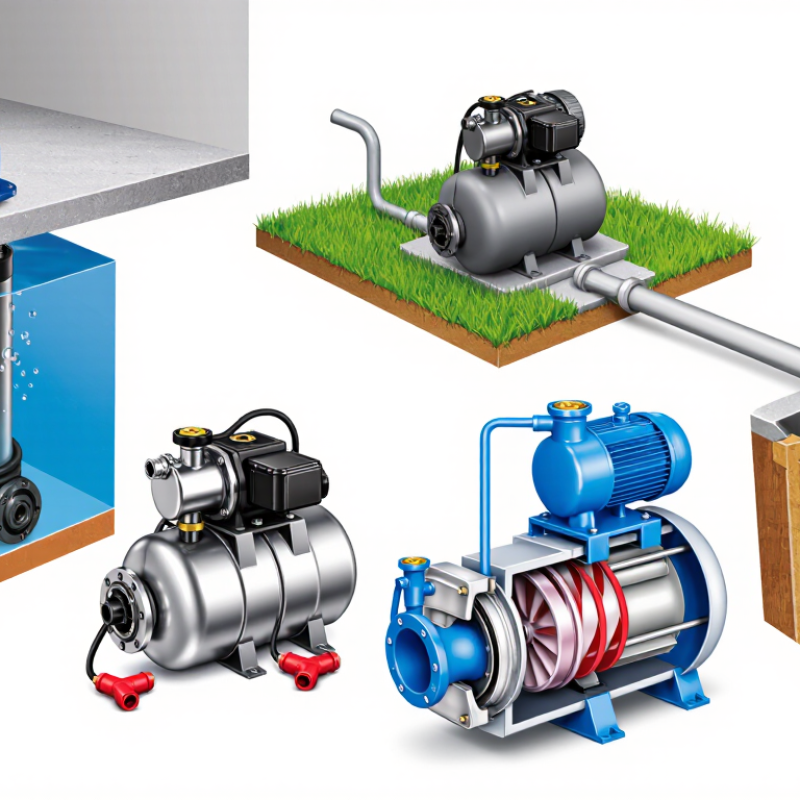
Water pumps are commonly classified by how they move liquid. Dynamic pumps, including centrifugal models, use an impeller to add velocity, then convert it into pressure. Axial-flow pumps move large volumes with relatively little pressure; mixed-flow designs sit between axial and radial flow. Positive-displacement pumps trap and push a defined volume with each cycle. Gear and screw pumps are rotary types; piston and diaphragm pumps are reciprocating types.
The distinction matters.
Selection is not just about the pump family. Engineers also compare flow rate, pressure, fluid viscosity, solids content, and suction conditions. A multistage centrifugal pump, for example, uses several impellers to build pressure, while a submersible pump describes where the motor and pump operate—not a separate hydraulic principle. Classification labels can overlap.
That can be confusing in a catalogue.
Energy use makes careful matching important. The U.S. Department of Energy’s Improving Pumping System Performance: A Sourcebook for Industry reports that pumping systems account for nearly 20% of global electricity demand, and 25–50% of energy use in some industrial operations. Those figures are broad, not a prediction for any single installation. In practice, a pump handling thick fluid may need a different design from one moving clean water, even at similar flow rates. Engineers should check operating conditions and performance curves, rather than choosing by name alone.
Positive-displacement water pumps move liquid by capturing a set volume and pushing it toward the outlet. Their output stays fairly consistent as discharge pressure changes, although leakage and wear can reduce actual flow. They suit measured, steady delivery, especially when water contains little debris. That sounds simple.
Rotary designs include gear, screw, vane, and lobe pumps. Gear pumps use meshing teeth to carry water around the casing; tight clearances help maintain flow but tolerate grit poorly. Screw pumps move liquid along rotating threads, often producing smooth, low-pulsation flow. Vane pumps use sliding vanes, while lobe pumps turn synchronized rotors with space between them. Lobe designs can handle thicker liquids, but ordinary water systems may not need that capability.
Reciprocating models include piston, plunger, and diaphragm pumps. A piston or plunger draws water into a chamber, then forces it out through check valves. Diaphragm pumps flex a membrane, separating the water from moving components. Their flow arrives in pulses, so a dampener may reduce pipe vibration. These pumps can generate high pressure, but dry running or a closed outlet can cause damage. A correctly sized pressure-relief device is essential. I would not choose by pump type alone; check water quality, required flow, pressure, and service access before sizing.
Centrifugal pumps are the most familiar dynamic type: an impeller accelerates water, and a casing converts much of that velocity into pressure. They suit steady transfer, circulation, and irrigation duties. Their flow changes with system resistance, so a pump’s curve matters as much as its rated capacity. A tidy catalog curve can still mislead.
Dynamic pumps also include axial-flow and mixed-flow designs. Axial-flow impellers move large volumes at relatively low heads, much like a propeller pushing water along a pipe. Mixed-flow units combine axial and radial movement, serving duties between those extremes. Regenerative turbine pumps use repeated impeller action to develop higher pressure at modest flow. Details matter.
The U.S. Department of Energy’s Improving Pumping System Performance: A Sourcebook for Industry reports that pumping systems use nearly 20% of global electricity, and can consume 25–50% of energy in some industrial operations. Those figures cover pumping systems broadly, not centrifugal pumps alone. In practice, check flow, head, fluid temperature, and suction conditions against the duty cycle. Watch the inlet, too: a partly blocked strainer or air leak can cause vibration and erratic delivery. I have seen selection look straightforward on paper, then become less so once pipe losses are measured.
| Pump Type | Operating Principle | Typical Flow and Head | Best Suited For | Advantages | Considerations | Common Applications |
|---|---|---|---|---|---|---|
| Radial-Flow Centrifugal Pump | An impeller accelerates water outward from its center; the casing converts much of that velocity into pressure. | Moderate to high flow; moderate to high head, depending on design and operating speed. | Clean or lightly contaminated water in general-purpose transfer and circulation systems. | Continuous flow, straightforward operation, and broad availability in many sizes and configurations. | Usually requires priming unless designed as a self-priming or submersible unit. Performance can fall if operated far from its best-efficiency point. | Water supply, irrigation, building services, cooling-water circulation, and drainage. |
| Axial-Flow Pump | A propeller-like impeller moves water mainly parallel to the pump shaft. | Very high flow; generally low head. | Moving large volumes of water where the required lift or pressure is relatively low. | Handles large flows efficiently in suitable low-head installations. | Not intended for high-pressure service; performance depends on correct installation and operating conditions. | Flood control, drainage, irrigation canals, and circulating water in large systems. |
| Mixed-Flow Pump | The impeller moves water both radially and axially, combining features of radial- and axial-flow designs. | High flow; moderate head. | Applications requiring more head than an axial-flow pump can typically provide while maintaining substantial flow. | Offers a useful balance between flow capacity and pressure rise. | Selection should account for the system curve and the pump’s preferred operating range. | Irrigation, municipal water transfer, drainage, and industrial water circulation. |
| Multistage Centrifugal Pump | Several impellers, arranged in series, add pressure in successive stages. | Moderate flow; high head compared with a single-stage pump of similar size. | Water systems that need a substantial pressure increase or delivery to a high elevation. | Produces high discharge pressure in a relatively compact arrangement. | More stages can increase complexity; water quality, materials, and seal requirements must match the service. | Booster systems, high-rise buildings, boiler feed, and water treatment processes. |
| Regenerative Turbine (Peripheral) Pump | A small impeller repeatedly transfers energy to the liquid as it circulates through a peripheral channel. | Low flow; relatively high head for its size. | Clean water applications needing modest flow and a comparatively high pressure rise. | Can provide higher head than a conventional single-stage centrifugal pump of similar size at low flow. | Generally unsuitable for abrasive or heavily contaminated water; operation away from its design conditions can reduce efficiency. | Small pressure-boosting duties, equipment cooling, and selected clean-water transfer systems. |
| Submersible Centrifugal Pump | A sealed motor and centrifugal pump operate while submerged in the water being pumped. | Varies by impeller and model; available for drainage, sewage, and deep-well duties. | Water sources or collection points where a submerged installation is practical. | No surface priming is needed, and the installation can be compact and quiet. | Requires suitable electrical protection and access for inspection or servicing; materials and impeller design must suit the water. | Wells, sumps, wastewater lifting, and construction-site dewatering. |
| Positive-Displacement Pump (Comparison) | Traps and displaces a defined volume of liquid per cycle or rotation, rather than adding velocity with an impeller. | Often suited to low or moderate flow; can deliver high pressure depending on design. | Accurate or steady delivery, viscous liquids, or duties where flow must be maintained against changing pressure. | Can provide controlled flow and may handle more viscous liquids than many centrifugal pumps. | Not a dynamic pump type. A pressure-relief path is important because a blocked discharge can cause pressure to rise rapidly. | Metering, dosing, and specialized water or fluid-transfer duties. |
Submersible, jet, and specialized pumps solve different water-moving problems. A submersible pump operates below the waterline, pushing water upward through a discharge pipe. It suits deep wells, where surface suction becomes less practical. Jet pumps stay above ground and draw water through a pipe; shallow-well models use one pipe, while deep-well systems use an ejector assembly. They are easier to access for inspection, but can be noisier. The right choice depends on well depth, flow demand, and pipe layout—not just horsepower.
Other specialized pumps handle specific jobs. Booster pumps raise pressure in buildings or irrigation lines. Sump pumps remove water from a collection pit, often after rain or groundwater seepage. The U.S. Department of Energy’s Improving Pumping System Performance guide estimates that pumping systems use nearly 20% of the world’s electricity. That makes correct sizing and efficient operation important, even for smaller installations. Oversizing may seem safer, but it can waste energy and cause frequent cycling. Real systems are rarely perfect; a clogged screen or undersized pipe can undermine a good pump.
Tips: Check the pump’s rated flow and total head against actual site conditions. Keep intake screens clear, and listen for sudden changes in vibration or sound. When unsure, measure first.
Water pumps differ by the way they transfer energy to a liquid. A centrifugal pump spins an impeller, accelerating water outward from its center. The casing then converts much of that motion into pressure. This design suits steady flows of relatively clean, low-viscosity water. It may lose prime if air enters the suction line, so a small leak can matter.
Positive-displacement pumps move a set volume with each cycle or rotation. Gear and piston designs trap liquid in moving spaces, while diaphragm pumps flex a membrane to push it forward. These pumps can handle thicker fluids and deliver controlled flow at low speeds. A blocked outlet can cause pressure to rise quickly. A relief device is therefore important. The distinction sounds simple, but real installations are messier.
Submersible and surface pumps describe where a pump operates, not necessarily its pumping mechanism. A submersible unit sits underwater and pushes liquid upward; it avoids the suction-lift limits faced by many surface pumps. But debris, water depth, and motor cooling still affect performance. A surface pump draws water through a suction pipe, which must remain airtight. Small details count. A long or narrow pipe can reduce flow, even when the pump seems correctly sized.