Why Are Wildfire Water Solutions Essential for Effective Fire Management?
Wildfires increasingly threaten ecosystems and communities. The need for effective fire management is more critical than ever. According to the National Interagency Fire Center, wildfires burn an average of 7 million acres in the U.S. annually. Implementing innovative wildfire water solutions is essential for combating this staggering trend.
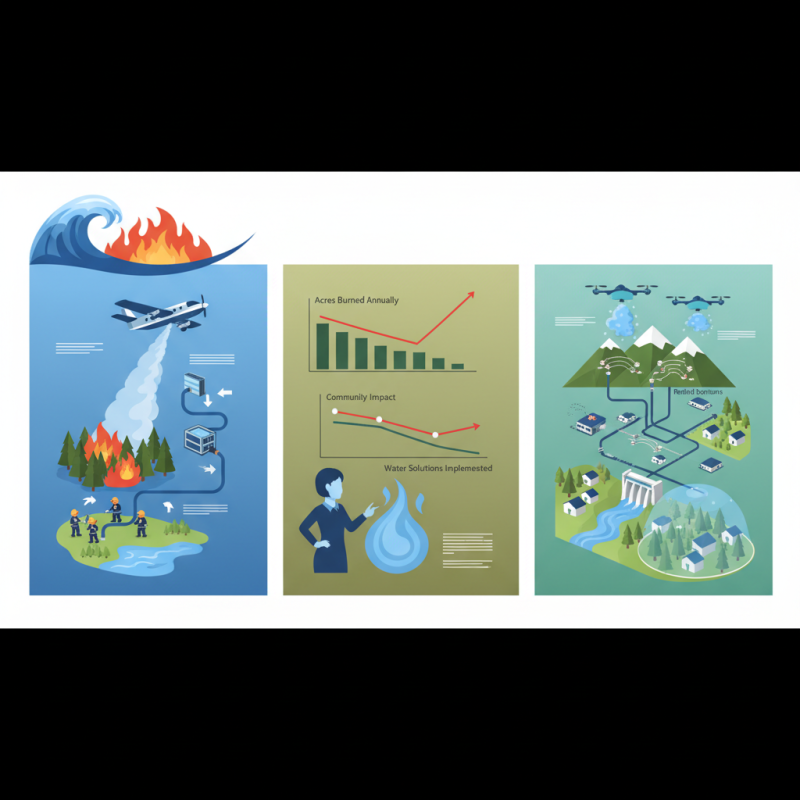
Expert Dr. Emily Thompson, a leading authority in fire management, emphasizes the importance of water strategies. She states, "Proactive wildfire water solutions can significantly reduce the impact of fires on our landscapes and communities." Such solutions include aerial water drops and water retention systems. These strategies provide crucial resources for firefighters on the ground.
Despite progress, challenges remain. Accessibility to water sources can hinder firefighting efforts. Furthermore, not all regions have adequate infrastructure to support these solutions. As we face an urgent need for effective wildfire strategies, continual improvement and adaptation are necessary. Embracing comprehensive wildfire water solutions may offer a path to a safer future.
Importance of Water in Fire Suppression Tactics
Water plays a vital role in fire suppression tactics. It reduces heat, cools burning materials, and creates barriers. Firefighters often rely on water to control wildfires effectively. In arid regions, water becomes a precious resource. Limited access can complicate firefighting efforts. Innovative techniques may be needed to optimize water use.
Different fire situations require tailored water solutions. Dropping water from helicopters can cover large areas quickly. Ground crews use hoses to tackle contained fires. The combined approach helps control the flames effectively. Yet, the dependence on water raises important questions. What happens when water sources dry up? How can we adapt our tactics?
Sustainability is a key concern in fire management. Relying heavily on water may not be the answer for the future. Conservation efforts must be prioritized. Exploring alternative suppression methods could yield better results. Firefighting is complex and requires constant evolution. Engaging with changing environments is essential.
Types of Wildfire Water Solutions and Their Applications
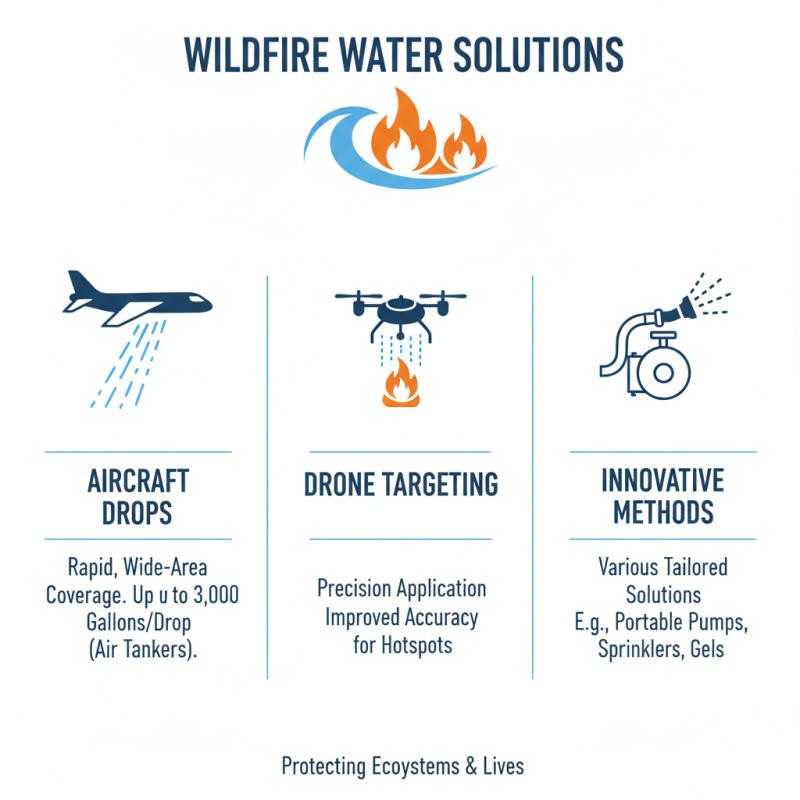
Wildfires pose a significant threat to ecosystems and human lives. Effective fire management requires innovative water solutions. Various methods exist, each tailored to specific conditions. Water drops from aircraft can cover extensive areas quickly. Using drones for targeted spraying improves accuracy. Reports indicate that air tankers can deliver up to 3,000 gallons of water or retardant in a single drop.
Fire hydrant systems in urban areas play a crucial role. Maintenance of these systems ensures rapid response during emergencies. About 80% of wildfire suppression occurs at the initial attack stage, emphasizing the need for reliable water sources. However, some regions may still face limitations. Many rural areas lack sufficient access to hydrant systems, making it challenging to tackle fires promptly.
Some fire management strategies overlook the importance of water retention techniques. For instance, creating water catchments can aid in drought-prone areas. But, these solutions require significant investment and planning. Experts recommend improving local infrastructures to enhance access to water. While these solutions show promise, they also highlight the systemic issues in wildfire management. Each area must assess its needs and develop tailored approaches.
Challenges in Implementing Water Solutions for Fire Management
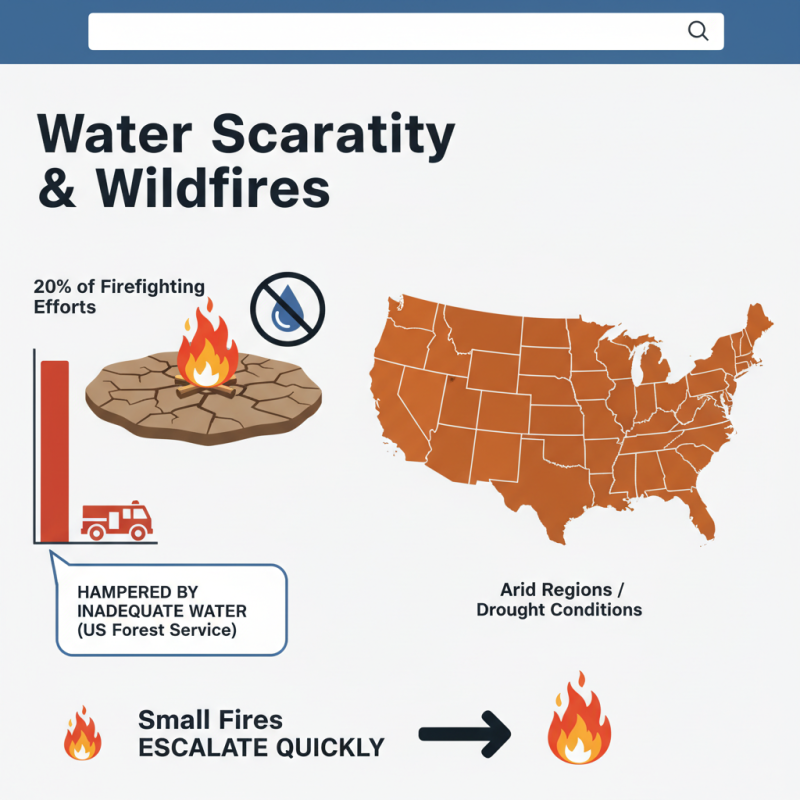
Implementing water solutions for fire management faces significant challenges. Many regions lack access to sufficient water resources. According to the U.S. Forest Service, nearly 20% of firefighting efforts are hampered by inadequate water supply. This is particularly evident in arid areas where drought conditions persist. In such places, even small fires can quickly escalate.
Infrastructure is also a major hurdle. Many areas depend on outdated systems for water distribution. During wildfires, these systems often fail. A report from the National Interagency Fire Center shows that 30% of firefighting operations are delayed due to logistical issues. Estimates indicate that improving water accessibility could reduce response times by about 30%. This gap underscores the need for modern infrastructure.
Training is essential yet often overlooked. Firefighters need skills to utilize water efficiently. Training programs are frequently underfunded, leading to inefficiency. In an industry where every second counts, this can be detrimental. The integration of technology and better funding might bridge these gaps. However, it’s a slow process, and the urgency of wildfire management continues to grow.
Innovative Technologies in Water Delivery for Wildfire Control
Innovative technologies play a critical role in wildfire control. Traditional methods can be slow and cumbersome. Modern solutions aim to enhance water delivery systems, making them more efficient and effective. For instance, drones can drop water precisely where it's needed. This kind of technology can save time and resources during emergencies.
Another exciting advancement is portable water tanks. They can be quickly deployed in remote areas. These tanks can store large amounts of water, ready for use when fires threaten wildlife and communities. However, challenges remain. Sometimes, access to these locations is limited, complicating delivery efforts.
Real-time data analysis also shows promise. By using satellite imagery and weather forecasts, responders can strategize better. Yet, interpreting this data brings its own set of challenges. The urgency of the situation often leaves little time for analysis. Each of these innovations offers hope, yet they require constant refinement and adaptation to be truly effective.
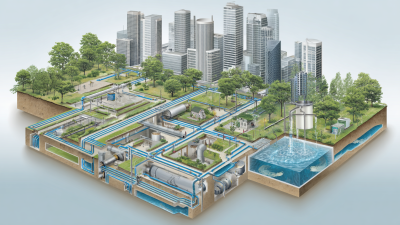
Water Delivery Solutions for Effective Wildfire Management
Environmental Impact of Water Use in Fire Management Strategies
Water plays a pivotal role in wildfire management. However, its use comes with environmental concerns. Excessive water diversion can harm local ecosystems, affecting plants and wildlife. Moreover, using water from nearby rivers or lakes may deplete these vital resources. Each drop counts.
When fire management teams draw water, they must consider the impact. Aquatic habitats can suffer from sudden changes in temperature and chemistry. A quick response is necessary, but not at the expense of the environment. Utilizing water shedding from natural barriers—like mountains—can help.
Tips: Use less water wherever possible. Employ alternative methods for fire suppression. Create controlled burns in the off-season to minimize water use. Understanding and balancing these factors is essential for sustainable fire management practices.