What is Water System Supplies and How Do They Work?
Water system supplies play a vital role in our daily lives. They ensure we have access to clean and safe water for drinking, cooking, and hygiene. Understanding how these systems operate is essential for maintaining public health and environmental safety.
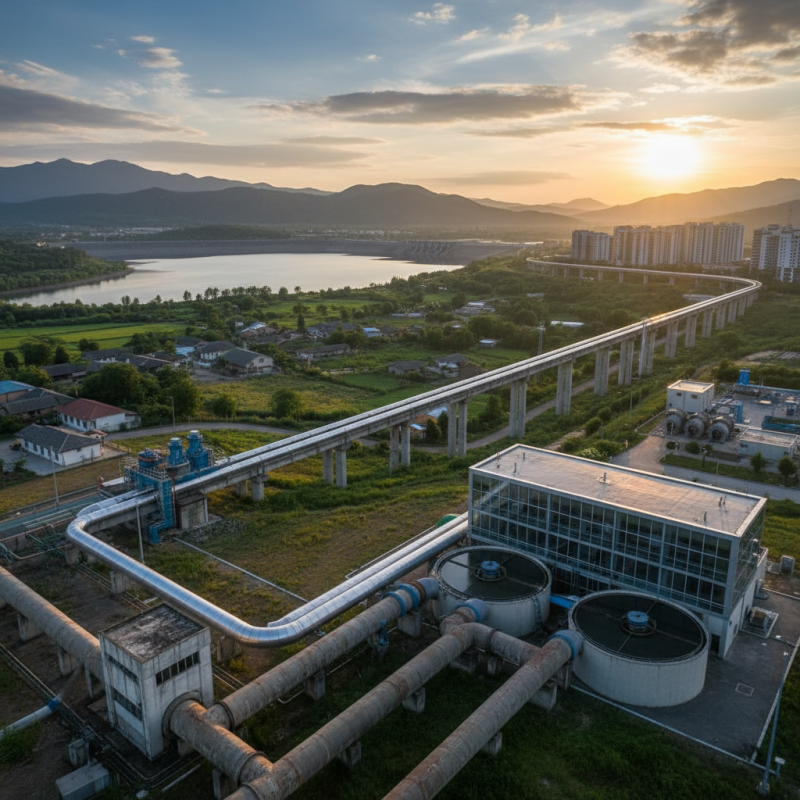
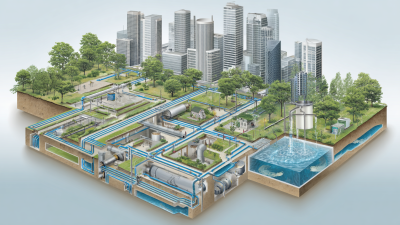
These supplies consist of intricate networks. Pipes, pumps, and treatment plants work together seamlessly to deliver water. Each component is crucial, and any failure can disrupt service. For example, a broken pipe can lead to water loss and contamination.
It's important to reflect on our dependency on these systems. Without them, daily routines would falter. Yet, not all areas receive equal service. Some regions struggle with aging infrastructure. Improving these systems requires effort and investment. The need for modernized water system supplies is clear.
What Are Water System Supplies?
Water system supplies play a crucial role in delivering clean water. They include a variety of components, such as pipes, pumps, and tanks. Each element serves a specific purpose in ensuring water reaches homes and businesses. Without them, maintaining hygiene and daily activities would be challenging.
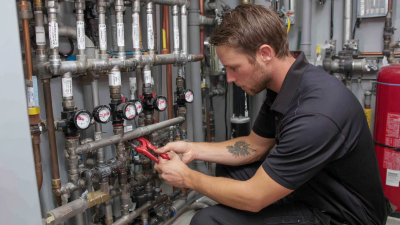
Pipes transport water from treatment plants to consumers. They can wear out over time, leading to leaks. Regular maintenance checks are important to prevent wastage. Pumps, on the other hand, help move water through these pipes. If a pump fails, it can disrupt the entire supply chain.
Tanks store water, allowing for a steady flow during peak demand. However, they can be overlooked in planning stages. Many systems lack sufficient storage, risking shortages. Efficiency should be a priority, yet it's often neglected. Balancing these components can improve reliability, but it requires constant attention. Regular evaluations help identify vulnerabilities.
What is Water System Supplies and How Do They Work? - What Are Water System Supplies?
| Supply Type |
Function |
Key Components |
Application |
| Pipes |
Transport water from source to user |
PVC, Copper, or PEX materials |
Residential and commercial plumbing |
| Valves |
Regulate water flow and pressure |
Gate, ball, and check valves |
Irrigation and industrial processes |
| Fittings |
Connect various pipes and appliances |
Elbows, tees, and couplings |
Home plumbing systems |
| Filters |
Remove impurities from water |
Carbon, sediment, and reverse osmosis filters |
Drinking water systems |
| Pumps |
Move water through the system |
Submersible and centrifugal pumps |
Well systems and irrigation |
Key Components of Water Supply Systems
Water supply systems are crucial for providing safe drinking water. They consist of several key components that work together. Understanding these components is essential for anyone interested in how water delivery operates.
Pipes are the most visible part of any water system. They transport water from treatment plants to homes and businesses. However, many pipes are aging and often leak. This waste leads to financial and environmental concerns. Water treatment facilities play a vital role as well. They ensure the water is clean before reaching consumers. Unfortunately, not all facilities keep pace with growing populations.
Pumps are another critical element. They maintain water pressure in the system. However, if they fail, the entire system may struggle to deliver water. Storage tanks store treated water, but maintaining them is challenging. They need regular inspections to prevent contamination. Each component plays a role, and any weakness can impact the whole system. As we rely on these systems, we must reflect on their condition and sustainability.
Key Components of Water Supply Systems
This bar chart illustrates the key components of water supply systems and their relative importance. Pipes and treatment facilities are essential for delivering clean water, while pumps and storage tanks play vital roles in maintaining pressure and supplying water. Distribution networks ensure that water reaches homes and businesses efficiently.
How Water Supply Systems Function: A Step-by-Step Process
Water supply systems play a crucial role in delivering clean water to homes, businesses, and industries. The process begins at water sources, which can be rivers, lakes, or underground aquifers. Typically, about 60% of urban water comes from surface sources. Water is then treated at purification facilities to remove pollutants. Recent studies show that some treatment plants still fall short of removing all contaminants.
Once treated, water enters the distribution network. This network consists of pipes that deliver water to end-users. In the United States, around 1 million miles of pipes exist underground. However, many of these pipes are aging. Reports suggest that 10% of treated water is lost due to leaks, raising concerns about efficiency. Regular maintenance of infrastructure is critical, yet often neglected.
Monitoring systems are essential to ensure quality. Sensors measure pressure and detect contaminants in real time. Unfortunately, many areas lack advanced monitoring technology, leading to potential health risks. Access to data shows that over 2 million people in rural settings rely on outdated systems. Continuous improvement in technology and practices is needed for a sustainable water supply system.
Types of Water Treatment in Supply Systems
Water treatment plays a crucial role in supply systems. Various methods ensure that the water is clean and safe for consumption. One prominent type is conventional filtration. This process removes solid particles from water. It often involves multiple layers, such as sand and gravel. Recent industry reports indicate that over 70% of municipal systems rely on this technique.
Another essential method is disinfection. Chlorination is widely used to kill harmful microorganisms. However, it can create byproducts that some experts consider harmful. According to the World Health Organization, chlorine byproducts may increase cancer risks. This indicates the need for a careful balance in treatment choices.
Tips: Always check water quality reports from your local supplier. Regular maintenance of filtration systems is vital to efficiency. Consider additional treatment options like UV purification, which minimizes chemical use and enhances safety. Ensuring safe water supply is a continuous journey. Each method has pros and cons that require thoughtful evaluation.
Importance of Water System Supplies for Communities
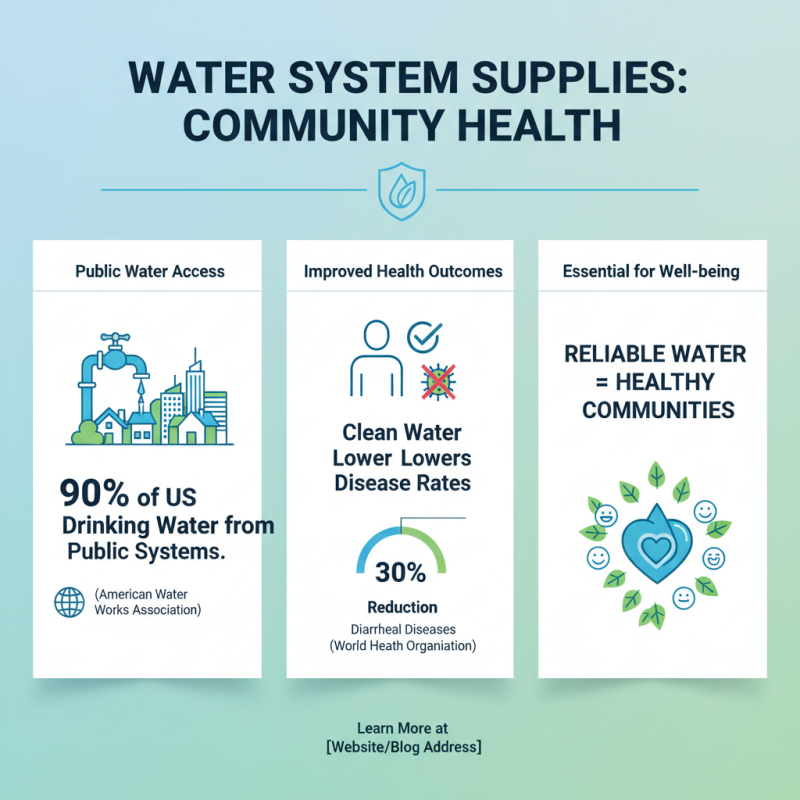
Water system supplies are vital for community health and well-being. According to the American Water Works Association, about 90% of drinking water sources are public systems. Access to clean water contributes to lower disease rates. The World Health Organization states that improved water supply and sanitation can reduce diarrheal diseases by up to 30%. This makes reliable water systems essential.
Communities thrive when they have sustainable water supplies. Many regions face water scarcity. In fact, the United Nations predicts that by 2025, two-thirds of the global population may live in water-stressed areas. These challenges demand innovative solutions to ensure all community members have access to clean water. Poor infrastructure and maintenance often lead to inefficiencies. Moreover, aging pipelines can cause significant water loss, often going unnoticed.
In addition, communities with robust water systems enjoy economic benefits. Local businesses depend on consistent water supply for production. Research shows that each dollar invested in water systems yields returns of up to $4 in economic benefits. However, the lack of public investment in these systems reflects a gap in priorities. This requires reflection and action from both local authorities and citizens.