Why Water Solutions Systems Are Essential for Sustainable Living
Water solutions systems play a crucial role in promoting sustainable living. These systems help conserve resources and ensure clean water access. They are essential for communities facing water scarcity and pollution.
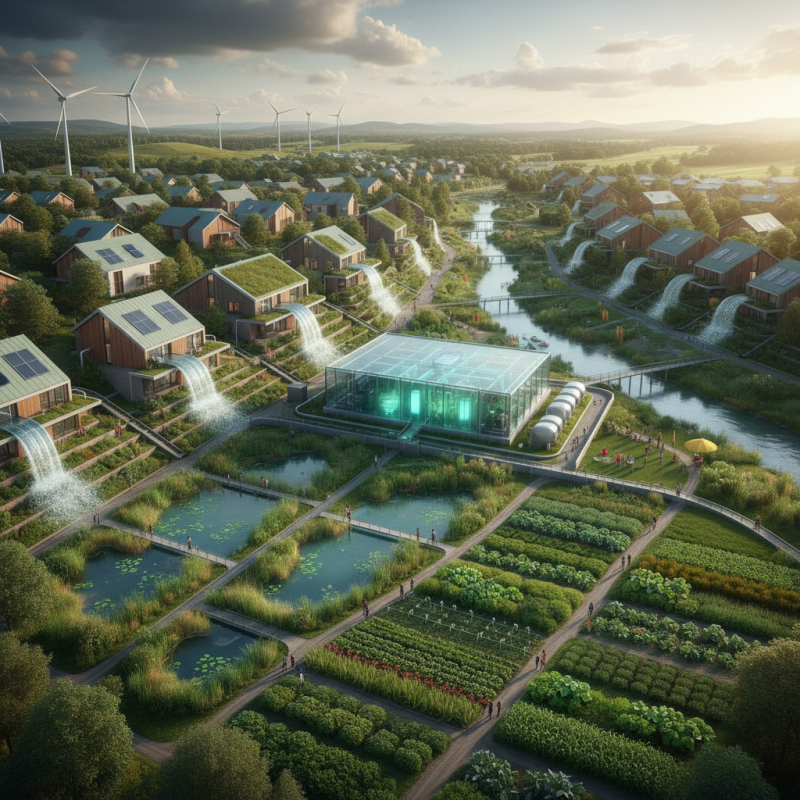
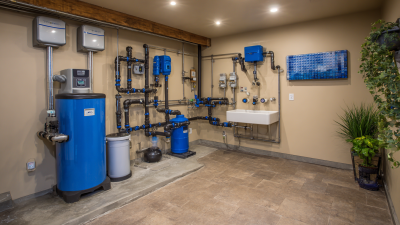
Imagine a world where every home has a reliable water source. Water solutions systems can make this a reality. They include rainwater harvesting, wastewater treatment, and efficient irrigation methods. Each system addresses different water challenges and improves overall quality of life.
However, the implementation of these systems is not without flaws. Some regions struggle with the high costs of infrastructure. Others face challenges in maintenance and community involvement. Reflection on these issues can lead to better designs and practices. Sustainable living relies on better management of water resources and innovative solutions.
Importance of Water Solutions in Sustainable Living
Water solutions play a crucial role in sustainable living. As water scarcity increases, effective management becomes necessary. Access to clean water impacts health, agriculture, and the environment. It supports biodiversity and maintains ecosystems. Without it, communities struggle to thrive.
Here are some tips to enhance water solutions in daily life. Collect rainwater for gardening. This reduces reliance on municipal supply. Use water-efficient appliances. Small changes in habits can lead to significant savings. Education on water use is essential. Awareness can drive community engagement on sustainable practices.
However, many overlook water's role in sustainability. People often waste water without thinking. It's easy to fill a bathtub, but do we consider the source? Reflection on our habits can lead to change. Each drop counts. By prioritizing water solutions, we can contribute to a healthier planet.
Overview of Water Management Systems and Their Functionality
Water management systems play a vital role in sustainable living. They ensure efficient water use and distribution. According to the United Nations, by 2025, 1.8 billion people will live in regions with absolute water scarcity. This emphasizes the need for effective water solutions.
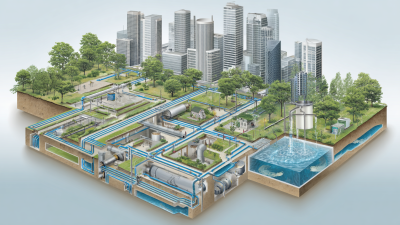
These systems offer a variety of functionalities. They include rainwater harvesting, wastewater treatment, and smart irrigation. In urban areas, for example, effective rainwater systems can capture significant amounts of runoff. This helps recharge aquifers and reduces stormwater pollution. A study shows that utilizing rainwater can save up to 50% of traditional water use in households.
However, challenges persist. Many existing systems are outdated and inefficient. Nearly 30% of urban water is lost through leaks, showing a need for innovation. Transitioning to modern technologies can be costly but is necessary for sustainability. As we rethink our water solutions, we must prioritize systems that can adapt and thrive in today’s changing environment.
Why Water Solutions Systems Are Essential for Sustainable Living - Overview of Water Management Systems and Their Functionality
| System Type |
Functionality |
Benefits |
Sustainability Impact |
| Rainwater Harvesting |
Collecting and storing rainwater for future use. |
Reduces reliance on groundwater, cost savings. |
Promotes responsible water usage and conservation. |
| Greywater Recycling |
Reusing water from baths, sinks, and washing machines. |
Decreases fresh water consumption, environmentally friendly. |
Minimizes waste and promotes efficient use of resources. |
| Drip Irrigation |
Delivering water directly to the base of plants. |
Maximizes water efficiency, reduces runoff. |
Supports sustainable agriculture practices. |
| Wastewater Treatment |
Processing sewage and wastewater for safe discharge or reuse. |
Protects water quality, public health benefits. |
Reduces pollution and promotes clean water access. |
| Desalination |
Turning seawater into freshwater through filtration. |
Provides an alternative water source. |
Addresses water scarcity in coastal regions. |
Key Technologies in Water Solutions for Environmental Sustainability
Water solutions systems are vital for achieving environmental sustainability. These systems utilize innovative technologies to ensure clean and safe water access. One key technology is rainwater harvesting. This method collects 雨水 and stores it for future use. It encourages conservation and helps reduce over-reliance on municipal water supplies.
Another significant technology is water filtration and purification. By filtering contaminants, we can protect public health. Solar-powered purifiers are an excellent example of sustainable technology. They harness renewable energy, making filtration accessible even in remote areas. However, the effectiveness of these systems can sometimes vary. Regular maintenance is essential to keep them functioning optimally.
Tips: Evaluate your local water supply. Look for ways to implement rainwater harvesting. Consider investing in solar purifiers to enhance your home’s sustainability. Little steps can lead to significant changes. Don’t hesitate to learn from flawed practices. Every improvement adds to a sustainable future.
Challenges in Implementing Effective Water Systems Globally
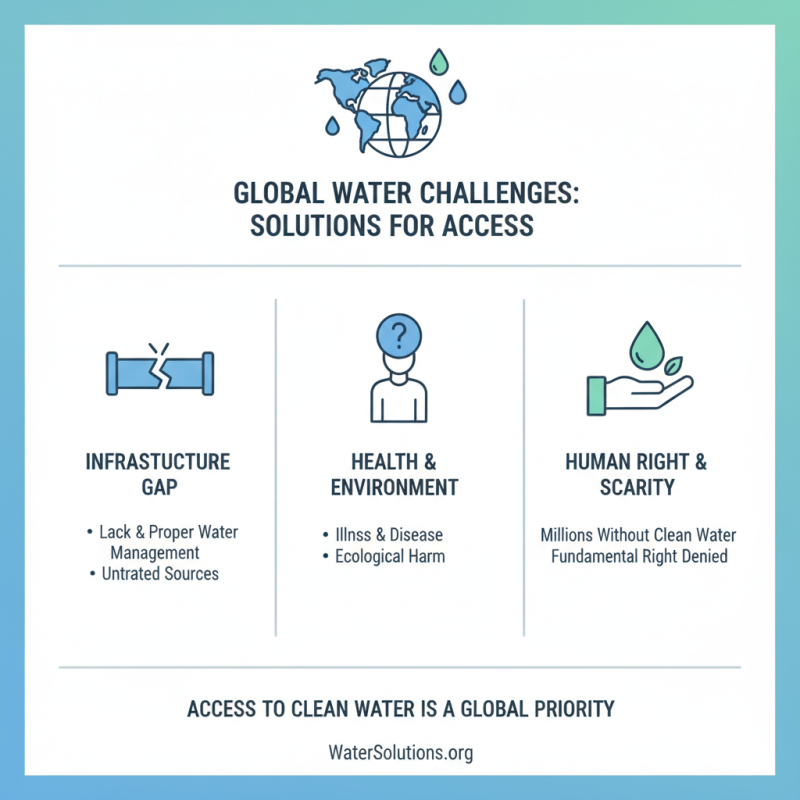
Implementing effective water solutions globally presents numerous challenges. Many regions lack the infrastructure for proper water management. In rural areas, communities often rely on untreated water sources. This situation leads to health risks and environmental degradation. Access to clean water is a fundamental human right. Yet, millions still struggle with water scarcity.
Financial constraints hinder the development of sustainable systems. Governments face tough choices on funding for water projects. Often, funds are directed elsewhere, leaving water initiatives under-resourced. Additionally, local governance plays a crucial role. In some places, mismanagement of resources leads to wasted potential. Educating communities about water conservation is vital yet often overlooked.
Cultural factors also complicate implementation. Different beliefs about water use can clash with modern practices. Awareness programs must be sensitive to local perspectives. Without community buy-in, initiatives often fail. Grassroots involvement can enhance accountability and effectiveness. Regular assessments can reveal gaps in current systems. Reflecting on these hurdles is essential for future progress.
Future Trends in Water Solutions for a Sustainable Lifestyle
Water solutions are evolving rapidly, shaping our sustainable future. New technologies focus on efficient water use and conservation. Rainwater harvesting systems gain popularity in urban areas. This allows communities to reduce dependency on treated water sources. Innovations like smart irrigation systems also optimize water usage in agriculture. They help in avoiding excess watering and promote healthier crops.
Community-driven initiatives play a crucial role. More people recognize the importance of clean water sources. However, many face challenges in implementing these solutions. There is a need for education and awareness. People often struggle to understand how to best utilize these systems. Sometimes, they overlook maintenance issues that can hinder effectiveness.
Future solutions must address these gaps. Collaboration between communities and experts can enhance water systems. Sustainable living relies on everyone’s participation. Small actions lead to significant changes over time. As we adopt new technologies, we must remain mindful of our practices. Water is not just a resource; it is a shared responsibility.