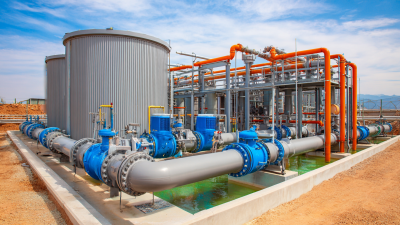
Why a Water Refining System is Essential for Clean and Safe Drinking Water
In today's world, access to clean and safe drinking water is more crucial than ever. With increasing pollution and the depletion of natural water resources, many communities are facing challenges in ensuring that their water supply is not only adequate but also safe for consumption. This is where a water refining system comes into play. By effectively removing contaminants and impurities from water, these systems serve as a vital line of defense against waterborne diseases and other health hazards.
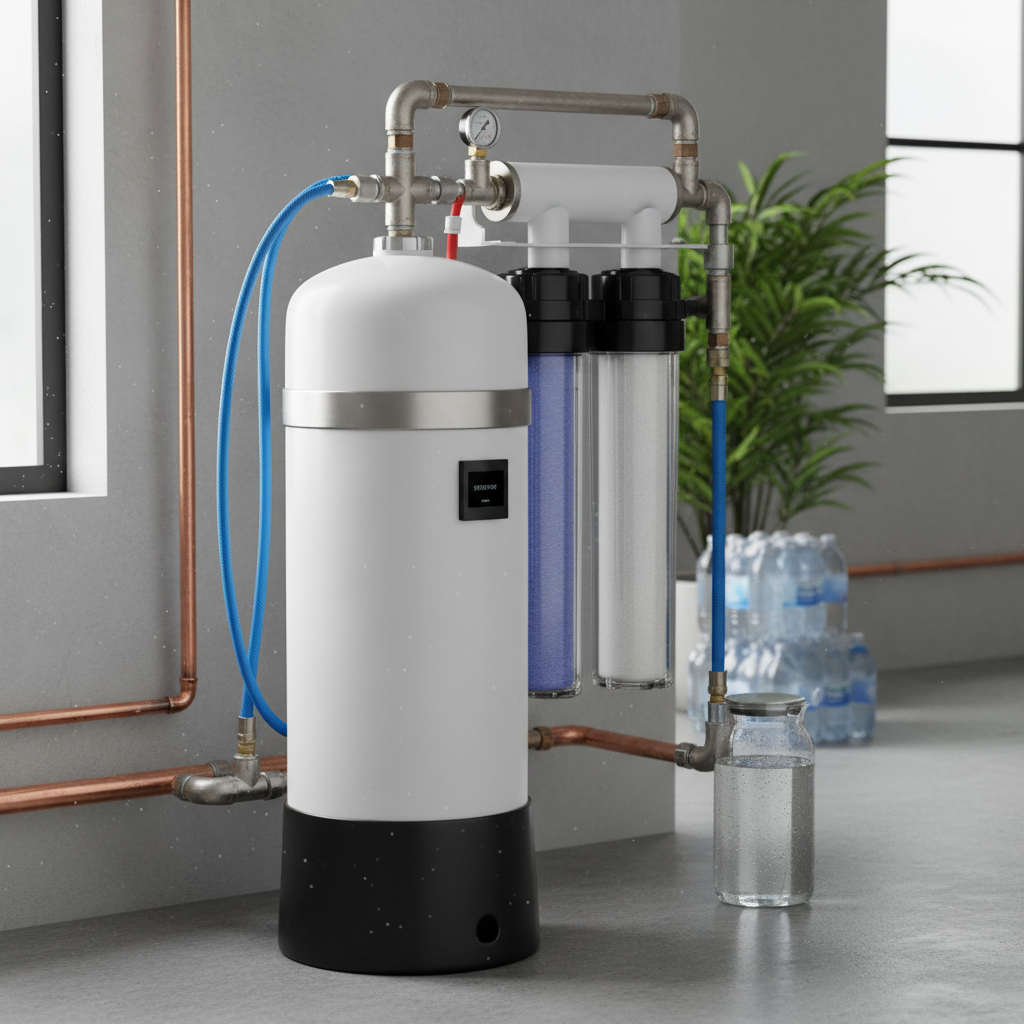
A water refining system employs advanced technologies to purify water, making it fit for human consumption. From residential use to large-scale municipal applications, these systems cater to diverse needs, ensuring that individuals and families can access safe drinking water. As we delve into the importance of water refining systems, it becomes evident that investing in such technology is more than just a choice; it's an essential step towards safeguarding public health and promoting overall well-being.
In this discussion, we will explore the top reasons why implementing a water refining system is necessary for ensuring clean and safe drinking water. By understanding the functionalities and benefits of these systems, we can appreciate their role in a sustainable and health-conscious future.
The Importance of Clean Drinking Water and Its Health Implications
Access to clean drinking water is a fundamental necessity for maintaining health and well-being.
Contaminated water poses serious health risks, leading to gastrointestinal diseases, reproductive problems, and neurological disorders.
As awareness of these risks grows, the demand for effective water purification systems rises, highlighting the importance of investing in reliable water refining technologies.
This trend reflects a broader movement toward ensuring safe drinking water, particularly in regions where natural sources may contain harmful pollutants.
In Vietnam, the market for water purification solutions is projected to expand significantly, with estimates suggesting an increase from
$523.2 million in 2024 to
$1,179.2 million by 2032.
This represents a robust compound annual growth rate of
10.7% during the forecast period.
The rising demand is driven by increasing urbanization, industrialization, and a greater emphasis on public health.
As more consumers recognize the health implications associated with contaminated water, the adoption of
water refining systems will be crucial in ensuring access to clean, safe drinking water for all,
thereby contributing to overall community health and sustainability.
How Water Refining Systems Enhance Water Quality and Taste
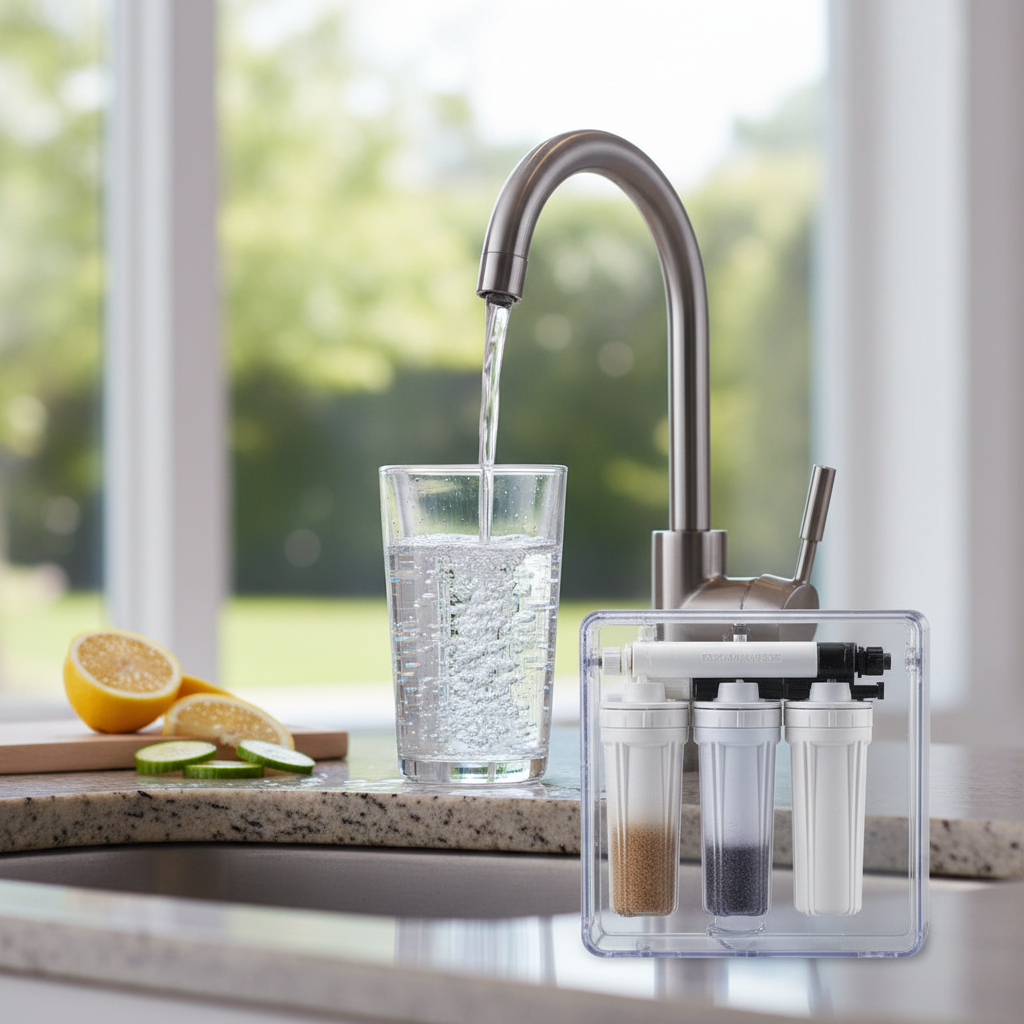
Clean and safe drinking water is a fundamental necessity, and water refining systems play a crucial role in achieving this goal. These systems utilize advanced filtration methods and technologies to remove impurities, contaminants, and harmful substances from water. As a result, not only is water rendered safer for consumption, but its overall quality and taste are significantly enhanced. Users often notice a fresher, crisper flavor, making hydration much more enjoyable.
Tips: To maximize the benefits of your water refining system, ensure you replace filters regularly according to the manufacturer's guidelines. Additionally, consider testing your water quality periodically to identify any emerging issues before they become significant.
Furthermore, water refining systems can help retain essential minerals while eliminating unwanted pollutants. This delicate balance is vital for maintaining optimal water quality and ensuring that vital nutrients remain intact. A well-maintained system not only promotes better health but can also elevate the taste of your water, creating a more appealing hydration experience for you and your family.
Tips: Experiment with adding natural flavors like lemon or mint to your purified water for an extra refreshing taste. Keeping your water refining system clean and in good condition will also contribute significantly to the enhancement of water quality.
Key Features to Look for in a Quality Water Refining System
When choosing a quality water refining system, several key features must be prioritized to ensure clean and safe drinking water. First and foremost, a robust filtration mechanism is essential. Systems utilizing multi-stage filtration, which includes reverse osmosis and activated carbon, have been shown to effectively remove up to 99% of contaminants, as highlighted in a 2022 report by the Water Quality Association. This level of filtration is critical, especially in areas where water sources may contain heavy metals or harmful microbes.
Another important feature is the system’s flow rate. A water refining system should not only purify water effectively but also deliver it at a convenient speed. According to a study published in the Journal of Water Supply, average household consumption ranges from 50 to 100 gallons per day. Thus, a system capable of handling this demand without compromising water quality is crucial for maintaining daily convenience. Additionally, consider systems with easy maintenance and filter replacement indicators, as proper upkeep ensures optimal performance and longevity of the unit. Adopting these key features can significantly enhance the safety and taste of drinking water, ultimately promoting better health for you and your family.
Water Quality Analysis: Key Features of Water Refining Systems
Case Studies: Success Stories of Water Refining Systems in Communities
In various communities across the globe, the implementation of water refining systems has transformed access to clean and safe drinking water. One striking case is found in a small village in India, where a community-managed water purification facility has improved health outcomes significantly. Prior to the installation of this system, residents frequently suffered from waterborne diseases due to contaminated sources. After the introduction of this tailored water refining solution, the incidence of these diseases dropped by nearly 70%, underscoring the system's effectiveness in enhancing public health.
Another success story can be observed in a rural area of sub-Saharan Africa, where a solar-powered water refining system was installed. This innovative approach not only provided clean water but also harnessed renewable energy, fostering sustainability. Residents reported feeling energized by the availability of safe drinking water, as it allowed children to attend school regularly without the burden of illness. Furthermore, this system has encouraged local entrepreneurship, with community members setting up small businesses utilizing the purified water, thereby boosting the local economy. These case studies illustrate the profound impact that water refining systems can have on community well-being and economic development.
Case Studies: Success Stories of Water Refining Systems in Communities
| Community |
Location |
Population Served |
Refining Technology |
Impact on Water Quality |
Year Implemented |
| Green Valley |
California, USA |
5,000 |
Reverse Osmosis |
Reduction in contaminants by 95% |
2020 |
| Blue Lake |
Ontario, Canada |
3,200 |
Ultrafiltration |
Elimination of bacteria and viruses |
2019 |
| River Bend |
New South Wales, Australia |
10,000 |
Activated Carbon Filtration |
Improved taste and odor of water |
2021 |
| Sunnyvale |
Florida, USA |
4,500 |
Dissolved Air Flotation |
Increased clarity and reduced turbidity |
2022 |
| Hilltop |
England, UK |
2,800 |
Ion Exchange |
Reduced hardness, improved water softness |
2023 |
Future Trends in Water Refining Technology for Safe Drinking Water
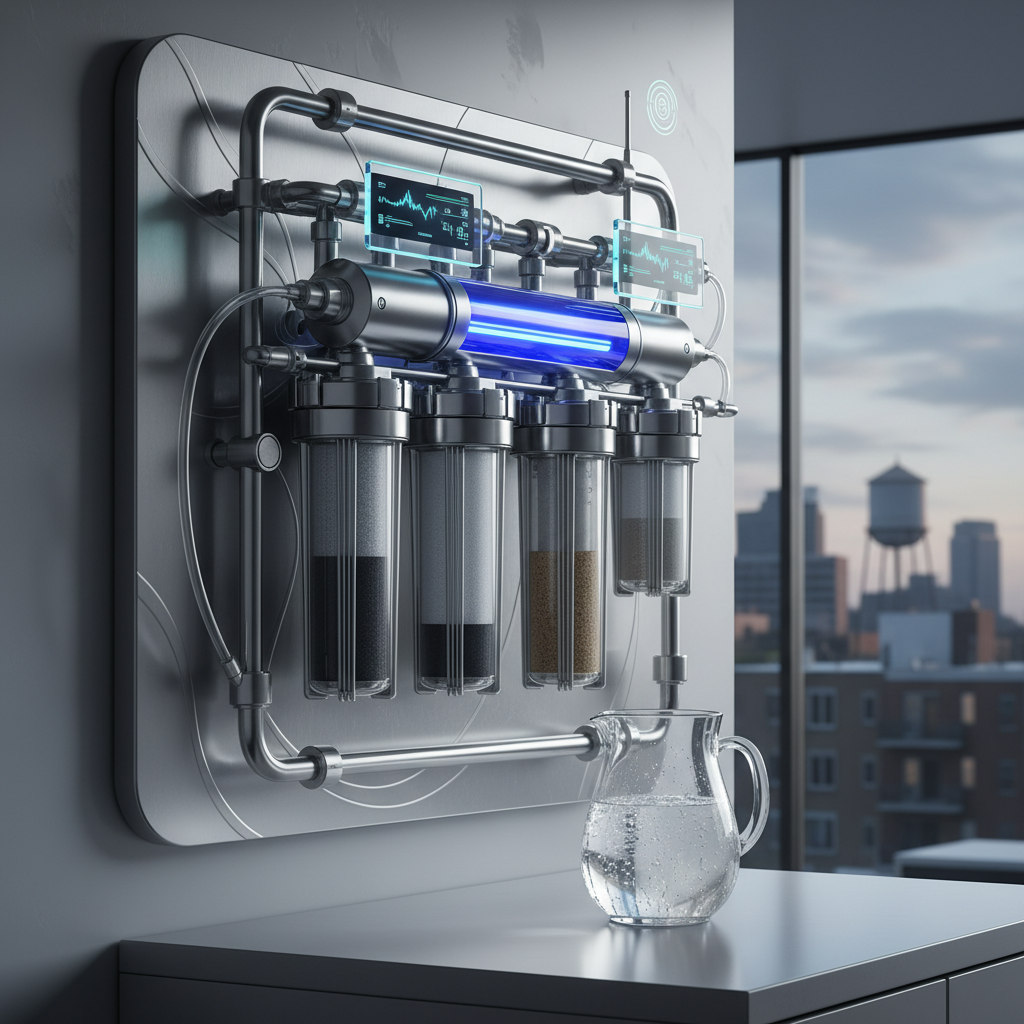
As the demand for clean drinking water continues to rise globally, advancements in water refining technology are paramount. Innovations such as advanced filtration systems, reverse osmosis, and ultraviolet purification are increasingly being integrated into household and municipal water systems. These technologies not only improve water quality by eliminating contaminants but also enhance the efficiency of refining processes. For instance, smart sensors linked to IoT can monitor water quality in real-time, providing immediate alerts on pollutants and enabling timely interventions.
In addition to efficiency, the future of water refining technology lies in sustainability. Emerging methods such as solar-powered desalination and bio-inspired filtration systems promise to reduce energy consumption and carbon footprints. Companies are investing in research to develop materials that mimic natural filtration processes, which can provide more effective purification at lower costs. As these technologies evolve, they will play a crucial role in ensuring safe drinking water in an increasingly water-scarce world, supporting public health and environmental conservation simultaneously.