What is a Water Reclamation System and How Does It Work?
Water reclamation systems play a crucial role in sustainable water management. As global water scarcity intensifies, these systems offer innovative solutions to recycle wastewater. A recent report by the Global Water Association highlights that nearly 80% of wastewater can be treated and reused. This presents significant opportunities for industries aiming for cleaner operational practices.
Dr. Emily Reynolds, a leading expert in water resources, emphasizes, "Water reclamation systems are vital for preserving our most precious resource." However, implementing these systems is not without challenges. Infrastructure costs can be high, and public perception may hinder acceptance. The complexities of treatment processes require continuous improvements and education.
Some regions have successfully integrated water reclamation into their infrastructure. Yet, many still lack efficient systems. This disparity raises questions about accessibility and equity in water sustainability. As we strive for better solutions, understanding the intricacies of water reclamation systems must remain a priority. Addressing these issues will lead us toward a more sustainable future.
What is a Water Reclamation System?
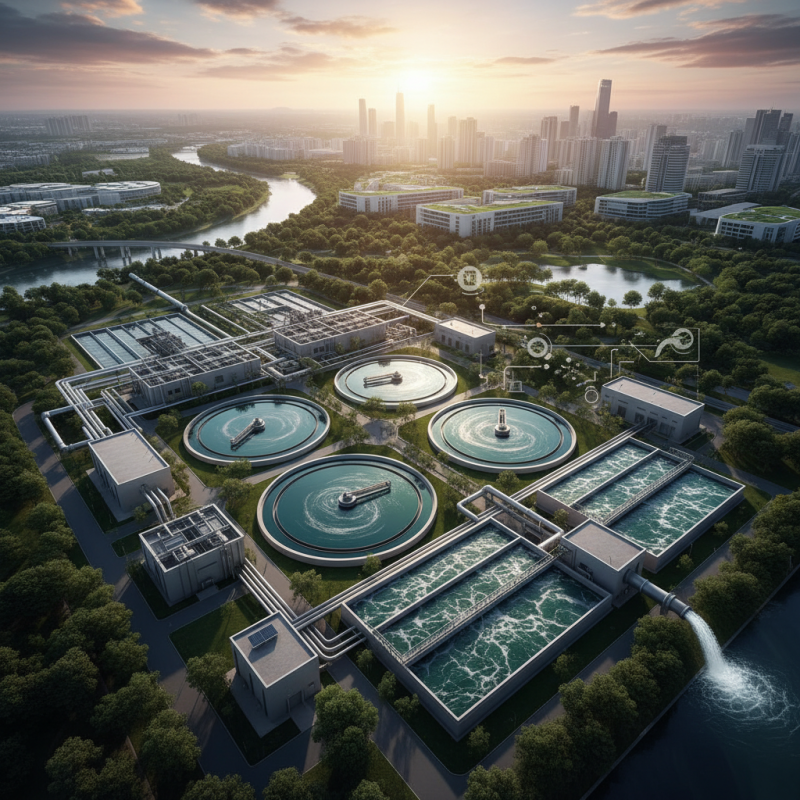
A water reclamation system is a technology designed to reuse wastewater. It involves treating used water to remove impurities. This water can then be repurposed for various applications.
Typically, this system follows several steps. First, it collects wastewater from homes and industries. Next, it undergoes filtration to remove large particles. Then, microorganisms break down organic matter. After that, chemical treatments remove harmful substances. Finally, the purified water is ready for use.
While these systems are efficient, they also face challenges. Public perception can be a barrier, as many people hesitate to use reclaimed water. Additionally, maintaining equipment requires ongoing attention and funding. These issues highlight the need for innovation and education in water reclamation practices.
Key Components of a Water Reclamation System
A water reclamation system is a complex but essential setup. It transforms wastewater into water that can be reused. The primary components make this system functional and efficient.
Key components include screens, which capture large debris. This step is critical to prevent damage to later equipment. After screening, the water goes through primary treatment. In this stage, solids settle at the bottom, leaving cleaner water above. Aeration tanks add oxygen during secondary treatment. Microorganisms break down organic matter, further purifying the water.
Even after these processes, challenges remain. Not all contaminants are removed effectively. Some systems struggle with chemical pollutants, which can linger. Filtration and disinfection methods are also vital. They ensure pathogens are eliminated. Yet, some systems may not have state-of-the-art technology, leading to inefficiencies. Regular maintenance is a constant challenge, as operational failures can affect the entire process. The balance between efficiency and maintenance remains a topic for reflection.
The Process of Water Reclamation: Step-by-Step
Water reclamation is an essential process that aims to treat wastewater for reuse. The steps involved in this process are crucial for understanding its effectiveness and efficiency. The first stage is screening, where large debris like sticks and leaves are removed. This ensures that the following processes run smoothly. After screening, the water undergoes primary treatment. Here, solids settle out, reducing contaminants significantly.
The secondary treatment phase is where things get interesting. Microorganisms break down organic matter in aeration tanks. This is vital because about 90% of organic pollutants can be removed. However, not all systems achieve this level of efficiency. The final step is disinfection, often using chlorine or ultraviolet light. This step is essential to ensure that harmful pathogens are eliminated. Research shows that effective water reclamation can lead to almost 99% removal of contaminants in some systems.
Despite advancements, challenges remain. Maintenance issues can lead to inefficiencies. Additionally, public perception of treated water can hinder adoption in communities. Meeting regulations is crucial, yet some areas still face setbacks. Balancing treatment costs and environmental impacts is a continuous struggle. This means ongoing innovation and adaptation are needed to enhance the reclamation process.
Benefits and Applications of Water Reclamation Systems
Water reclamation systems are essential for sustainable water use. They treat wastewater and make it reusable. This process helps conserve fresh water resources. These systems can be seen in many places, from urban areas to agricultural fields.
The benefits of water reclamation systems are numerous. They reduce the demand for potable water. This is crucial in drought-prone regions. Cleaned water can be used for irrigation, cooling systems, and even landscaping.
There are challenges, however. Public perception and regulations may hinder adoption. Some systems may not always provide water of desired quality, necessitating further treatment.
Applications of these systems are varied. Industries often reclaim water for production processes, thus minimizing waste. Municipalities use them to manage wastewater and enhance environmental sustainability.
Education about their benefits is vital. People need to understand that reclaimed water can be safe and beneficial.
However, hesitation remains, as some fear contaminants may still be present. Balancing confidence and practicality is key to the future of water reclamation.
Challenges and Future Trends in Water Reclamation Technology
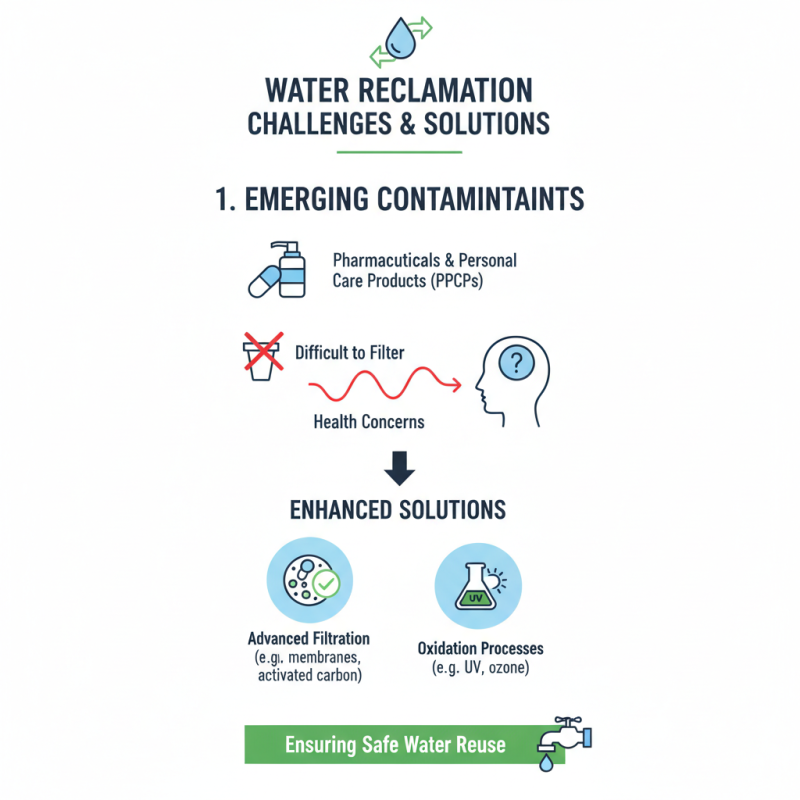
Water reclamation technology faces several challenges that must be addressed to improve its effectiveness. One major issue is the treatment of emerging contaminants. These pollutants, such as pharmaceuticals and personal care products, are difficult to remove. Current technologies may not adequately filter them, which raises health concerns. We need to enhance our processes to ensure water quality remains safe for reuse.
As we look to the future, innovation will play a crucial role. Advanced filtration systems and biological treatments are being explored. Integrating smart technologies can help monitor water quality in real-time. However, the adoption of new technologies often comes with a hefty price tag. Many municipalities struggle to secure adequate funding for upgrades. Balancing environmental needs with economic constraints can be challenging.
Public perception of reclaimed water also presents hurdles. Many people remain hesitant to accept recycled water as safe. Education and outreach are essential. We must foster awareness about the benefits of water reclamation. Transparency in water quality testing can build trust. Overcoming these obstacles requires collaboration among governments, scientists, and communities. The path forward will not be simple, but it's necessary for sustainable water management.