Top Water Reclamation Systems for Sustainable Water Management?
Water scarcity is a pressing issue globally. As populations grow, the demand for clean water increases. This situation drives innovation in water management. Water reclamation systems stand out as a key solution.
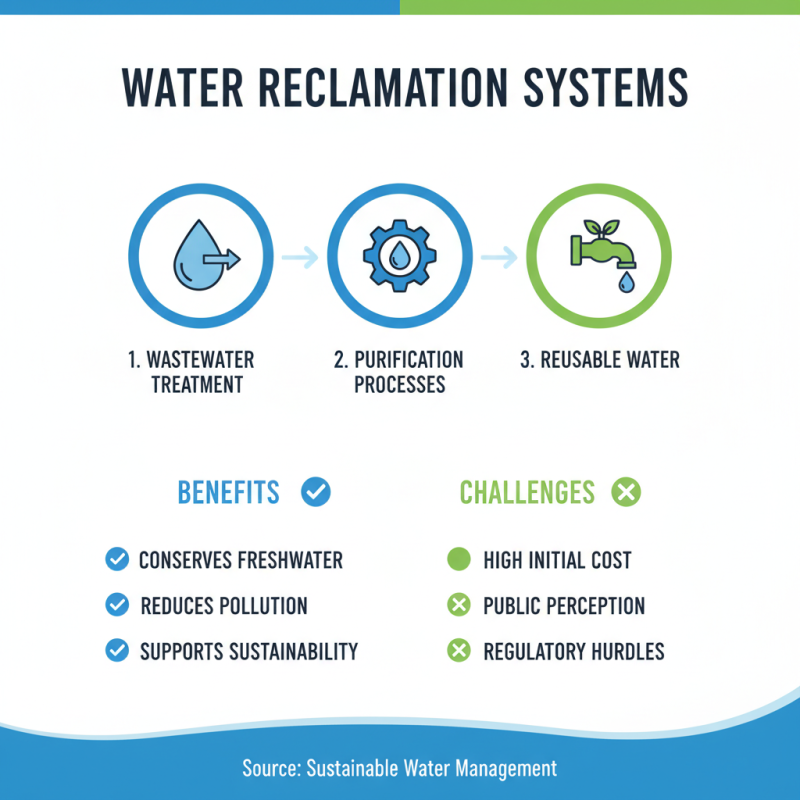
These systems treat and recycle water, making it reusable for various purposes. They help reduce the strain on freshwater sources. However, not all systems are created equal. Effectiveness varies based on technology and local conditions. Some systems have faced criticism for high costs or inefficiencies.
The potential for water reclamation systems is enormous. They can support agriculture, relieve pressure on treatment plants, and promote sustainability. Yet, challenges remain. Public perception, policy support, and technological advancements must align. Sustainable water management requires careful consideration of these factors.
Overview of Water Reclamation Systems and Their Importance
Water reclamation systems play a crucial role in sustainable water management. These systems are designed to treat wastewater and make it reusable for various purposes. According to a report by the Water Environment Federation, around 80% of the total water used does not get adequately treated. This highlights the pressing need for efficient reclamation technologies.
One major benefit of water reclamation is resource conservation. Using treated water for irrigation can significantly reduce the demand for fresh water. In fact, the U.S. Environmental Protection Agency states that using reclaimed water for irrigation can save up to 50% of potable water. However, public perception remains a challenge. Some communities are hesitant to accept reclaimed water, even when it's proven safe. This reluctance can hinder the development of new projects.
The importance of these systems extends beyond conservation. Water reclamation can mitigate the effects of drought and climate change. As urban populations grow, the strain on water resources increases. A study published in the Journal of Water Resource Planning highlights that implementing advanced reclamation systems can reduce the urban water footprint by up to 30%. Addressing these technologies is essential for future sustainability. Yet, there is still much to improve in terms of efficiency and public awareness.
Top Water Reclamation Systems for Sustainable Water Management
Key Technologies in Water Reclamation: Processes and Innovations
Water reclamation systems play a vital role in sustainable water management. Technologies in this field have evolved significantly. Advanced purification processes, like membrane bioreactors, enhance water quality. According to a report by the International Water Association, these systems can reduce pollutants by over 90%. This results in cleaner water for reuse in agricultural and industrial applications.
Innovations in water reclamation focus on energy efficiency and cost reduction. For instance, solar-powered desalination is gaining traction in arid regions. This method not only saves money but also minimizes environmental impact. However, many systems still face challenges. High maintenance costs and complex operation hinder widespread adoption. There is a need for user-friendly designs and effective training programs.
Despite advances, the implementation of these technologies isn’t flawless. Some regions struggle with public acceptance of reclaimed water. Education and awareness campaigns are crucial to build trust. All stakeholders must collaborate for better practices. Water scarcity is pressing. Ignoring the potential in reclamation will have long-term consequences. Balancing innovation with community needs is key.
Case Studies: Successful Implementations of Water Reclamation Systems
Water reclamation systems play a vital role in sustainable water management. In many areas, these systems have transformed how communities use and conserve water. One notable case comes from a city that implemented a dual-pipe system, allowing treated wastewater to be reused for irrigation and industrial processes. This significantly reduced their reliance on freshwater sources.
However, the journey of implementing water reclamation is not without challenges. Some areas face public resistance and a lack of understanding about the treatment process. Education is key. Community workshops helped bridge this gap, fostering trust in the safety and reliability of reclaimed water. Still, there are lingering concerns about contaminants. Open dialogue is crucial to address these fears.
Another example involves a university campus adopting a greywater recycling system. The initiative provided water for toilet flushing and landscaping. Metrics showed significant water savings. Yet, establishing a maintenance plan was overlooked initially, leading to operational issues. Reflection on this experience highlights the importance of planning beyond implementation, ensuring long-term success in water reclamation efforts.
Top Water Reclamation Systems for Sustainable Water Management
| Location |
Technology Used |
Water Reclaimed (Million Gallons/Day) |
Year of Implementation |
Treatment Process |
| City A |
Reverse Osmosis |
5 |
2018 |
Membrane Filtration |
| City B |
Aerobic Treatment |
3 |
2020 |
Activated Sludge |
| City C |
Constructed Wetlands |
2 |
2019 |
Natural Filtration |
| City D |
UV Disinfection |
4 |
2021 |
Chemical & Physical Treatment |
| City E |
Microfiltration |
6 |
2022 |
Membrane Separation |
Future Trends in Water Reclamation and Sustainable Water Management
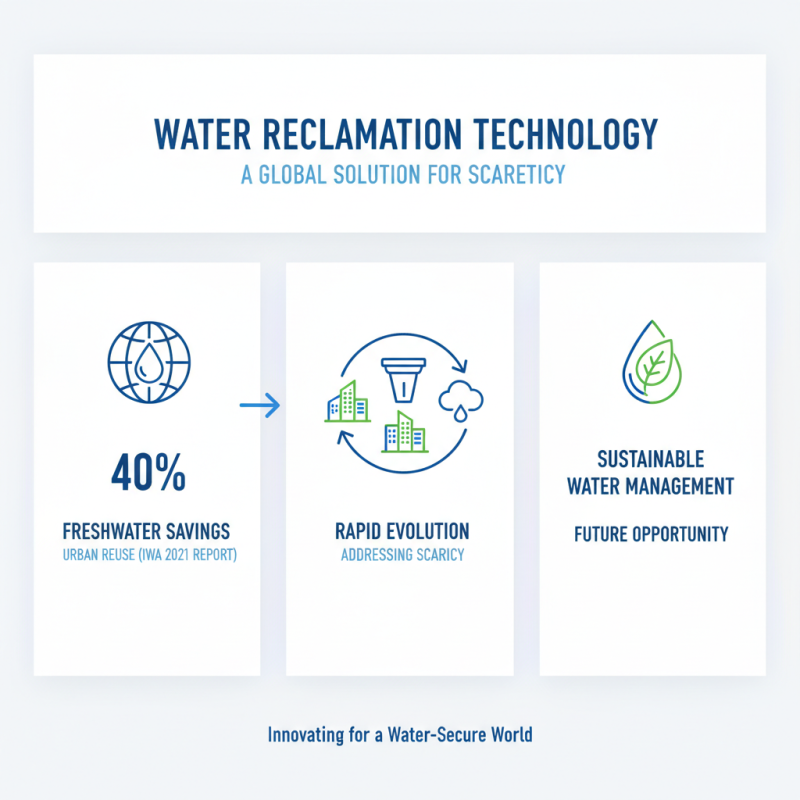
Water reclamation technology is evolving rapidly. It aims to address water scarcity issues worldwide. In urban areas, water reuse can save up to 40% of freshwater resources, according to a 2021 report by the International Water Association (IWA). This presents a significant opportunity for sustainable water management.
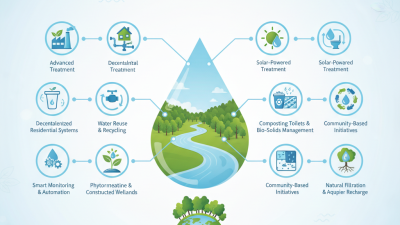
The future of water reclamation will feature innovative systems like decentralized treatment plants. Such systems can be installed near points of use, simplifying the process. Data show that these localized systems could reduce transportation costs by over 30%. However, not all municipalities are ready to embrace this change. Regulatory hurdles and public perception pose challenges that need addressing.
Emerging trends also highlight advanced filtration methods. For instance, membrane bioreactors (MBR) are gaining traction. They offer high-quality effluent, suitable for non-potable applications. Yet, the high energy consumption of MBRs raises concerns. Balancing efficiency with sustainability remains a critical debate in the field. As we move forward, ongoing research and community engagement will be vital for success.