
Top A3 A4 TPU UV DTF Film Sheets for Bulk Buyers

Choosing the right A3 / A4 TPU UV DTF Film Sheets can shape production speed, print quality, and customer satisfaction. Bulk buyers need more than attractive samples. They need stable performance across repeated orders.

This guide examines film clarity, TPU flexibility, adhesive strength, release consistency, and surface compatibility. It also considers practical details, including sheet alignment, ink curing, packaging, and storage conditions. Experienced print operators often test small batches before approving large purchases. A clean transfer on one sample proves little. Real reliability appears across different designs, colors, and application surfaces.

Supplier documentation matters. Buyers should review thickness data, temperature guidance, recommended curing settings, and quality-control procedures. They should also request current samples from the same production batch. Small differences can affect cutting, peeling, and final adhesion. Keep records. They help compare suppliers honestly.

Some evaluation mistakes are easy to make. Gloss can hide weak adhesion. Fast shipping cannot repair inconsistent film. A lower unit price may create more waste. I have found that practical testing sometimes challenges the first impression. That is useful. It reveals what product photos cannot show.

The following sections compare suitable options for commercial users, resellers, and growing print businesses. The focus remains simple: dependable output, clear specifications, and sensible bulk purchasing decisions. No film performs perfectly in every condition. Careful testing still provides the strongest starting point.
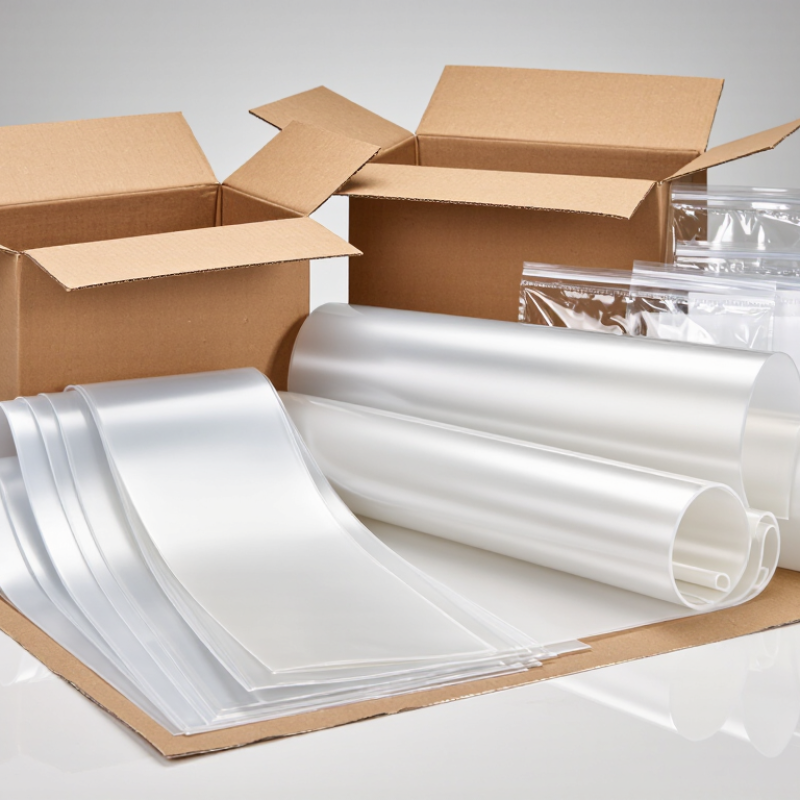
Top A3 A4 TPU UV DTF Film Sheets for Bulk Buyers

What A3 and A4 TPU UV DTF Film Sheets Are

A3 and A4 TPU UV DTF film sheets are flexible transfer materials for producing detailed, adhesive-backed graphics. A3 measures 297 × 420 millimeters, while A4 measures 210 × 297 millimeters. The sheet normally includes a printable film and a carrier film. UV-curable ink forms the image on the printable surface, then pressure bonds it to the carrier. After lamination, the design can transfer onto smooth items such as coated metal, glass, acrylic, and selected plastics.

TPU gives the film useful softness, stretch, and resistance to cracking during handling. However, TPU is not automatically suitable for every surface. Surface energy, cleanliness, and curing strength still affect adhesion. Grand View Research estimated the global digital printing market at about USD 28.9 billion in 2023, with continued growth through 2030. A 2024 Smithers analysis also identified shorter runs and customized graphics as important digital-printing drivers. These figures support demand, but they do not guarantee a perfect transfer. My own production checks would still include peel testing after 24 hours.

Tips: Choose A3 sheets for larger logos and fewer joins. Use A4 sheets for samples, labels, and small-batch orders. Keep films flat and sealed. Humidity can affect dust, curl, and lamination. Check the actual printable area, not only the advertised sheet size. Slightly imperfect alignment is common during manual application, so leave a small trimming margin.

Key Features to Compare When Buying TPU UV DTF Film

Top A3 A4 TPU UV DTF Film Sheets for Bulk Buyers

Bulk buyers should compare more than sheet price when selecting TPU UV DTF film. Consistent A3 and A4 sizing improves cutting, nesting, and packaging efficiency. Check thickness tolerance carefully, because uneven TPU can cause wrinkles during lamination. Ask for samples from different production lots. Small variation matters.

Print clarity depends on surface smoothness, coating uniformity, and ink adhesion. Inspect fine text, solid color areas, and curved edges after transfer. A reliable film should peel cleanly without lifting small details. The release liner should remain flat during storage and feeding. Confirm compatibility with your printer, ink system, curing settings, and laminating process before placing a large order. One assumption I had to revise was that thicker film always performs better. It may feel stronger, yet excessive thickness can reduce flexibility on curved products.

Tips: Store film sealed, dry, and away from direct sunlight. Test a small batch first. Record temperature, pressure, and curing time for repeatable results. Compare waste rates, not only purchase prices. A low-cost sheet can become expensive when dust, curling, or weak adhesion slows production. Check carton protection too, since bent corners can damage usable printing space. Suppliers should provide clear specifications, inspection records, and responsive technical support. Reliability is proven during repeated production, not by one successful sample.

Top A3 A4 TPU UV DTF Film Sheets for Bulk Buyers - Key Features to Compare When Buying TPU UV DTF Film

Film Profile Available Sheet Size Typical Thickness Surface Finish Recommended UV DTF Use Adhesive and Transfer Behavior Suitable Substrates Typical Pack Options Key Bulk-Buying Advantage
A3 Standard TPU Film Sheet A3: 297 × 420 mm
Approx. 11.7 × 16.5 in
Approximately 75–100 microns Clear, high-gloss surface for vibrant UV-printed graphics Medium- to high-volume decals, logos, labels, and decorative graphics Designed for clean separation after printing and curing; pressure-sensitive transfer layer supports application to smooth surfaces Glass, coated metal, acrylic, ceramics, plastic, wood, and other smooth hard surfaces 50, 100, or 200 sheets per pack Larger working area reduces sheet changes and improves production efficiency
A4 Standard TPU Film Sheet A4: 210 × 297 mm
Approx. 8.3 × 11.7 in
Approximately 75–100 microns Clear gloss with a smooth printable face Small-format logos, product personalization, samples, and short production runs Easy to handle on desktop UV DTF equipment; suitable for controlled cold-peel transfer after curing Glassware, phone cases, tumblers, acrylic signs, coated packaging, and smooth plastics 50, 100, or 200 sheets per pack Lower material consumption and easier handling for smaller artwork
A3 Heavy-Duty TPU Film Sheet A3: 297 × 420 mm
Approx. 11.7 × 16.5 in
Approximately 100–125 microns High-gloss clear finish with greater body and rigidity Large graphics, dense ink coverage, and jobs requiring easier positioning More rigid than standard film; helps reduce curling during loading and improves manual alignment Flat glass, metal panels, rigid acrylic, ceramics, coated wood, and firm plastic surfaces 50 or 100 sheets per pack Better dimensional stability for larger or ink-heavy transfers
A4 Matte-Effect TPU Film Sheet A4: 210 × 297 mm
Approx. 8.3 × 11.7 in
Approximately 75–100 microns Low-glare or satin surface, depending on the film construction Decorative products where reduced reflection is preferred Requires a clean, even application surface; matte appearance may slightly soften perceived color intensity compared with gloss film Matte-coated metal, acrylic, plastic, ceramics, packaging, and selected finished wood surfaces 50, 100, or 200 sheets per pack Offers a different visual effect for premium or low-reflection product designs
Mixed A3/A4 Evaluation Pack A3 and A4 sheets in one assortment Usually 75–100 microns Usually clear gloss; confirm finish before ordering Artwork testing, equipment setup, substrate trials, and purchasing validation Allows comparison of feeding, printing, curing, peeling, and adhesion before committing to a large quantity Best tested on the actual hard substrates used in production Commonly 25–50 sheets in total Reduces the risk of a large order that does not match the printer or application process
Buying note: Sheet dimensions, thickness, adhesive strength, peel timing, surface finish, and printer compatibility can vary by supplier and production batch. For bulk orders, request a technical data sheet and test samples before approving the full quantity. Store unused film flat in its original packaging, away from direct sunlight, excessive heat, dust, and high humidity.

How to Choose Film Sheets for Different Printing Needs

For bulk buyers, film selection should begin with the artwork, not the carton price.
A3 sheets measure 297 × 420 mm, while A4 sheets measure 210 × 297 mm. A4 suits small logos, labels, and sampling with less unused material. A3 supports wider graphics or multiple transfers per sheet. TPU-based film adds flexibility, but flexibility alone does not guarantee clean adhesion.

Grand View Research estimated the global UV-curable inks market at about USD 1.9 billion in 2023, with strong growth expected through 2030. This supports continued demand for UV transfer workflows, but buyers should test compatibility carefully.

Check coating, release behavior, static control, and adhesive performance on the actual substrate. For curved items, a softer film may reduce edge lifting. For rigid surfaces, excessive softness can make positioning slower.

I recommend testing 10 to 20 sheets before ordering pallets. Record peel temperature, pressing time, humidity, and storage conditions. Keep sheets flat, sealed, and away from direct heat.

A technical review by Smithers on digital print production also emphasizes process consistency and waste control as major purchasing factors. That matters in real production. A cheaper A3 sheet can cost more when trimming, misalignment, or failed transfers increase.

I still recheck color adhesion after 24 hours, because first-day results can be misleading. The perfect sheet does not exist. The right sheet matches the printer, artwork, surface, and operator’s habits.

Bulk Purchasing Factors: Quality, Pricing, and Packaging

For bulk buyers, A3 and A4 TPU UV DTF film sheets should be judged through repeatable production tests. Check surface clarity, coating uniformity, static control, and edge cutting. A smooth release layer helps the printed design transfer without lifting or clouding. Test several sheets from different cartons, not only one sample. Small variations can create visible failures.

Pricing needs more than a low sheet cost. Compare the full landed price, including shipping, protective materials, storage, and expected waste. A cheaper film may curl, absorb moisture, or require slower handling. That can reduce daily output. Calculate the reject rate from a practical test batch. Ten wasted sheets may cost more than a modest price difference. Ask for batch records, technical specifications, and compatibility guidance for your printer and curing process. Specifications matter.

Packaging protects quality before production begins. Each stack should use moisture-resistant wrapping, firm backing, and carton labels showing size, quantity, and batch number. Crushed corners are easy to notice. Hidden humidity damage is not. Store cartons flat, away from heat and direct sunlight, and inspect them before opening. No checklist catches everything. A supplier may provide excellent samples but inconsistent later batches, so retain reference samples and review every delivery. This extra step feels inconvenient, yet it reveals problems before a large order reaches customers.

Storage, Handling, and Compatibility Requirements for Buyers

Bulk buyers should treat A3 and A4 TPU UV DTF film as sensitive production materials. FESPA’s 2023 Print Census reported that 69% of print businesses saw growing demand for digital printing. That growth increases pressure on storage discipline and repeatable handling. Keep unopened film flat, sealed, and away from direct sunlight. A stable room near 20–25°C and 40–60% relative humidity is practical for most operations. ISO 291 uses 23°C and 50% humidity as a reference atmosphere for plastics testing. Let cold cartons reach room temperature before opening. Condensation can damage coating performance.

Compatibility deserves a written check, not assumptions. Confirm the film’s TPU layer, adhesive, liner, and release coating match the printer, ink, curing system, and transfer surface. Test white ink density, adhesion, edge sharpness, and peeling after 24 hours. A3 and A4 sheets may fit different feed paths, even when their thickness appears identical. Store cartons vertically only when the supplier permits it; flat stacking is often safer. Use batch labels and FIFO rotation. One weakness remains: supplier specifications vary, and “universal” claims can be too broad.

Tips: Keep a small sample archive from every batch. Record temperature, humidity, printer settings, and transfer results. Reject curled, dusty, or scratched sheets before production. Recheck old stock, even when it looks normal. Minor failures become expensive at bulk volume.

Storage

Keep unopened sheets sealed, flat, clean, and away from direct sunlight, heat, moisture, and dust. Follow the supplier’s technical data sheet for temperature and humidity limits.

Handling

Allow packaged film to reach the workroom environment before opening. Handle by the edges and avoid fingerprints, creases, pressure marks, and contact with the printable or adhesive surface.

Compatibility

Confirm sheet size, feed path, coating side, ink adhesion, adhesive behavior, curing settings, and printer clearance before committing to a bulk order.

Nominal dimensions are based on ISO 216 paper sizes. Actual printable area, coating structure, and operating limits vary by film construction and supplier specifications.

Skip to content