2025 Guide: How to Choose the Right Water Pump System for Your Needs
Selecting the right water pump system is a crucial decision that can impact the efficiency and sustainability of water management in various applications, whether for residential, agricultural, or industrial use. With diverse options available, it can be overwhelming to navigate through the various features, sizes, and types of pumps that cater to different needs. Understanding your requirements is essential in making an informed choice that aligns with your specific applications, water source conditions, and desired flow rates.
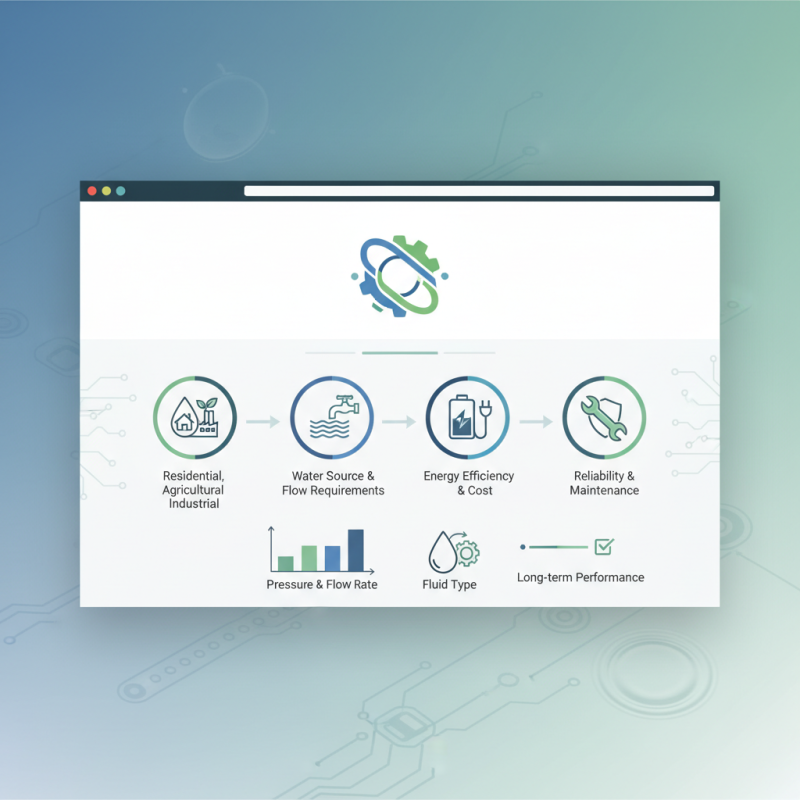
In this guide, we will outline key considerations to help you identify the most suitable water pump system for your needs. Factors such as the type of fluid to be pumped, the required pressure and flow rates, and energy efficiency should all play a significant role in your decision-making process. Additionally, we will explore the importance of reliability and maintenance needs to ensure that your chosen system will operate effectively over time. By the end of this guide, you'll be equipped with the knowledge to select a water pump system that meets your unique demands, ensuring optimal performance and longevity in your water management solution.
Understanding the Different Types of Water Pump Systems Available in 2025
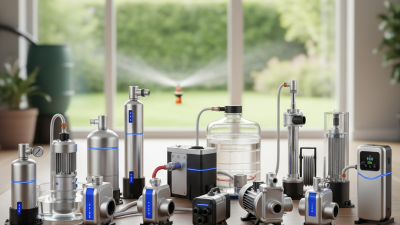
When selecting a water pump system in 2025, it's essential to understand the various types available to meet your needs. The most common categories include centrifugal pumps, submersible pumps, and positive displacement pumps.
Centrifugal pumps are widely used for their efficiency in moving large volumes of water, making them ideal for agricultural and industrial applications. These pumps work by converting rotational energy into kinetic energy, enabling a continuous flow of water.
Submersible pumps, on the other hand, are designed to operate while completely submerged in water. They are particularly useful for draining flooded areas, wells, and sewer systems. Their sealed motor prevents water from entering, ensuring reliability in harsh conditions. Positive displacement pumps are distinct in their mechanism, as they move water through a chamber with a varying volume. These pumps are often employed in scenarios requiring high pressure and precise flow control, such as in chemical processing or at construction sites.
In addition to the main types, other considerations like power source, flow rate, and maintenance needs should influence your decision. Electric and diesel-powered pumps offer different benefits; electric pumps are typically quieter and cleaner, while diesel pumps may provide more power in remote locations. Understanding the specific requirements of your application will guide you in choosing the most suitable water pump system for optimal performance.
Assessing Your Water Needs: Flow Rate and Pressure Requirements Explained
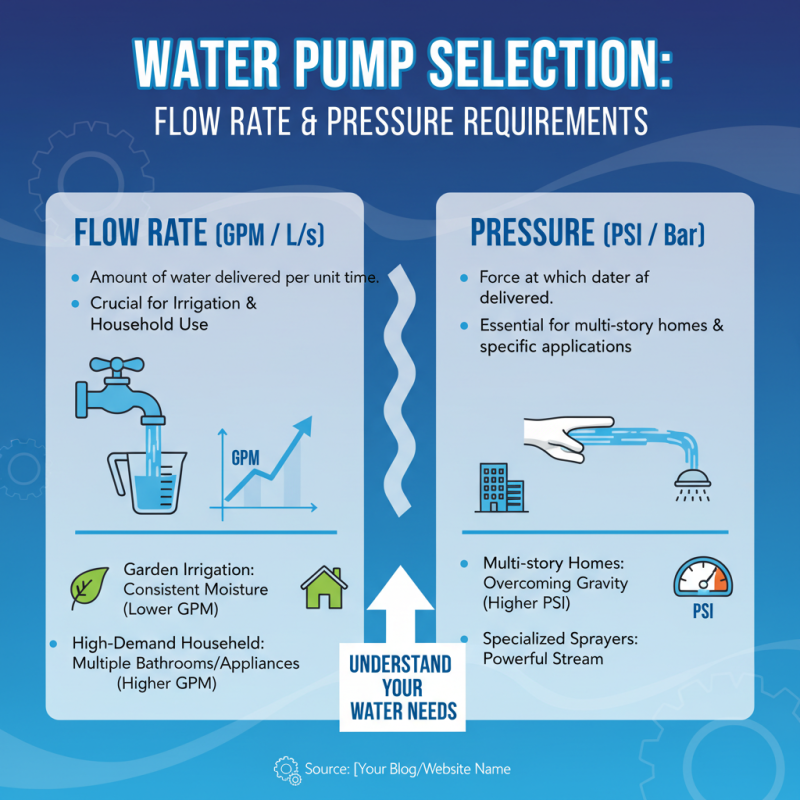
When selecting the right water pump system, understanding your water needs is essential, particularly in terms of flow rate and pressure requirements. Flow rate, measured in gallons per minute (GPM) or liters per second (L/s), indicates how much water the system can deliver at a time. This metric is crucial for determining the adequacy of your system for various applications, from irrigation to household use. For instance, a garden requiring consistent moisture may need a different flow rate compared to a high-demand household with multiple bathrooms and appliances.
Pressure, on the other hand, is just as important, as it affects how far and how forcefully water can be delivered. Measured in pounds per square inch (PSI), adequate pressure ensures that water can reach all desired outlets within your home or irrigation system. It’s important to evaluate the elevation of your water source, distance to the delivery point, and any potential obstructions in the plumbing. A pump that combines both a suitable flow rate and proper pressure will optimize water delivery, ensuring that your specific needs are met effectively. Understanding these two factors lays the groundwork for choosing a water pump system that not only functions efficiently but also caters specifically to your usage expectations.
Key Factors for Selecting Energy-Efficient Water Pump Systems
When selecting an energy-efficient water pump system, several key factors should be considered to ensure optimal performance and sustainability. First, understanding the system's efficiency rating is crucial. Look for pumps that have high-efficiency ratings, which indicate that they convert a greater percentage of energy consumed into useful work. Comparing various models in terms of their Energy Efficiency Index (EEI) can help in making a more informed choice. This not only reduces operational costs but also minimizes the environmental footprint over the pump's lifespan.
Another important aspect is the sizing of the water pump. An improperly sized pump can lead to excessive energy consumption, as well as increased wear and tear. Tools such as pump performance curves can be useful in determining the right pump size based on the specific flow and head requirements of your application. Additionally, consider the variable speed drives, which allow for adjustments in the pump's speed according to demand, thus improving energy use efficiency. By prioritizing these factors, you can select a water pump system that meets your needs while also promoting energy conservation.
Evaluating Installation and Maintenance Costs for Water Pump Systems
When choosing the right water pump system, understanding installation and maintenance costs is crucial to making an informed decision. Initial installation expenses can vary significantly based on the type of pump, the complexity of the installation process, and the specific requirements of your property. Factors such as available power sources, plumbing configurations, and the size of the system all contribute to the overall cost. It's essential to obtain detailed quotes from multiple contractors to compare and gauge a reasonable range for your project.
Once the water pump system is installed, regular maintenance becomes a vital aspect of its operational efficiency and longevity. Maintenance costs typically include routine inspections, filter replacements, and potential repairs. Over time, a well-maintained system not only prevents costly failures but also ensures optimal performance, which directly impacts water quality and utility bills. Prospective buyers should budget for these ongoing expenses, as they may significantly affect the total cost of ownership. Taking the time to evaluate both installation and maintenance costs will help ensure that your selected water pump system meets your needs without breaking the bank in the long run.
2025 Guide: How to Choose the Right Water Pump System for Your Needs
| Pump Type |
Average Installation Cost ($) |
Average Maintenance Cost (Annual) ($) |
Energy Efficiency Rating |
Typical Lifespan (Years) |
| Submersible Pump |
1,200 |
300 |
A+ |
10 |
| Centrifugal Pump |
1,500 |
250 |
A |
15 |
| Positive Displacement Pump |
2,000 |
400 |
B |
12 |
| Gear Pump |
2,500 |
350 |
B+ |
10 |
| Diaphragm Pump |
1,800 |
300 |
A |
8 |
Exploring Advanced Technologies in Water Pump Systems for Optimal Performance
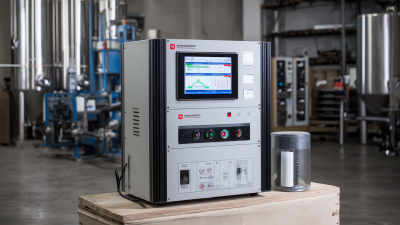
When selecting a water pump system, understanding advanced technologies can significantly enhance operational efficiency and performance. Modern water pump systems leverage innovations such as smart sensors and IoT (Internet of Things) connectivity. These features allow for real-time monitoring and analytics, providing users with pertinent data about the system's performance and maintenance needs. This capability not only reduces downtime by enabling predictive maintenance but also fosters more informed decision-making regarding energy consumption and operational adjustments.
Another groundbreaking advancement in water pump technology is the use of variable frequency drives (VFDs). VFDs allow for precise control of pump speeds, adapting to varying flow demands without energy waste. This technology not only improves the pump's efficiency but also extends its lifespan by minimizing wear and tear from abrupt changes in operation.
Furthermore, integrating automated systems and smart controllers can optimize the coordination among multiple pumps, ensuring a balanced and responsive supply network to meet fluctuating water demands. By focusing on these advanced technologies, users can achieve not only optimal performance but also significant cost savings over time.