Why Are Water Pump Solutions Essential for Efficient Water Management?
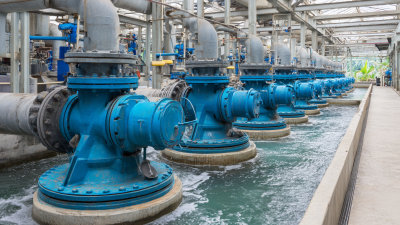
Water management is crucial in the modern world. Efficient water systems support agriculture, industry, and daily life. One key component is water pumps solutions. These devices help move water from one place to another. They ensure consistent supply and prevent shortages.
Water scarcity is a growing concern. With population rises, the demand for water increases. Inefficient systems can waste this vital resource. Water pumps solutions play a significant role in optimizing water use. They improve irrigation practices and reduce losses in distribution.
However, not all water pump systems are perfect. Some may struggle with energy efficiency. Others may not be suitable for certain environments. This requires careful planning and reflection on existing practices. Ultimately, investing in the right water pumps solutions can lead to better water management outcomes.
The Role of Water Pumps in Modern Water Management Systems
Water pumps play a crucial role in modern water management systems. They ensure the effective distribution of water across various sectors, including agriculture, municipal water supply, and industrial operations. According to the International Water Association, efficient pumping solutions can reduce energy consumption by up to 30%. This statistic highlights the importance of integrating advanced pumping technologies into our water systems.
The global demand for fresh water is projected to increase by 55% by 2050, driven mainly by urbanization and population growth. For instance, smart water management systems rely heavily on reliable pump operations. These pumps must be capable of adjusting to varying flow requirements. Failure to do so can lead to significant water loss. Such losses are often attributed to outdated pumping techniques which lack modern controls.
Implementing energy-efficient pumps does more than save resources; it also helps reduce greenhouse gas emissions. Studies indicate that upgrading pump infrastructure could decrease emissions by an estimated 20 million tons annually. However, many regions still face challenges in upgrading their systems. This gap between technology and practice calls for a reevaluation of our current approaches to water management. The necessity for innovation in pump technology is clear in a rapidly changing climate.
Why Are Water Pump Solutions Essential for Efficient Water Management?
| Dimension |
Data |
| Number of Water Pumps in Use |
20 Million |
| Annual Water Pump Sales Growth Rate |
5.6% |
| Average Lifespan of a Water Pump |
15 Years |
| Percentage of Global Water Supply Managed by Pumps |
75% |
| Estimated Pump Efficiency Improvement (Last Decade) |
20% |
| Daily Water Pumped (Globally) |
390 Billion Liters |
| Leading Application of Water Pumps |
Agriculture (40%) |
| Market Size of Water Pump Industry (2022) |
$40 Billion |
Types of Water Pump Solutions for Diverse Applications
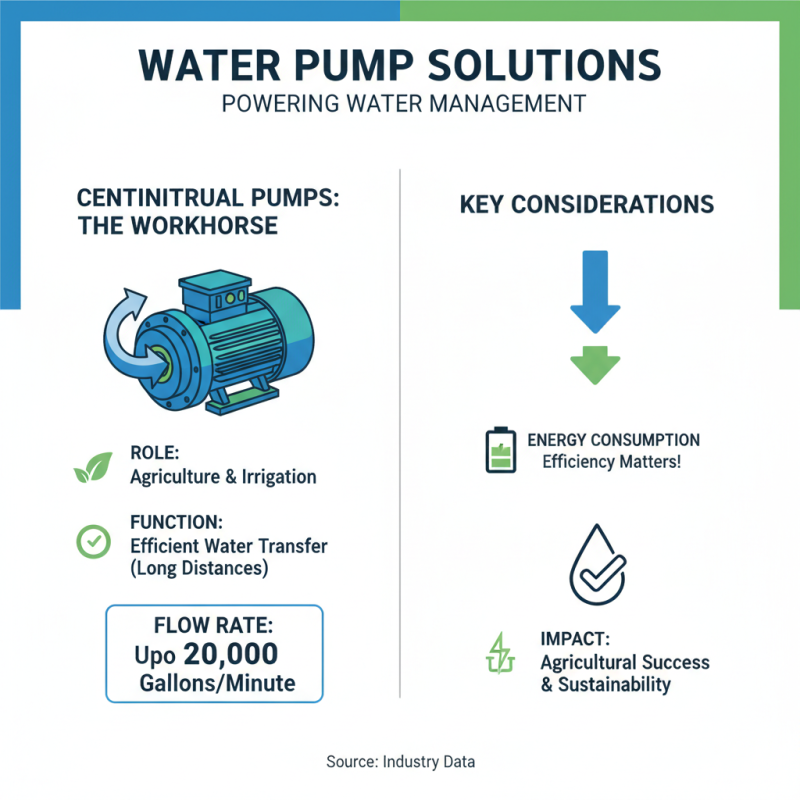
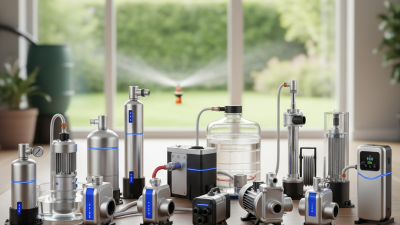
Water pump solutions play a crucial role in water management. Various types of pumps cater to different applications. For instance, centrifugal pumps are popular for agriculture and irrigation. They move water efficiently across long distances. According to industry data, these pumps can achieve flow rates as high as 20,000 gallons per minute. This capacity is vital for agricultural success. However, energy consumption can be a concern.
Submersible pumps, another significant category, are used in residential and industrial settings. They can operate underwater, making them ideal for sewage treatment or groundwater extraction. Reports indicate that around 30% of water in municipal systems is lost due to inefficiencies in pumping systems. This loss highlights the need for efficient pump design and technology.
Positive displacement pumps are essential for applications requiring precise flow rates. Industries like pharmaceuticals and food processing rely on them. They can deliver consistent volumes, which is critical for product quality. Yet, some users overlook maintenance, leading to reduced efficiency. Regular maintenance is essential to prevent costly downtime and ensure optimal performance.
Benefits of Implementing Efficient Water Pump Technology
Efficient water pump technology plays a vital role in enhancing water management practices. According to the U.S. Department of Energy, over 20% of energy consumption in water facilities stems from pumping systems. Upgrading to high-efficiency pumps can reduce energy usage by up to 30%. This improvement not only lowers operational costs but also minimizes the carbon footprint of water management systems.
Implementing advanced water pump solutions leads to improved reliability and reduced maintenance costs. For instance, a study by the American Society of Civil Engineers revealed that inefficient pumps contribute to over 30% of water loss in municipal systems. Detecting and fixing these inefficiencies can lead to significant water conservation. However, upgrading systems often requires upfront investment, which poses challenges for many municipalities.
The impact of failures in pump systems can be serious. They can lead to outages, affecting water supply to households and businesses. Pump technology must evolve continuously to meet expanding needs. While many systems don’t leverage the latest advancements, the potential benefits are substantial. Awareness of these technologies is crucial for anyone involved in water management.
Challenges in Water Management and the Need for Reliable Pumping Solutions
Efficient water management faces many challenges. Water scarcity is a growing concern in many regions. Aging infrastructure often leads to leaks and inefficiency. These issues disrupt water supply and harm local communities. Reliable pumping solutions play a crucial role in addressing these challenges.
When selecting a water pump, consider the specific needs of your system. Analyze the flow rate requirements and total dynamic head. Choose pumps that meet or exceed these measures. Regular maintenance can extend the lifespan of your equipment. This can prevent costly breakdowns, which often happen at the worst times.
Tips: Monitor your water pressure. Unusually low pressure might indicate a failing pump or leaks. Regularly check and replace worn-out components. Additionally, invest in energy-efficient pumps to lower operational costs and reduce environmental impact. Water management is complex. Each challenge requires thoughtful solutions tailored to local needs.
Challenges in Water Management and the Need for Reliable Pumping Solutions
Future Trends in Water Pump Innovations and Sustainability
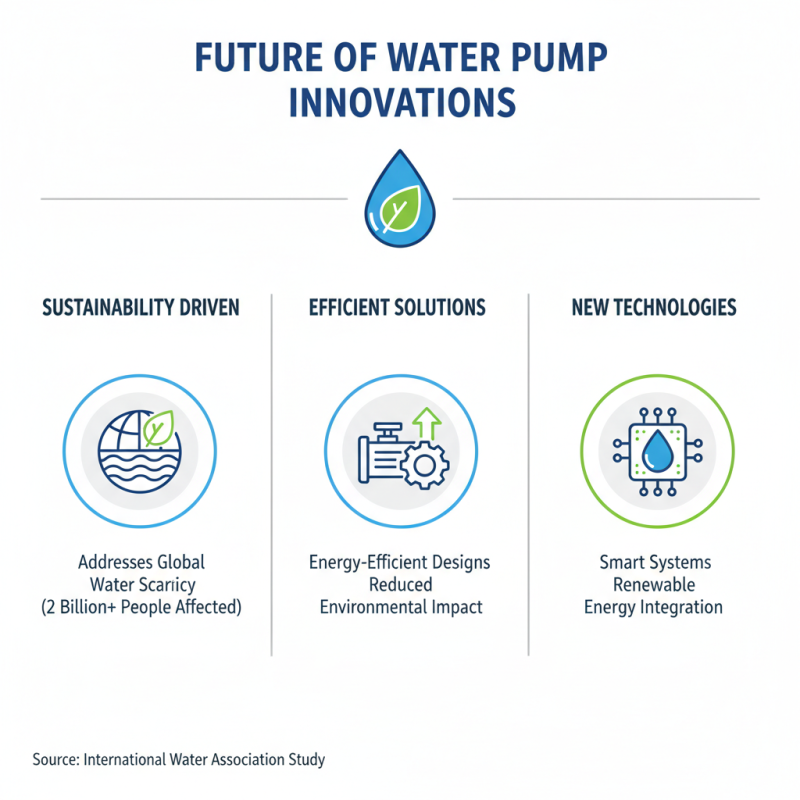
The future of water pump innovations is closely linked to sustainability. According to a recent study by the International Water Association, water scarcity affects over 2 billion people globally. Efficient water pump solutions can help mitigate this issue. New technologies focus on energy efficiency and reduced environmental impact.
Innovative designs incorporate smart sensors and automation. These features allow for real-time monitoring of water usage. They can adjust to demand fluctuations, reducing waste. A report by the Water Research Foundation indicates that advanced pumping systems can decrease energy consumption by up to 30%. This is crucial as energy costs continue to rise.
However, challenges remain. Adoption rates for new technologies can be slow, especially in developing regions. Some installations face operational issues due to lack of training. As innovations evolve, understanding their lifecycle impact is vital. Assessing both benefits and limitations will pave the way for a more sustainable water future.