
How to Choose a Bio Gas Purification System?

Choosing a Bio Gas Purification system starts with a clear question: what must the cleaned gas do? A plant supplying a gas grid has different requirements from one fueling vehicles or feeding an onsite boiler. Raw biogas also varies. One sample may contain more hydrogen sulfide; another may carry extra moisture or siloxanes. Those differences affect equipment, operating costs, and maintenance.

The European Biogas Association’s Statistical Report 2024 recorded 4.9 billion cubic metres of biomethane production in Europe in 2023. That growth makes technology selection more consequential, not simpler. Water scrubbing, membranes, pressure swing adsorption, and chemical absorption each handle contaminants differently. Their performance depends on feed-gas composition, required methane recovery, plant scale, energy use, and the quality target at the outlet. A tidy comparison chart can help, but it cannot replace a representative gas analysis.

Biogas specialist Arthur Wellinger’s work informs a practical design maxim: “Choose the upgrading route to meet the required gas quality and end use.” This is a paraphrase, not a verified verbatim quotation. It captures an important caution: a high methane percentage alone does not prove that a system is suitable. Check contaminant limits, methane slip, service access, and performance guarantees. Ask for evidence from installations using comparable feedstock. No single technology wins everywhere. And real operating data may challenge the first estimate. This guide explains how to compare options and choose a Bio Gas Purification system with evidence, not guesswork.
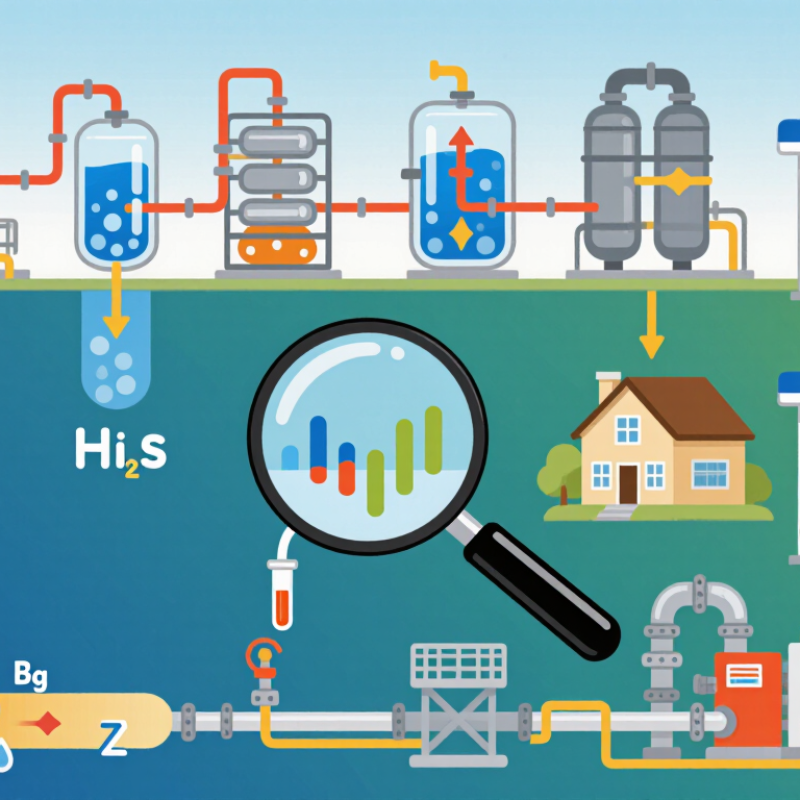
How to Choose a Bio Gas Purification System?

Define the Required Biogas Quality and Intended Use

Before choosing a purification system, define where the gas will go. A boiler may accept a different methane content than a combined heat and power unit. Pipeline injection or vehicle use usually demands tighter control of composition and contaminants. The destination sets the target; “clean biogas” is not a complete specification.

Measure methane, carbon dioxide, hydrogen sulfide, moisture, and any site-specific contaminants, such as siloxanes from wastewater treatment. Record flow, pressure, and temperature too. Test across operating conditions, not just during one convenient hour. A single sample can miss seasonal changes or sudden feedstock shifts. That matters. Ask a qualified laboratory or process engineer to confirm sampling methods and target limits for the intended equipment.

Then compare the measured gas with the required outlet quality. Consider both average values and short peaks, since a brief contaminant spike can damage equipment. Include expected production changes and the cost of methane lost during treatment. It is tempting to select a system from a headline purity figure alone. I would question that choice: a very high purity target may add expense without improving the actual application. Define what must be removed, how consistently, and why.

How to Choose a Biogas Purification System?

Define the required biogas quality and intended use.

Indicative methane-content ranges are shown for untreated biogas used in boilers or CHP, and upgraded gas for vehicle fuel or grid injection. Actual limits vary by equipment and local regulations. Specify methane, hydrogen sulfide, moisture, carbon dioxide, and siloxane requirements before selecting a purification system.

Assess Feed Gas Composition, Flow Rate, and Variability

How to Choose a Bio Gas Purification System?

Assess Feed Gas Composition, Flow Rate, and Variability

Start with measured feed gas, not a supplier’s typical composition. The U.S. EPA’s AgSTAR Project Development Handbook reports raw biogas commonly contains 50–75% methane and 25–50% carbon dioxide. Water vapor and hydrogen sulfide may also be present. Their concentrations depend on feedstock and digester conditions. Small shifts matter. A gas analysis should include methane, carbon dioxide, hydrogen sulfide, moisture, and relevant trace contaminants. One sample may look reassuring, yet miss a brief hydrogen sulfide spike after a feed change.

Measure flow across normal operation, not just at the design average. Record minimum, typical, and peak hourly rates, using consistent reference conditions. A system sized only for average flow may struggle during production surges; oversizing can add unnecessary equipment and energy demand. EPA’s handbook provides practical guidance for developing biogas projects, while IEA Bioenergy Task 37 reports examine upgrading options and their gas-quality requirements. Use such references to frame questions, not replace site measurements. Variability deserves special attention. Seasonal feedstock changes, maintenance, and digester upset can alter both gas volume and contaminant loads. Keep a log over representative weeks. It is tedious, but guessing here is costly.

How to Choose a Bio Gas Purification System? - Assess Feed Gas Composition, Flow Rate, and Variability

Assessment Dimension What to Measure Typical Raw Biogas Range or Example Variability to Check Purification System Implication
Methane (CH₄) Volume fraction, measured on a clearly stated wet or dry basis Often approximately 50–70% by volume; actual values depend on feedstock and digester operation Track changes during feedstock transitions, startup, and process upsets Sets the starting methane concentration and helps estimate product-gas recovery and upgrading duty
Carbon dioxide (CO₂) Volume fraction and the required CO₂ level in the product gas Often approximately 30–50% by volume in raw biogas Can shift as the feedstock mix, loading rate, or digester conditions change Higher CO₂ removal requirements may affect equipment size, energy use, and methane-loss control
Hydrogen sulfide (H₂S) Concentration in ppm by volume; also note short-duration peaks May range from tens to several thousand ppm; some feed gases can exceed 10,000 ppm Often varies with sulfur in the feedstock, operating conditions, and dosing of sulfur-control additives Determine whether bulk desulfurization, polishing, or both are needed to protect downstream equipment and meet product specifications
Water vapor and dew point Moisture content, gas temperature, pressure, and pressure dew point Raw biogas leaving a digester is commonly saturated with water vapor at its operating temperature Condensation changes with temperature, pressure, piping layout, and seasonal weather Include cooling and condensate management as needed; confirm that gas is sufficiently dry for the selected process and end use
Oxygen and nitrogen O₂ and N₂ concentrations, including air-ingress indicators Usually low in well-sealed anaerobic systems, but measurable amounts can occur; levels are site-specific Check for changes linked to leaks, air injection, or operating practices These gases may be difficult to remove selectively and can affect product-gas quality, safety, and process selection
Siloxanes and volatile contaminants Siloxanes, volatile organic compounds, and relevant trace contaminants; report the sampling method and units Concentrations vary widely by source; landfill gas and some wastewater-derived gas may require particular attention to siloxanes Use representative sampling because concentrations may vary with waste composition and time Specify contaminant-specific pretreatment or polishing when required by engines, turbines, catalysts, or the product-gas specification
Flow rate Minimum, normal, peak, and maximum flow in Nm³/h or another defined standard volume basis For an illustrative site, a measured range might be 100–250 Nm³/h; this is an example, not a universal plant-size category Record hourly and seasonal profiles, not only an average value Size equipment for the expected operating envelope and confirm turndown capability, redundancy, and any buffer-storage needs
Flow and composition variability Time-series data for flow, CH₄, CO₂, H₂S, moisture, and other relevant contaminants Assess normal fluctuations as well as startup, shutdown, maintenance, and upset conditions Identify peak-to-average ratios, duration of excursions, and how often they occur Consider flexible controls, staged treatment, adequate pretreatment capacity, and alarms or bypass arrangements where appropriate
Product-gas specification and end use Required methane content, contaminant limits, pressure, and delivery conditions Requirements differ for boilers, engines, vehicle fuel, and pipeline injection; confirm the applicable local specification Check whether the receiving equipment or grid operator allows temporary off-specification gas Choose a treatment train against the actual delivery specification rather than a generic “high-purity” target
Sampling and data quality Analyzer calibration, sample location, sampling frequency, and wet/dry reporting basis Use measurements representative of the gas entering the purification system Compare continuous readings with periodic laboratory or validated field measurements Reliable design data reduces the risk of undersizing pretreatment or selecting a process that cannot handle real operating conditions

Typical ranges are indicative and vary by feedstock, facility, and operating conditions. Confirm design values with representative site measurements and the applicable product-gas specification.

Compare Purification Technologies for Key Contaminants

Choosing a biogas purification system starts with the contaminants in your gas, not the equipment catalogue. Hydrogen sulfide can corrode pipes and damage engines. Iron-based media or activated carbon can capture it, but performance depends on gas flow, moisture, and media replacement. A simple inlet test can prevent an expensive mismatch. Small details matter.

Carbon dioxide removal is a different task. Water scrubbing dissolves CO2, while pressure swing adsorption separates gases using adsorbent materials. Membranes offer compact equipment, but need suitable pretreatment and pressure. Compare methane recovery, energy use, and the quality required by your burner, boiler, or upgrading process. The highest removal rate is not always the best practical choice.

Siloxanes and volatile organic compounds may be present in landfill or wastewater gas. Activated carbon can capture many of them, though the media may need frequent changes when concentrations fluctuate. Moisture also deserves attention: a cooler and condensate trap can protect downstream equipment, but they do not remove every trace of water. Ask for contaminant-specific performance data under conditions close to your own site. Then check sampling methods and replacement intervals. I would still leave room for uncertainty; gas composition can shift with feedstock and season, and a neat specification sheet cannot show every operating surprise.

Evaluate Capacity, Energy Use, Maintenance, and Safety

How to Choose a Bio Gas Purification System?

Start with the gas, not the equipment. Record typical and peak flow rates, then check how methane content, moisture, hydrogen sulfide, and other contaminants vary over time. A system sized only for an average reading may struggle during production peaks. Ask for performance data at your actual operating range, and confirm the required gas quality for its intended use. Small sample errors can lead to poor sizing. It happens.

Compare total energy use, not just the purifier’s rated power. Compressors, pumps, cooling, and regeneration can add substantial demand. Check pressure drop across the treatment stages, since extra resistance may increase compressor work. Maintenance matters just as much. Ask how often filters or media need replacement, how much downtime servicing requires, and whether staff can safely inspect routine components. A neat spreadsheet will not capture every awkward repair.

Safety features should suit the site and the gas composition. Look for appropriate gas detection, ventilation, pressure relief, and clear isolation points. Confirm that alarms can be heard where operators actually work. Review procedures for leaks and maintenance shutdowns with qualified personnel. No design removes every risk, and operating conditions change. Leave room for monitoring and adjustment after startup, rather than assuming the first settings will remain right.

Verify Supplier Performance, Costs, and Compliance Requirements

A bio gas purification system should be judged by measured results, not a polished brochure. Ask suppliers for test data from installations with similar gas flow and contaminant levels. Check methane recovery, outlet gas quality, energy use, and operating hours. Request references you can contact, and ask what went wrong during commissioning. Real answers matter.

Put performance guarantees in writing. Define the feed gas conditions, test period, sampling method, and remedies if targets are missed. A system tested on steady gas may behave differently when moisture or hydrogen sulfide levels fluctuate. Ask how sensors detect these changes and how often calibration is needed. Small details count.

Compare the full cost, not just the purchase price. Include pretreatment, installation, utilities, replacement media, labor, and planned downtime over the expected service life. Ask suppliers to separate estimated costs from fixed quotes; estimates can shift. Review compliance requirements with qualified local professionals before selecting equipment. Permits and emissions limits vary by location, and supplier documents should support that review. Check safety procedures, operating manuals, and maintenance records. Some proposals still leave gaps. Notice them.

Skip to content