How to Choose the Best Stamping Robot for Your Business?
In today's competitive manufacturing landscape, selecting the right Stamping Robot can significantly impact productivity and efficiency. According to a report by MarketsandMarkets, the Industrial Robotics market is projected to reach $70 billion by 2026, driven by advancements in automation technology. Companies increasingly seek robots that enhance speed and precision while minimizing operational costs.
When considering a Stamping Robot, it is vital to evaluate factors like payload capacity, speed, and precision. A failure to choose wisely can lead to suboptimal performance. A 2022 survey found that 30% of manufacturing businesses reported dissatisfaction with their automation systems due to poor customization. This points to a pressing need for companies to align their operational requirements with the capabilities of new robotic technologies.
The evolving landscape demands not just technological fit but also strategic insight. As industries push for greater efficiency, understanding the nuances of robotics becomes essential. Investing in the right Stamping Robot is not merely a choice but a strategic decision that can shape the future of your business.
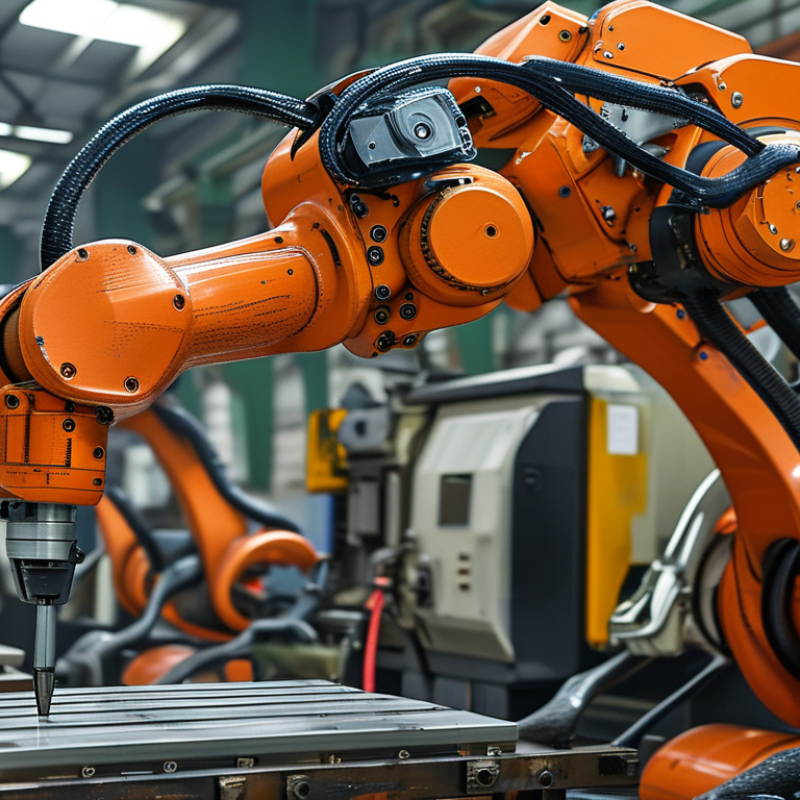
Understanding the Different Types of Stamping Robots Available
When selecting a stamping robot for your business, it’s essential to understand the various types available. Stamping robots generally fall into three categories: articulated robots, linear robots, and SCARA robots. Articulated robots can move with flexibility and mimic a human arm's motion. They are ideal for tasks requiring precise movements in tight spaces. According to the International Federation of Robotics, articulated robots accounted for over 40% of industrial robot sales in 2022.
Linear robots provide a straightforward design. They excel in applications like material handling and assembly tasks. These robots operate along a linear path, which can streamline operations in a production line. A report by Research and Markets highlights that linear robot adoption has grown by 15% annually, driven by increasing automation demands.
SCARA robots combine speed and efficiency. They are particularly effective for high-speed assembly tasks, offering speed without sacrificing accuracy. However, their reach can be limited. As industries continuously innovate, analyzing your specific needs is crucial. No single type of robot fits all situations. Therefore, conducting thorough assessments to match robots with your operational requirements is vital for success.
How to Choose the Best Stamping Robot for Your Business?
| Type of Stamping Robot | Payload Capacity (kg) | Application | Key Features | Estimated Cost ($) |
| Articulated Robot | 20 | Automotive Stamping | High flexibility, multi-axis | 15,000 |
| SCARA Robot | 10 | Electronics Assembly | Speed, compact design | 12,000 |
| Delta Robot | 5 | Food Packaging | High speed, precision | 10,000 |
| Collaborative Robot (Cobot) | 8 | Small Parts Stamping | Safety features, easy programming | 18,000 |
| Cartesian Robot | 15 | Heavy Machinery | Straight line movement, sturdy | 14,000 |
Key Features to Consider When Selecting a Stamping Robot
When selecting a stamping robot, certain key features play a crucial role in enhancing productivity and efficiency. One important factor is the robot's payload capacity. According to the International Federation of Robotics, robots with higher payload capabilities, typically above 10 kg, are often preferred in manufacturing settings. This allows for versatility in handling diverse materials and complex tasks. Stamping projects can vary widely, making it essential to choose a robot that can adapt.
Another critical aspect is the precision and speed of the robot. Industry reports indicate that robots with a precision rate of 0.1 mm or better significantly reduce waste and rework rates. In fast-paced environments, speed can make a considerable difference. A robot capable of completing strokes in under a second can drastically enhance output, allowing businesses to meet rising customer demands.
Integration with existing systems is also vital. Consider how the robot interfaces with other equipment. A seamless integration ensures minimal disruption during the transition phase. However, some operators struggle with upgrading their systems to accommodate new technology. It's essential to weigh these factors carefully, as failing to do so may lead to inefficient workflows and increased costs.
Assessing Your Business Needs for Optimal Robot Performance
When assessing your business needs for optimal robot performance, it's crucial to identify specific requirements. Analyze your production volume. Consider how often you need to stamp and the types of materials you work with. This analysis will guide you in selecting the right stamping robot that ensures efficiency and productivity.
Evaluate the skill set of your team. Are they experienced in operating advanced machinery? If not, your chosen robot should offer user-friendly features. Compatibility with existing systems is another factor. A robot that integrates seamlessly with your production line reduces downtime. Don't overlook the potential need for training. Investing in knowledge can enhance robot performance and improve overall efficiency.
Lastly, think about your future growth. Will your business expand soon? If so, choose a robot that can adapt to increased demand. Flexibility is vital for long-term success. Regular assessments of your equipment's performance are essential. They help you stay updated on your operational needs. Reflecting on these factors will ensure your investment is worthwhile.
Evaluating Budget and Cost-Effectiveness of Stamping Robots
When evaluating the budget and cost-effectiveness of stamping robots, start by understanding your production needs. Assess the volume of items to be stamped and the precision required. High-speed operations may warrant an investment in advanced technology, while low-volume tasks can be handled by more economical solutions. Ultimately, the choices available will vary significantly.
Consider the total cost of ownership. This includes not only the initial purchase price but also maintenance, energy consumption, and potential downtime. A cheaper model might seem appealing but could lead to higher operational costs over time. It's crucial to analyze how these costs align with your company’s output goals.
Lastly, reflect on the return on investment (ROI). Ask questions about the robot's impact on labor costs and production rates. It can be challenging to predict these factors accurately. Field tests and pilot programs may provide insights into long-term benefits. Do not overlook the importance of technical support, as this can affect the overall effectiveness of your investment.
Researching Reliable Manufacturers and Customer Reviews
When searching for a stamping robot, customer reviews offer valuable insights. They reflect real experiences from businesses similar to yours. These testimonials can reveal strengths and weaknesses that technical specifications may overlook.
Consider platforms where customers share their experiences. Look for detailed feedback rather than just star ratings. Positive comments about reliability or efficiency can indicate a trustworthy machine. However, beware of vague reviews, as they may lack credibility.
Tips for evaluating reviews:
- Focus on recent reviews. Old comments may not reflect current performance.
- Look for consistent themes across multiple reviews. Are several customers praising or criticizing the same aspect?
- Be cautious of overly positive reviews. They can sometimes seem unnatural and raise red flags.
Manufacturers should also be vetted thoroughly. Check their history and track record in the industry. A well-established manufacturer often indicates reliability. Don’t overlook the importance of after-sales support. Quality support can significantly reduce downtime.
In the end, rely on a balance of reviews and manufacturer research. This careful approach can guide you toward the best choice for your business needs.