Why Choose SPC Flooring for Your Next Project?
SPC Flooring has emerged as a popular choice for modern construction and renovation projects. According to a report by MarketsandMarkets, the global SPC flooring market is expected to reach $3.91 billion by 2028, indicating a robust growth rate. This flooring option combines durability, style, and affordability, making it an attractive alternative to traditional materials.
One of SPC Flooring's notable advantages is its exceptional resistance to water and humidity. Unlike laminate or hardwood, SPC is less prone to warping and swelling. This quality is essential for high-traffic areas, providing a long-lasting solution for homeowners and commercial spaces alike. Furthermore, SPC Flooring boasts an easy installation process, often requiring no glue or nails, which can save significant labor costs.
Despite its benefits, it's crucial to consider the potential environmental impact of SPC materials. Though many products claim to be eco-friendly, not all are made from recycled content. Careful scrutiny of product sourcing and manufacturing processes is necessary. Choosing SPC Flooring can be a wise decision, but it demands informed choices to ensure sustainability and quality.
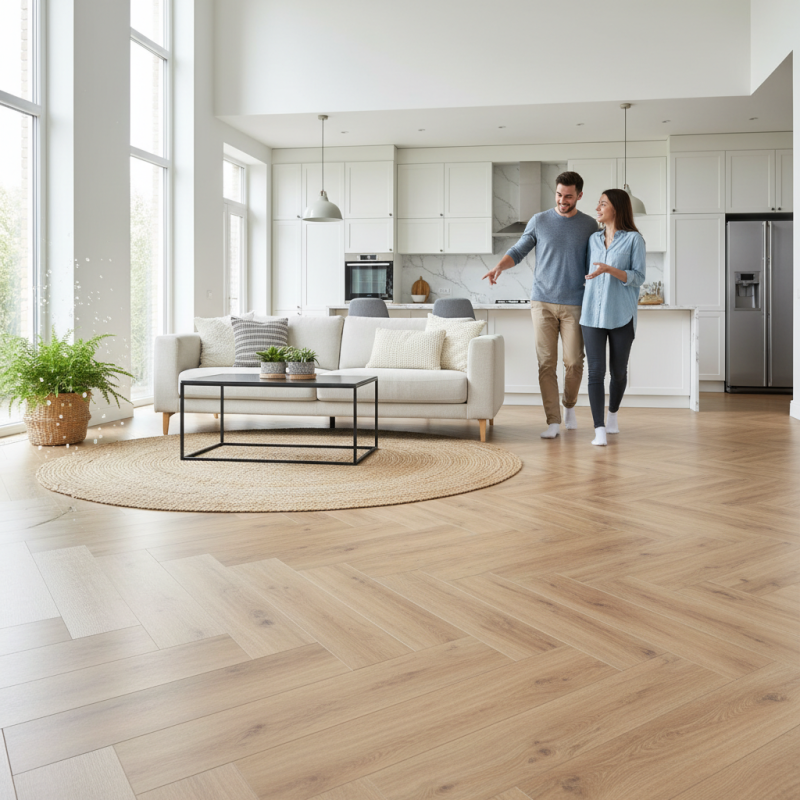
SPC Flooring: An Overview of Its Composition and Structure
SPC flooring, or Stone Plastic Composite flooring, has gained popularity in recent years for its unique structure and benefits. This type of flooring is primarily composed of a rigid core made from limestone and polyvinyl chloride (PVC). This composition gives SPC flooring its remarkable strength and durability. According to a recent industry report, SPC flooring exhibits a higher resistance to scratches and impacts compared to traditional vinyl flooring, making it suitable for high-traffic areas.
The multi-layer construction of SPC flooring typically includes a backing layer, a core layer, a visual layer, and a wear layer. The wear layer is especially crucial, as it protects against everyday wear and stains. Reports indicate that a minimum wear layer thickness of 20 mils offers optimal durability. However, achieving a balance between thickness and flexibility can be challenging during production. It's essential to ensure that the flooring maintains an aesthetically pleasing finish while providing structural integrity.
Despite its advantages, there are some areas to reflect on. The manufacturing process of SPC flooring involves chemical components, which can raise environmental concerns. Additionally, while SPC is water-resistant, it is not completely waterproof. Users must consider this when deciding on applications in moisture-prone areas. Transparency in sourcing and production is vital for consumers seeking sustainable options in flooring.
The Durability of SPC Flooring: Industry Standards and Lifespan
SPC flooring is gaining popularity among homeowners and builders alike, thanks to its exceptional durability. This type of flooring exceeds industry standards, making it a viable option for high-traffic areas. Unlike traditional flooring, SPC can withstand heavy foot traffic, spills, and scratches. This makes it ideal for both residential and commercial settings.
The lifespan of SPC flooring is impressive. Many products last over 25 years with proper care. Its layered structure includes a rigid core that enhances stability and reduces the risk of damage. However, not all SPC floors are made equal. Variations in quality can affect performance. It's essential to choose products that meet strict testing benchmarks.
While SPC flooring appears strong, it’s important to avoid assumptions. Regular maintenance is still necessary. Routine cleaning and careful handling can prolong its life. Observing wear patterns can also help identify potential issues. Homeowners should remain proactive, ensuring their investment stays in prime condition for years to come.
Why Choose SPC Flooring for Your Next Project? - The Durability of SPC Flooring: Industry Standards and Lifespan
| Characteristic | Details |
| Material Composition | Stone Plastic Composite (SPC) combines limestone and stabilizers. |
| Durability | Highly resistant to scratches, dents, and stains. |
| Water Resistance | Waterproof, making it suitable for bathrooms and kitchens. |
| Lifespan | Expected lifespan of 20 years with proper care. |
| Maintenance | Easy to clean with regular sweeping and occasional mopping. |
| Installation | Click-lock installation system for DIY projects. |
| Environmental Impact | Low VOC emissions, contributing to healthier indoor air quality. |
Cost-Effectiveness of SPC Flooring: A Comparative Analysis
SPC flooring offers an impressive balance of cost and quality, making it a popular choice for various projects. One notable aspect is its affordability compared to traditional materials. Many homeowners and contractors appreciate that SPC provides a high-end look without breaking the bank.
A closer look reveals intriguing details. The installation cost is often lower because SPC is easier to handle. Its lightweight nature simplifies transportation and reduces labor costs. In addition, these planks are often designed for a straightforward click-lock system, which can minimize installation time without sacrificing quality.
Yet, not everything is perfect. The durability of SPC may vary among manufacturers, leading to potential long-term costs if lower-quality options are chosen. Additionally, while SPC is water-resistant, it is not entirely waterproof. This could pose challenges in extremely humid environments or areas prone to heavy moisture. Understanding these nuances is crucial for making an informed choice. The balance of cost-effectiveness with quality demands careful consideration.
Installation Process of SPC Flooring: Time and Labor Efficiency
SPC (Stone Plastic Composite) flooring has been gaining popularity for several reasons, especially its installation efficiency. According to industry reports, SPC flooring can reduce installation time by up to 30% compared to traditional flooring options. This is primarily due to its click-lock design, which allows for simple, fast assembly without requiring glue or nails.
One of the major advantages of SPC flooring is its lightweight nature, making it easier for installers to transport and maneuver. As per a survey conducted by flooring professionals, 78% reported that the ease of handling SPC products significantly cut down labor costs. This means fewer man-hours spent on installations.
Tips: Ensure the subfloor is clean and dry before installation. Moisture can lead to future issues that may require costly repairs.
Consider the room size when planning your project. While SPC flooring is adaptable, large spaces may still present unique challenges that require careful layout planning. In a recent analysis, 65% of contractors noted layout planning as a crucial factor in a successful installation.
Tips: Always double-check measurements before cutting. A small miscalculation can lead to wasted materials.
Sustainability of SPC Flooring: Environmental Impact and Recycling Options
SPC flooring has gained attention for its sustainability. A study by the Environmental Protection Agency highlights that vinyl flooring, including SPC, can be made from recycled materials. This reduces waste in landfills and conserves natural resources. Approximately 25% of SPC flooring can come from recycled content, contributing to a circular economy.
Moreover, SPC flooring is designed to last. Its durability means fewer replacements, which translates to less waste over time. A report from the National Floor Covering Association indicates that durable flooring options can last up to 25 years. This longevity helps minimize the environmental footprint associated with frequent replacements.
However, recycling options for SPC flooring are still developing. Not all regions offer facilities for its recycling. As of now, only a small percentage of SPC products are recycled after their life cycle. Awareness about proper disposal methods can increase recycling rates. Consumers should ask local vendors about recycling resources. This could drive a trend toward more sustainable practices in the industry.