2025 How to Choose the Best Water Treatment System for Your Home
Choosing the right water treatment system for your home is a crucial decision that can significantly impact your family’s health and well-being. As water quality concerns rise, many homeowners are turning to experts for guidance in selecting the most effective solutions. According to Dr. Emily Thompson, a renowned expert in environmental science and water quality, “The optimal water treatment system not only improves the taste and safety of your water but also enhances your overall quality of life.”
With numerous options available in the market, understanding the different types of water treatment systems is essential. From filtration to reverse osmosis, each system has its unique merits and can cater to specific needs based on the water source and the contaminants present. Homeowners must consider factors such as water usage, local water quality reports, and their budget before making any decisions.
In this article, we will explore the key factors to consider when selecting a water treatment system, helping you to make an informed choice that suits your household better. With the right system in place, you can ensure that your family enjoys clean and safe drinking water for years to come.
Understanding Water Quality: Key Parameters to Consider for Treatment
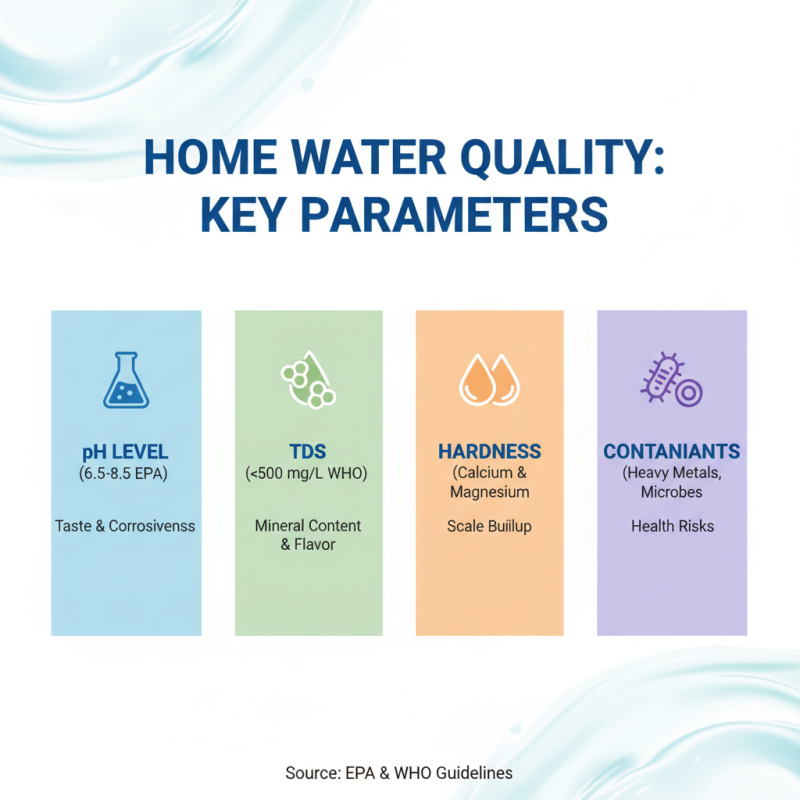
When selecting the best water treatment system for your home, understanding water quality is essential. Key parameters to assess include pH level, total dissolved solids (TDS), hardness, and the presence of contaminants such as heavy metals or microorganisms. According to the Environmental Protection Agency (EPA), the ideal pH for drinking water is between 6.5 and 8.5, impacting taste and corrosiveness. TDS levels can indicate mineral content; as per the World Health Organization (WHO), levels exceeding 500 mg/L can affect flavor, while higher concentrations may pose health risks.
In addition to physicochemical parameters, it is crucial to consider specific contaminants that may be present in your water supply. A report from the National Water Quality Assessment Program highlights that nearly 20% of groundwater sources in the U.S. are contaminated with some level of pesticides or nitrates. Heavy metals like lead and arsenic pose significant health concerns, with even low levels being detrimental, especially to vulnerable populations such as children and pregnant women. By evaluating these key factors—pH, TDS, hardness, and specific contaminant levels—homeowners can make informed decisions on the most effective water treatment systems tailored to their unique needs.
Types of Water Treatment Systems: Comparing Filtration, Purification, and Softening
When selecting a water treatment system for your home, understanding the distinctions between filtration, purification, and softening is crucial. Each method addresses different water quality issues and serves specific purposes. According to the National Sanitation Foundation, nearly 45% of homes in the U.S. utilize some form of water treatment, highlighting the significance of tailored solutions for individual needs.
Filtration systems, such as activated carbon filters, primarily remove particulate matter, chlorine, and some volatile organic compounds (VOCs) through physical and chemical processes. They can effectively improve taste and odor, making drinking water more palatable. In contrast, water purification systems, which include reverse osmosis and UV treatment, focus on eliminating a broader range of contaminants, including bacteria, viruses, and heavy metals. The Water Quality Association reports that these systems can remove up to 99% of certain contaminants, providing a higher level of safety for households concerned about pathogens and pollutants.
On the other hand, water softening systems are designed to tackle hard water issues by reducing calcium and magnesium ions, which can lead to scale buildup in plumbing and appliances. According to the Consumer Reports, approximately 85% of U.S. households deal with hard water. Softening systems not only help prolong the lifespan of appliances but also enhance the efficiency of soaps and detergents. Deciding which system to implement depends on the specific challenges faced by each household, emphasizing the importance of assessing water quality before making a choice.
2025 How to Choose the Best Water Treatment System for Your Home
| Type |
Description |
Pros |
Cons |
Cost Range |
| Filtration |
Removes impurities and particulates from water. |
Improves taste and odor; affordable options available. |
May not remove bacteria or viruses; requires replacement parts. |
$20 - $500 |
| Purification |
Eliminates contaminants through methods like reverse osmosis and UV treatment. |
Highly effective at removing bacteria and chemicals; safe drinking water. |
Higher installation and maintenance costs; slower water flow. |
$150 - $1,500 |
| Softening |
Reduces hard minerals like calcium and magnesium from water. |
Prevents scale buildup; enhances soap effectiveness. |
May add sodium; not effective for all contaminants. |
$300 - $2,000 |
Evaluating System Capacity: Matching Water Treatment Systems to Household Needs
When selecting a water treatment system for your home, evaluating the system's capacity is crucial for ensuring it meets your household needs effectively. The first step is to assess the volume of water your household consumes daily. This includes water used for drinking, cooking, cleaning, and other chores. Understanding your household's water usage patterns can help you determine the appropriate capacity for the treatment system, ensuring it can handle peak demand without compromising performance or efficiency.
Next, consider the quality of the water that needs treatment. Different households may face unique water quality challenges, such as high levels of contaminants, hardness, or unpleasant tastes and odors. Choosing a system with the right capacity also means evaluating its ability to treat specific issues effectively. For instance, if your water supply has high levels of chlorine or sediment, select a treatment system designed to handle these contaminants while meeting your volume requirements. By aligning system capacity with both daily usage and specific water quality concerns, you can ensure a reliable source of clean, safe water for your family.
Cost Analysis: Budgeting for Installation and Maintenance of Treatment Systems
When choosing a water treatment system for your home, understanding the costs associated with installation and maintenance is crucial. The initial installation cost can vary widely based on the type of system you select, with options ranging from simple filters to comprehensive reverse osmosis units. Generally, you should budget for professional installation if you opt for more complex systems, which can add a few hundred dollars to your total expenditure. Additionally, don’t forget to factor in any necessary modifications to your plumbing, which could increase costs further.
Tips: To get a clearer picture of long-term costs, consider ordering a few water quality tests to determine the specific contaminants in your water. This will help you select a system that meets your needs without overspending on unnecessary features. Once you’ve installed your system, maintaining it properly will also affect your budget. Annual filter replacements and routine maintenance checks are essential to ensure optimal performance. It’s important to set aside a portion of your budget each year for these expenses.
Moreover, while evaluating your options, be sure to ask potential installers about any hidden fees that could arise during installation or maintenance. Transparent pricing can save you from unexpected costs down the line. Researching financing options or relevant government rebates might also help lighten the financial burden, allowing for a more economical choice of water treatment systems.
Regulatory Standards: Ensuring Compliance with Local Water Quality Regulations
When selecting a water treatment system for your home, it's crucial to prioritize compliance with local water quality regulations. Each region has specific standards governed by entities such as the Environmental Protection Agency (EPA) in the United States, which ensures that drinking water is safe for consumers. For instance, the EPA’s National Primary Drinking Water Regulations list enforceable standards for contaminants, focusing on parameters like lead, nitrate, and microbial pathogens, which pose significant health risks. Homeowners should familiarize themselves with these regulations to ensure the system they choose effectively addresses local water quality issues.
In addition to regulatory compliance, homeowners should consider the results of water quality testing and local assessments. According to a 2022 report by the Water Quality Association, approximately 85% of U.S. homes could benefit from some form of water treatment, indicating widespread water quality concerns. Testing your home’s water provides critical data on contaminants specific to your area, guiding you toward a treatment solution that meets both your needs and regulatory standards. By ensuring your water treatment system aligns with these regulations, you can not only protect your family's health but also enhance the overall quality of your home’s water supply.
Water Treatment Systems Compliance with Local Regulations (2025)
This bar chart illustrates the compliance percentages of various water treatment systems with local water quality regulations in 2025. The data shows how different systems measure up in meeting required standards, critical for ensuring safe drinking water.