How to Choose the Best Wastewater Solutions for Sustainable Management
In an era where environmental sustainability is a pressing concern, the management of wastewater has emerged as a critical issue for communities and industries alike. The effective handling of wastewater not only safeguards public health but also preserves precious natural resources. As the demand for clean water continues to rise alongside increasing urbanization, choosing the right wastewater solutions has become imperative. Sustainable wastewater management encompasses a variety of practices and technologies aimed at minimizing environmental impact while maximizing resource recovery.
Selecting the best wastewater solutions involves a careful consideration of multiple factors, including the specific needs of a community, the type of wastewater generated, and the potential for resource reuse. From advanced treatment technologies that extract valuable resources to decentralized systems that promote localized management, there are diverse options available. The goal is not solely to treat wastewater but to do so in a way that contributes to a circular economy and enhances the resilience of ecosystems.
This guide aims to provide insights into how to navigate the selection of wastewater solutions that align with sustainability goals. By understanding the principles of effective wastewater management and exploring innovative practices, stakeholders can make informed decisions that lead to a healthier planet and a more sustainable future.

Understanding the Importance of Sustainable Wastewater Management
Sustainable wastewater management is crucial in addressing the challenges posed by increasing urbanization and industrialization. As populations grow, the demand for clean water rises, making it essential to treat and reuse wastewater effectively. By implementing sustainable practices, we can reduce environmental impact, protect natural ecosystems, and conserve valuable water resources. This holistic approach not only enhances public health by preventing contamination but also promotes economic resilience by turning waste into a resource.
Understanding the importance of sustainable wastewater management requires recognizing its role in the circular economy. Effective treatment processes can help recover nutrients, energy, and water, transforming wastewater into a viable asset rather than a liability. Communities that adopt sustainable solutions benefit from reduced treatment costs, improved water quality, and increased recreational opportunities in restored environments. By prioritizing these sustainable practices, we can ensure the longevity of our natural resources while fostering a healthier planet for future generations.
Assessing Different Types of Wastewater Treatment Technologies
When assessing different types of wastewater treatment technologies, it’s crucial to consider their efficiency, environmental impact, and suitability for specific applications. According to a report by the Global Water Intelligence, the global market for wastewater treatment is projected to reach $180 billion by 2025, driven by increased regulations and the need for sustainable practices. Traditional methods like activated sludge systems still prevail, but advancements in technologies such as membrane bioreactors (MBRs) and anaerobic digestion are increasingly favored for their ability to reduce environmental footprints and enhance water reuse.
Membrane bioreactor technology, for example, not only effectively removes organic matter and pathogens but also provides high-quality effluent suitable for reuse in irrigation and industrial processes. The U.S. Environmental Protection Agency has indicated that MBR systems can achieve removal efficiencies of over 90% for biochemical oxygen demand and total suspended solids. Similarly, anaerobic digestion offers a sustainable solution for organic waste by converting it into biogas, which can be harnessed as renewable energy, addressing both waste management and energy challenges concurrently. As facilities evaluate their wastewater treatment options, understanding these technologies' costs, benefits, and implications for sustainability will be key to making informed decisions.
Evaluating Cost-Effectiveness and Budget Considerations
When selecting wastewater solutions for sustainable management, a fundamental aspect to consider is the cost-effectiveness of various technologies and strategies. According to a report by the Environmental Protection Agency, traditional activated sludge processes can range from $0.50 to $1.50 per 1,000 gallons treated, while newer technologies such as membrane bioreactors can increase costs to approximately $2.50 to $4.00 per 1,000 gallons. This substantial difference highlights the importance of evaluating not just the upfront costs, but also the long-term operational and maintenance expenses associated with each solution.
Budget considerations play a critical role in the decision-making process. A study published by the Water Environment Federation indicated that utilities need to anticipate future costs, including those tied to regulatory compliance and potential upgrades. It is estimated that up to 50% of the total lifecycle cost of wastewater treatment can be attributed to energy expenditures alone. Thus, adopting energy-efficient technologies not only aligns with sustainability goals but also significantly mitigates long-term financial burdens. In addition, funding opportunities and incentives, such as those provided by governmental and environmental organizations, can further influence the feasibility of advanced wastewater treatment solutions. By conducting a thorough cost-benefit analysis, stakeholders can strategically invest in technologies that ensure both economic viability and environmental integrity.
Identifying Regulatory Requirements and Environmental Impact
When selecting wastewater solutions for sustainable management, one of the foremost considerations is a comprehensive understanding of regulatory requirements. Different regions have specific regulations that govern wastewater treatment and discharge, aiming to mitigate environmental risks and protect public health. This necessitates a thorough analysis of local, state, and federal laws to ensure compliance. Regulatory requirements may include discharge limits for various pollutants, monitoring and reporting protocols, and the adoption of specific treatment technologies. Engaging with regulatory bodies early in the selection process can provide valuable insights and guide decision-making toward solutions that not only comply with the law but also align with sustainability goals.
In tandem with regulatory requirements, evaluating the environmental impact of wastewater management solutions is crucial. The chosen approach should minimize harm to surrounding ecosystems and resources. This involves assessing factors such as energy consumption, potential emissions, and the overall efficiency of the treatment process. Solutions that promote resource recovery, like biogas production or nutrient recycling, can significantly enhance environmental sustainability. Additionally, considering the life cycle of wastewater management systems—from construction and operation to decommissioning—can provide a clearer picture of their long-term ecological footprint. By prioritizing both regulatory adherence and environmental impact, organizations can select wastewater solutions that effectively support sustainable management practices.
Wastewater Treatment Options: Environmental Impact Assessment
Incorporating Innovative Practices for Future Sustainability
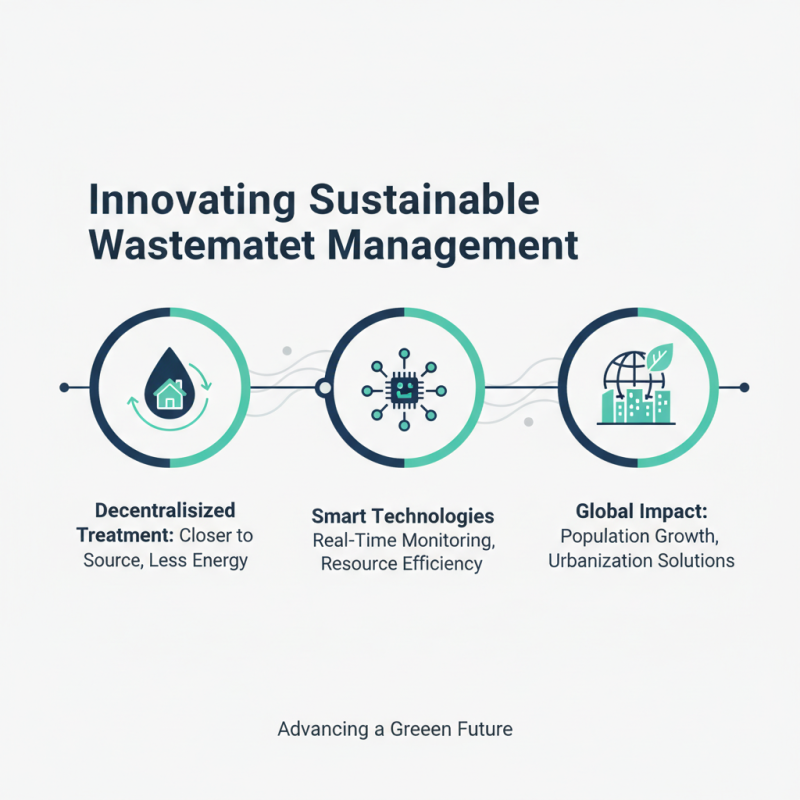
Innovative practices are essential for advancing sustainable wastewater management, especially as the global population continues to grow and urbanize. Techniques such as decentralized treatment systems, which treat wastewater closer to the source, can reduce transportation costs and energy consumption. Moreover, the implementation of smart technologies allows for real-time monitoring of wastewater quality, leading to more efficient resource management and improved decision-making.
Tips for incorporating innovative practices include:
1. **Adopting Green Infrastructure**: Utilize green roofs, bioswales, and permeable pavements to naturally filter and manage stormwater. These systems can significantly reduce the volume of wastewater while enhancing urban aesthetics.
2. **Embracing Resource Recovery**: Consider anaerobic digestion to convert organic waste into biogas, which can be used for energy production. Recovering nutrients from wastewater can also contribute to creating a circular economy, promoting sustainability.
3. **Leveraging Community Engagement**: Involve local communities in the planning and implementation of wastewater solutions. Educational programs and participatory initiatives can increase awareness and foster a sense of ownership, encouraging responsible water use and pollution prevention.
As we look to the future, these innovative practices will be vital in building resilient wastewater management systems that can adapt to environmental challenges and promote sustainability.