China Top Water System Solutions for Global Buyers?
As global demand for efficient water system solutions continues to rise, China has positioned itself as a leading provider. According to the International Water Association, by 2025, two-thirds of the world's population may face water-stressed conditions. This pressing need for innovative solutions emphasizes the importance of robust water systems in sustaining life and supporting economic growth.
Chinese companies are increasingly recognized for their advanced technology and expertise in water system management. Reports indicate that the Chinese water treatment market is expected to reach $34 billion by 2025, driven by urbanization and industrial demand. Yet, challenges persist. For example, legacy infrastructure in many regions may hinder the adoption of new systems, and quality control remains a critical concern.
Investing in the right technology is crucial. Global buyers must navigate a complex landscape as they seek reliable water system solutions. Awareness of local regulations and standards can enhance collaboration and ensure the effectiveness of implemented systems. Addressing these issues is vital to achieving sustainable and equitable water access for all.

Overview of China's Water System Solutions
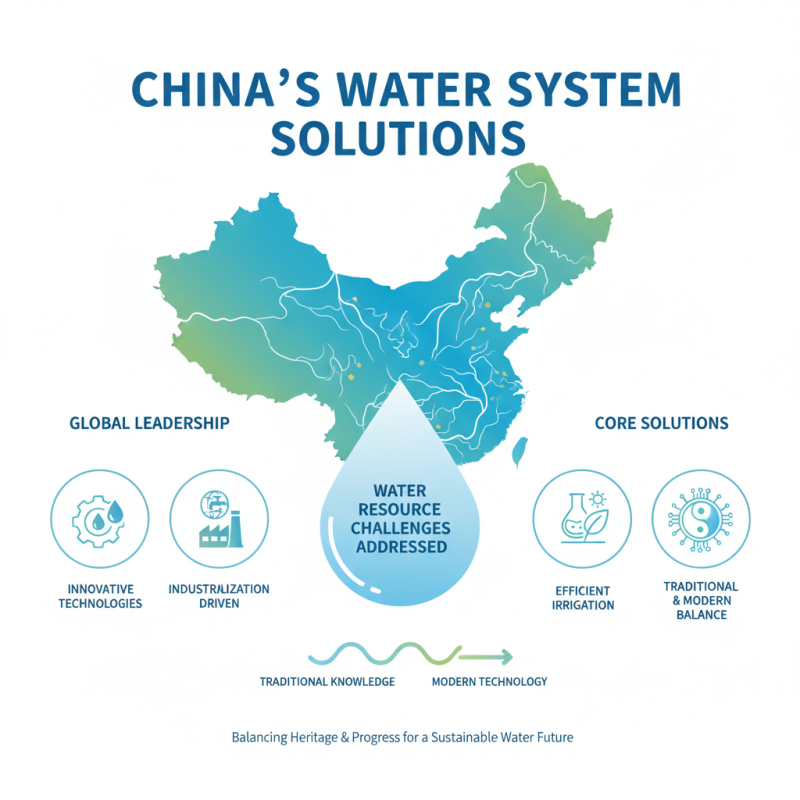
China has emerged as a key player in global water system solutions. The country’s rapid industrialization has led to innovative technologies aimed at addressing water resource challenges. From advanced filtration methods to efficient irrigation practices, China's expertise is noteworthy. Various regions in China have adapted solutions that balance traditional knowledge with modern technology.
One remarkable aspect is the implementation of smart water management systems. These systems utilize real-time data to optimize water usage. However, the transition hasn't been seamless. Some areas still face significant water quality issues. Safe drinking water remains a challenge in certain provinces. Moreover, inconsistent technology adoption can hinder progress.
Another consideration is the environmental impact of these water systems. While China has made strides, environmental degradation remains a concern. Over-extraction of groundwater continues to threaten sustainability. Regional disparities in water access also complicate the overall picture. Addressing these intricacies is crucial for enhancing reliability in water solutions globally.
Key Players in China's Water Technology Industry
China's water technology industry has seen significant advancements over the last decade. A report by the China Water Investment Association highlights that the nation's market size reached approximately $80 billion in 2022. This growth is driven by increasing urbanization, which demands innovative solutions for water management. Many key players are innovating in areas like wastewater treatment and desalination technology.
One prominent area is the development of smart water management systems. These systems use IoT technology to monitor water quality and optimize distribution. Reports indicate that smart water solutions can improve operational efficiency by 30%. Yet, the sector still faces challenges, such as data security concerns and integration with existing infrastructure. These hurdles require continuous research and adaptability from all stakeholders.
Investments in green technologies are crucial. A survey showed that around 60% of companies are prioritizing sustainable practices. However, there's a reflection point: the balance between rapid growth and sustainable practices remains delicate. This industry needs experts who can navigate the complexities while ensuring resource efficiency and environmental protection. The future of China's water technology will depend on addressing these issues effectively.
Innovative Technologies in Water Management and Treatment
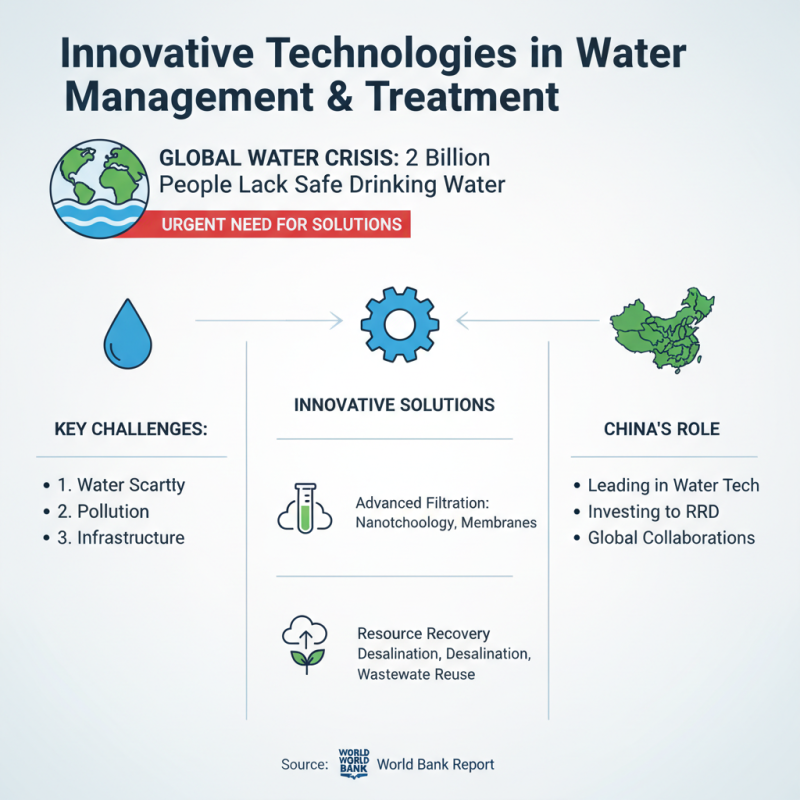
Innovative technologies in water management and treatment are critical for addressing global water issues. According to a recent report by the World Bank, over 2 billion people lack access to safe drinking water. This alarming statistic highlights the urgent need for effective solutions. China, as a leading player in water technology, is exploring various advanced methods to tackle this crisis.
One noteworthy development is the rise of smart water management systems. These systems utilize IoT (Internet of Things) technology to monitor water quality in real-time. Research indicates that such technologies can reduce water waste by up to 30%. Innovations like these not only enhance efficiency but also promote sustainable practices globally. However, challenges remain. Many regions still face infrastructure limitations that hinder the implementation of these technologies.
Another area of focus is wastewater treatment. The Chinese government has initiated several projects aimed at improving treatment facilities. A report from the UN suggests investment in these systems could lead to a 50% improvement in water quality by 2030. Despite these advancements, there are concerns regarding operation costs and maintenance. These factors often deter widespread adoption. Collaborating with global partners could help overcome these hurdles and foster a more reliable approach to water management.
Environmental Impact of Water Solutions in China
China is increasingly becoming a leader in water management solutions. These technologies aim to address urgent environmental concerns. However, the effectiveness of these solutions is often met with mixed reviews.
One critical area is the treatment of industrial wastewater. Many facilities have adopted advanced filtration systems. Yet, there are reports of insufficient maintenance practices. This leads to failures in pollutant removal. Moreover, the sheer volume of industrial waste poses a challenge. It often overwhelms existing systems, resulting in environmental damage.
Another concern is the use of desalination plants. While they provide fresh water in arid regions, their energy consumption raises questions. High energy use may lead to increased carbon emissions. The environmental trade-offs must be assessed carefully. Although water scarcity drives innovation, the impact on ecosystems cannot be ignored. Policymakers must balance technological advancements with sustainability goals.
Global Case Studies: China's Influence on International Water Systems
In recent years, China's strategies in water system management have gained prominence worldwide. Various countries are looking at these models to address water scarcity and improve efficiency. Projects in Africa and Southeast Asia illustrate how Chinese engineering contributes to local water infrastructures. These initiatives often blend modern technology with traditional practices.
However, not all case studies showcase success. Some projects face challenges related to local regulations and cultural adaptations. For instance, in certain regions, public acceptance can become an obstacle. There have been instances where infrastructure did not align well with local needs. These experiences highlight the importance of understanding context in global water systems.
It's crucial for international buyers to evaluate these solutions critically. Recognizing what works and what doesn't can shape future collaborations. While China's advancements in water management are noteworthy, learning from their missteps is equally essential for sustainable development.