China Best Cold Foil Printing Machine Suppliers for Sale
China’s cold-foil equipment market serves packaging, labels, and commercial print, where metallic effects must balance visual impact with production cost. Smithers’ report, The Future of Global Packaging to 2028, projected the global packaging market would exceed $1.2 trillion by 2028. That growth creates opportunity, but it does not guarantee demand for every machine or supplier.
A Cold Foil Printing Machine applies metallic foil through adhesive and pressure, often inline with a printing press. Its results depend on more than rated speed. Buyers should compare registration accuracy, supported web width, foil-waste control, curing requirements, and compatibility with their substrates. FSEA, the Foil & Specialty Effects Association, provides technical guidance on foil processes and finishing. Its resources can help buyers frame practical questions before requesting quotations. Ask suppliers for test samples using your actual stock. Small details matter.
This guide examines Chinese suppliers through specifications, production evidence, service support, and export experience. Request machine demonstrations, inspect sample quality, and confirm which components are included in the quoted configuration. A high-speed figure on a brochure may not reflect stable output on a demanding job. That deserves scrutiny. Supplier claims also need independent checking; polished factory photos are not proof of reliable after-sales service. The right choice depends on your press line, order mix, and operator skills. No single machine fits every plant. Our comparison aims to make that trade-off clearer, while acknowledging that published data rarely captures every real-world production condition.
What Cold Foil Printing Machines Are and How They Are Used
What Cold Foil Printing Machines Are and How They Are Used
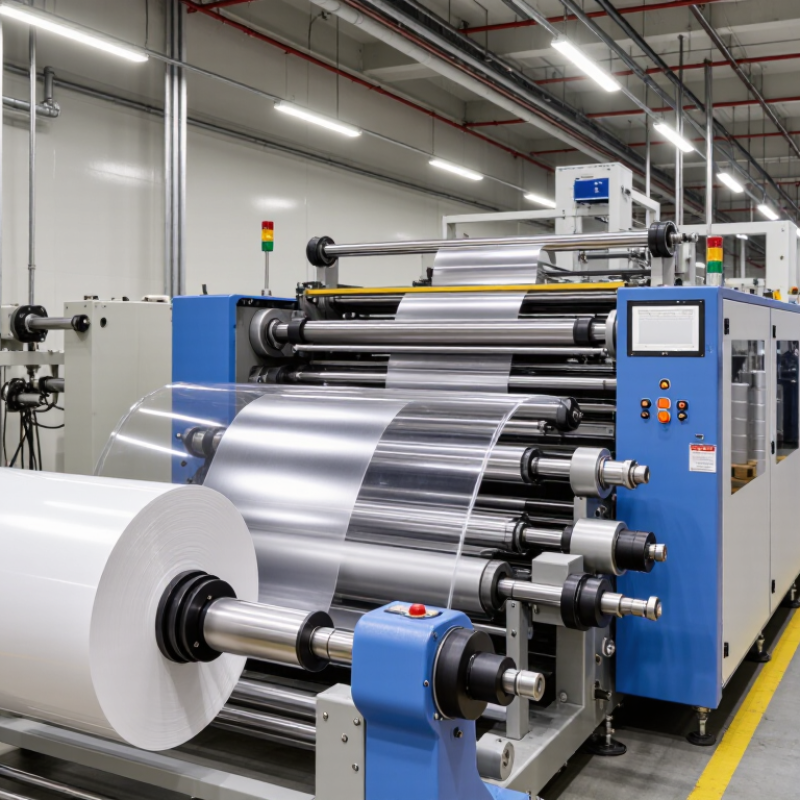
A cold foil printing machine transfers metallic foil without a heated stamping die. It applies adhesive to selected areas, brings a foil web into contact with the printed sheet, then separates the carrier film. The foil remains where adhesive has been applied. No heated die. This process is commonly integrated with offset or flexographic presses, making it useful for labels, cartons, and folding boxes.
On press, operators check foil tension, adhesive coverage, registration, and curing. A misaligned pattern can leave a thin, visible edge beside small text. Cold foil can also be overprinted with process colors, creating colored metallic effects. Yet reflective stock may reduce fine-detail legibility under store lighting. A practical test should include the actual substrate, ink, and viewing conditions.
Smithers’ The Future of Global Printing to 2028 valued the global print market at about $818.9 billion in 2022 and forecast $846 billion by 2027. This broad market figure does not measure cold-foil demand, but it illustrates the scale of print production where finishing choices matter. Setup waste is easy to underestimate. Teams should track usable sheets, foil consumption, and registration adjustments during trials, not just press speed.
How Cold Foil Printing Technology Works
China Best Cold Foil Printing Machine Suppliers for Sale
How Cold Foil Printing Technology Works
Cold foil printing transfers a metallic layer without a heated stamping die. A printing unit first applies adhesive to selected areas of the sheet or web. The foil carrier then passes through a nip, where pressure brings its metal layer into contact with the adhesive. UV light cures the adhesive, and the carrier peels away, leaving foil only on the printed pattern. A final ink layer can add color or soften the metallic effect. The process is quick, but registration matters: even slight sheet movement can blur fine edges.
Machine setup affects results. Operators adjust tension, nip pressure, adhesive coverage, and curing energy for each substrate. Paper, coated board, and film do not behave alike. One practical check is to inspect small type and solid areas after the carrier is removed. Poor adhesion may look like a foil defect, though the cause can be surface treatment or curing. It is not always obvious.
Cold foil can fit inline with conventional printing, reducing extra handling. Smithers’ 2023 assessment valued global print output at about US$818.5 billion in 2022, illustrating the scale of the wider print industry; it does not measure cold-foil demand specifically. For buyers comparing cold foil printing machines for sale, ask for a live trial using the intended stock, artwork, and production speed. A polished sample helps, but a stable run tells more.
Main Machine Types and Essential Features
Cold foil equipment is commonly sold as an inline module or a standalone unit. Inline systems apply foil during offset or flexographic printing, reducing transfers between processes. Sheet-fed machines often suit cartons and packaging; web-fed models are practical for labels and continuous rolls. Job size matters. A supplier should explain which configuration fits your materials and expected run lengths.
Look closely at registration control, foil tension, adhesive delivery, and pressure adjustment. These features affect edge definition and consistency, especially around small text or fine lines. Ask how the machine handles paper thickness changes and what checks operators perform during setup. A clear answer is more useful than a long feature list. Also compare changeover time, access to rollers, and routine cleaning needs. These details shape daily output.
Request a sample using your actual stock, adhesive, and artwork. Inspect foil coverage under steady lighting, including corners and narrow gaps. Speed claims alone can mislead; stable feeding and low waste matter just as much. No machine removes every setup variable. Even experienced teams may need several trials before settings hold across a full production run.
How to Evaluate Cold Foil Machine Suppliers in China
How to Evaluate Cold Foil Machine Suppliers in China
A supplier’s brochure can show speed, but a live test reveals registration drift, foil waste, and setup time. Ask for a trial using your actual substrate, artwork, and foil grade. Watch fine lines and solid areas under normal production conditions. Then inspect several sheets, not just the best one. Small details matter.
Market demand makes careful selection worthwhile. Smithers’ report The Future of Global Packaging to 2028 estimated the global packaging market at about US$1.17 trillion in 2023, with a forecast of US$1.42 trillion by 2028. This is not a cold-foil machine forecast, but it shows the scale of the packaging sector buyers serve. Ask suppliers to document achievable speed, registration tolerance, waste rate, and changeover time on your material. Request the test settings in writing.
Check the machine’s unwinding and rewinding stability, web-tension controls, adhesive application, and curing configuration. Ask for a maintenance schedule and a list of wear parts, with delivery times. Request references from users running comparable substrates and shift patterns. Verify operator training and remote-support arrangements before discussing price. I would still treat one successful demonstration cautiously; longer production runs can expose problems that a short test misses. Ask what happens when they do.
Purchasing, Installation, and After-Sales Support Options
China Best Cold Foil Printing Machine Suppliers for Sale
Purchasing a cold foil printing machine involves more than comparing prices. Ask suppliers for specifications that match your substrates, press speed, and typical job sizes. Request sample runs on your own paper or film when possible. Check foil waste, registration accuracy, and changeover time, not just the best-looking sample. Small details matter. A clear quotation should list the machine configuration, installation scope, training, spare parts, and delivery terms. If these items remain vague, costs may appear later.
Before installation, confirm the floor is level and the site has suitable power, compressed air, and working space. Ask who will connect the machine and verify foil tension, web alignment, and registration with your operators. Even a careful plan can miss a practical issue, such as limited room for roll handling. That takes time. After-sales support should include a named contact, troubleshooting guidance, and realistic service response times. Clarify which wear parts are stocked and how remote support works. Training matters too: operators should practice setup, cleaning, and routine checks using your actual materials. A supplier’s support is easiest to judge when responsibilities are written down before the machine arrives.