2026 Best Automatic Voltage Regulator for Global Buyers?
Choosing the 2026 best Automatic Voltage Regulator for global buyers is not simply a matter of comparing prices or advertised capacity. The right unit depends on local input voltage, frequency, load type, and the equipment it must protect. A small office running computers has different needs from a workshop with motors that draw a strong startup current. Details matter.
A useful comparison should examine rated power, input range, output stability, response time, and overload protection. Check whether the regulator is designed for single-phase or three-phase supply, and confirm that its frequency and connections match the installation. A label showing high capacity can be misleading if the rating assumes ideal conditions. A high price proves little.
Also consider the operating environment. Heat, dust, limited ventilation, and frequent voltage changes can affect performance and maintenance needs. Review the manufacturer’s technical data, warranty terms, and installation guidance, then verify compatibility with the connected equipment. Requirements and power conditions vary between markets, so a product suitable in one location may not suit another. Small differences count.
This guide compares key features buyers can assess before shortlisting models, including capacity, protection, efficiency, and practical usability. It also highlights questions worth asking suppliers, such as how ratings are measured and what support is available. No single model fits every buyer. The aim is a clearer, more careful decision—not a universal winner.
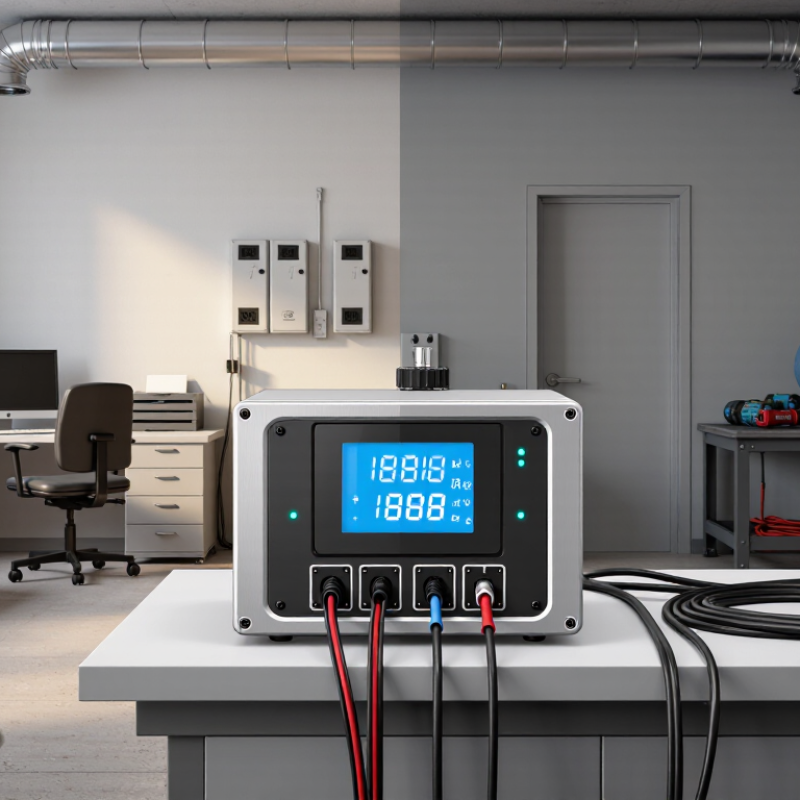
What Is an Automatic Voltage Regulator and What Does It Do?
An automatic voltage regulator (AVR) monitors incoming voltage and adjusts it when it moves outside a set range. In everyday use, it helps provide steadier power to connected equipment. A workshop lamp may dim when a motor starts; an AVR can reduce some voltage changes, depending on its design and capacity. It does not generate electricity. Nor does it replace proper grounding or every other form of power protection.
Inside, an AVR senses voltage and adjusts the output using electronic controls or a transformer-based mechanism. Some designs respond quickly; others may make small, audible mechanical movements. Suitability depends on the load, input-voltage range, frequency, and required output. Check the equipment nameplate, not just the advertised wattage. Motors and compressors can draw much more current during startup. That detail is easy to miss.
An AVR can help where supply voltage fluctuates, but it cannot fix every power problem. It may not protect against outages, lightning, or distorted waveforms unless those features are specifically included. Heat, dust, ventilation, and cable size also affect reliability. Measure voltage over time if possible; a single reading can mislead. I would treat any sizing estimate as provisional until the actual load is known. There is room for doubt.
2026 Best Automatic Voltage Regulator for Global Buyers?
What Is an Automatic Voltage Regulator and What Does It Do?
An automatic voltage regulator (AVR) helps keep equipment supply voltage within a suitable range when input voltage fluctuates. This chart shows common nominal mains voltages in selected markets—not AVR output settings or guaranteed local supply values. Check local electrical standards and equipment specifications before choosing an AVR.
How Does an Automatic Voltage Regulator Stabilize Power?
An automatic voltage regulator (AVR) keeps supply voltage near a chosen level as input conditions change. It continuously measures the incoming or output voltage and compares it with a set point. When the reading drifts, the regulator adjusts the electrical path to compensate.
In a transformer-based unit, this may mean switching winding taps. A servo-controlled model can move a contact across a transformer winding, while electronic designs use fast switching components. For example, if a workshop supply sags when a motor starts, an AVR can raise its output voltage within its rated range. The exact response depends on the design and the size of the voltage change. Small delays are normal.
The mechanism is useful, but not magic. An AVR cannot provide power during an outage, and it may not correct frequency changes or distorted waveforms. Check the unit’s input range, output capacity, response time, and overload protection against the equipment it will serve. A refrigerator and a sensitive measurement device may need different protection. Undersizing is an easy mistake; a regulator working near its limit can overheat or fail to hold voltage steadily. Judge performance by specifications and suitable testing, not by appearance alone.
Which Types of Automatic Voltage Regulators Are Available?
Which Types of Automatic Voltage Regulators Are Available?
Automatic voltage regulators (AVRs) commonly use relay, servo-motor, static, or ferroresonant designs. Relay models switch transformer taps in steps. They are often economical, but output correction may be less precise. Servo units move a motor-driven brush along a winding for smoother adjustment. They suit equipment needing closer voltage control, though moving parts require maintenance. Static AVRs use power electronics and respond quickly. Speed matters. Ferroresonant units can provide robust isolation, but their size, heat, and waveform effects may limit use with sensitive loads.
The right type depends on the equipment, not just the advertised accuracy. Check input-voltage range, output tolerance, rated kVA, phase configuration, frequency, and overload capacity. The IEA’s Electricity 2024 report forecasts average global electricity-demand growth of 3.4% per year from 2024 through 2026. That forecast is not an AVR sales estimate, but it highlights why stable power deserves attention across expanding electrical systems. No type wins everywhere.
Tips: Match the AVR to the load’s starting current, not only its running wattage. For example, a motor may draw several times its normal current during startup. Confirm the supplier’s test conditions and request measured correction time. A neat specification sheet is helpful, but real site voltage can still be messy.
What Specifications Matter When Comparing AVRs in 2026?
2026 Best Automatic Voltage Regulator for Global Buyers?
What Specifications Matter When Comparing AVRs in 2026?
Choosing an automatic voltage regulator starts with the supply conditions at the installation site. Check the actual input-voltage range, frequency, and whether the system is single-phase or three-phase. Compare these figures with the equipment’s required output, not just the nominal voltage printed on its label. A workshop may experience deep evening dips, while a remote site may face frequent surges. Measure if possible. Guesswork can leave an AVR undersized.
Next, compare rated capacity in kVA and the regulator’s accuracy under changing loads. A unit rated for steady operation may struggle when motors start or equipment draws brief peaks. Check response time, overload behavior, and short-circuit protection in the technical documentation. Confirm compatibility with the connected load, including sensitive electronics or motors. Noise, heat, and installation space matter too. They are easy to overlook. I would also question specifications that omit test conditions; a precise number is less useful without context.
Tips: Leave capacity headroom for startup loads, and verify the ambient-temperature range for the installation room. Ask for test reports and clear wiring diagrams. A quick site assessment may prevent a costly mismatch.
How Can Global Buyers Choose an AVR for Their Region and Equipment?
2026 Best Automatic Voltage Regulator for Global Buyers?
For global buyers, choosing an AVR starts with the local power supply, not the product label. Confirm the site’s nominal voltage, frequency, phase, and typical voltage fluctuations. A 230-volt, 50-hertz supply is not interchangeable with every 120-volt, 60-hertz setup. Check the equipment nameplate as well. Some devices accept a wide input range; others require tighter regulation.
Match the AVR’s continuous capacity to the actual load, allowing extra capacity for motor startup and brief surges. A refrigerator or pump may draw much more current when starting than while running. Small detail, big consequence. Check whether capacity is listed in watts or volt-amperes, and compare ratings carefully. Consider heat, dust, ventilation, and enclosure conditions; a unit in a hot workshop may need more breathing room. Confirm its input range and output tolerance against the equipment requirements. An AVR stabilizes voltage, but does not necessarily correct frequency or replace surge protection. That distinction is easy to miss. For fixed or three-phase installations, review the instructions with a qualified technician. I would also verify measured site conditions, since average readings can hide brief, sharp voltage dips.